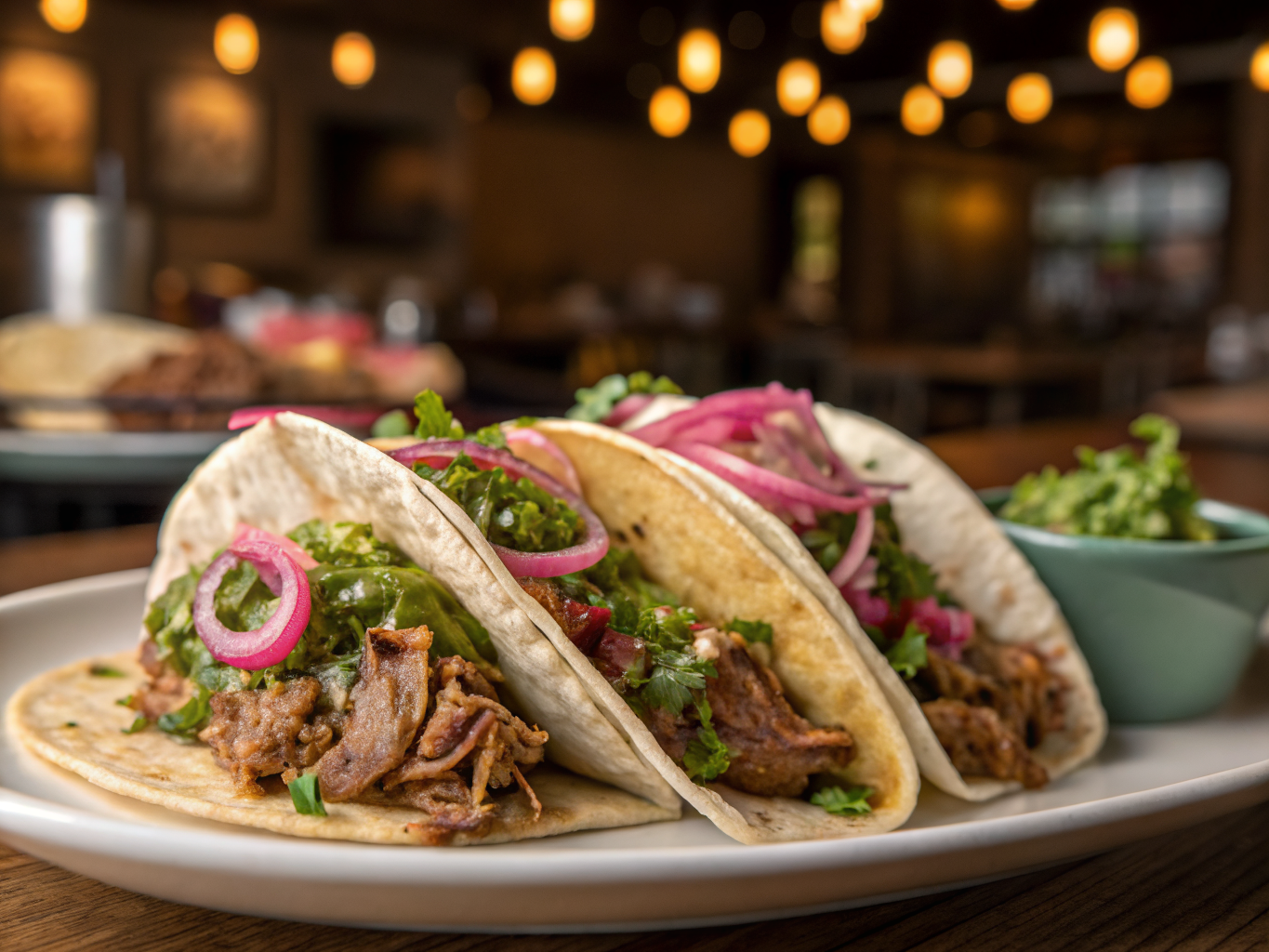
There is a moment in every busy week when dinner feels impossible—until you remember the container of golden, crisped pork waiting in the fridge. Carnitas, Mexico’s gift of slow-braised pork shoulder, is not just a taco filling; it is a meal-prep strategy disguised as a fiesta. The dish hails from Michoacán, where pork is traditionally simmered in lard until tender, then raised to a crisp. Our version uses water, fresh orange juice, garlic, bay leaves, and oregano to build deep flavor without a vat of fat. The result is fork-tender meat that broils into shattering edges, ready to pile onto warm tortillas with bright salsa verde and tangy pickled onions. But the real magic happens when you make it ahead: a single batch yields multiple meals, each one balanced with protein, vegetables, and complex carbohydrates. In the next few minutes, you will learn how to batch-cook carnitas, store each component for peak freshness, and plan a week of dinners that feel anything but repetitive. This is authentic Mexican street food, reengineered for your real life—no passport required, just a little patience and a good storage plan.
Why Carnitas Is the Ultimate Meal-Prep Protein
Carnitas is built for batch cooking. A boneless pork shoulder, cut into large chunks, benefits from a long, gentle simmer because its collagen-rich muscle fibers break down into gelatin, creating that signature succulence. According to food science, collagen begins to convert to gelatin around 160°F (71°C), but the process accelerates between 180°F and 205°F—precisely the range you reach during a two-hour braise. This chemistry means carnitas actually improves after a day in the fridge, as the meat absorbs more of the citrusy, garlicky broth. A typical 4-pound shoulder yields about 10 to 12 generous servings, enough for four weeknight dinners for two or a small taco party. And because the meat is cooked in water and orange juice rather than exclusively lard, it is leaner than traditional versions while still delivering rich flavor. Portion it into 4-ounce servings—each provides roughly 22 grams of protein—and you have a building block for tacos, bowls, salads, or even breakfast hash. The key is to broil only what you plan to eat, keeping the rest moist in its juices.
The Building Blocks: Salsa Verde and Pickled Onions
A great carnitas taco depends on contrast, and that comes from the condiments. Salsa verde, made from husked tomatillos, serrano chiles, and cilantro, brings a bright, acidic punch that cuts through the pork’s richness. Tomatillos are naturally high in pectin, which gives the salsa a subtle body without thickening agents. When batch-cooking, roast the tomatillos and chiles under the broiler until blistered—this takes about 8 minutes—then blend with cilantro, onion, and a pinch of salt. The salsa keeps for up to five days in the fridge, and its flavor actually deepens overnight. Pickled red onions are even simpler: thinly slice a red onion, cover with a 1:1 mixture of white vinegar and water, add a teaspoon of salt and sugar, and let sit at least 30 minutes. The acid turns the onions a vivid pink and mellows their bite. Make a jar on Sunday and you have a week’s worth of tangy crunch. Both condiments are low in calories but high in flavor, making them ideal for a balanced diet—and they take less than 20 minutes combined.
The Michoacán Roots of a Street-Food Icon
Carnitas—literally “little meats”—originated in the state of Michoacán, Mexico, particularly in the town of Quiroga, where family-run carnitas stands have operated for generations. Traditionally, the pork is cooked in a copper pot called a cazo, simmered in its own fat with orange, garlic, and herbs until the liquid evaporates and the meat fries in the rendered lard. This technique dates back to the 16th century, when Spanish colonists introduced pigs to the region and indigenous cooks adapted them to local ingredients like chiles and herbs. In Michoacán, carnitas are a weekend ritual, often served at markets and family gatherings, and the meat is prized for its balance of crispy exterior and juicy interior. While our home-kitchen version uses water and orange juice to reduce fat, it honors the same flavor profile: citrus, garlic, and earthy oregano. Serving carnitas on corn tortillas with salsa verde and pickled onions is a nod to the street tacos of Mexico City, where vendors pile them high for a few pesos. Understanding this history adds depth to every bite—and reminds us that meal prep can be a way to preserve culinary tradition.
Pro Tip: Broil in Small Batches for Maximum Crisp
The most common mistake home cooks make with carnitas is broiling the entire batch at once. If you crowd the pan, the meat steams instead of crisps, and you lose that iconic contrast. Instead, portion the shredded pork onto a foil-lined baking sheet in a single layer, leaving space between pieces. Set your broiler to high and place the rack about 6 inches from the heat. Broil for 3 to 5 minutes, watching closely—the edges should turn deep golden brown and crackly, but not burnt. For an even crispier texture, drizzle a teaspoon of the reserved braising liquid over the meat before broiling; the sugars from the orange juice caramelize and accelerate browning. If you are meal-prepping, broil only the portion you will eat that night, and store the rest in its juices. When reheating, spread the cold pork on a sheet pan and broil for 2 to 3 minutes—it will crisp up beautifully without drying out. This small-batch approach takes just a few extra minutes but transforms the texture from good to unforgettable.
How Carnitas Fits a Balanced, Realistic Diet
In an era of restrictive diets and complicated meal plans, carnitas offers a refreshingly practical approach to balanced eating. A 4-ounce serving of this pork provides about 22 grams of protein, 10 grams of fat, and key nutrients like zinc, iron, and B vitamins—all for roughly 200 calories. Paired with two corn tortillas (about 100 calories), a generous spoonful of salsa verde (15 calories), and pickled onions (5 calories), a satisfying taco meal lands around 350 calories. Add a side of quick-pickled carrots or a simple cabbage slaw, and you have a fiber-rich, colorful plate. The batch-cooking method also reduces reliance on processed foods: when you have ready-to-eat carnitas in the fridge, you are less likely to order takeout. Moreover, the dish is naturally gluten-free if you use corn tortillas, and the fat content can be adjusted by skimming the braising liquid. Nutritionists often recommend including protein at every meal to support satiety, and carnitas delivers that in a flavorful, culturally rich package. This is not diet food—it is real food that happens to fit your life.
Frequently Asked Questions
Q: How long does cooked carnitas last in the fridge? A: Store carnitas in an airtight container with a few tablespoons of braising liquid for up to four days. Keep the salsa verde and pickled onions in separate containers; the salsa lasts five days, and the onions up to two weeks. Q: Can I freeze carnitas? A: Yes. Freeze cooled pork in portion-sized bags with some liquid for up to three months. Thaw overnight in the fridge, then reheat under the broiler for crisp edges. Q: What is the best way to reheat carnitas without drying it out? A: Sprinkle a spoonful of water or reserved broth over the meat, cover loosely with foil, and warm in a 350°F oven for 10 minutes. Then broil uncovered for 2 to 3 minutes to restore crispness.
Key Takeaways
Carnitas is more than a recipe; it is a meal-prep ally. Start by braising a 4-pound pork shoulder with orange juice, garlic, bay leaves, and oregano—this yields 10 to 12 servings that improve after a day in the fridge. Portion the meat into 4-ounce servings and store with braising liquid to keep it moist. Make salsa verde and pickled onions on the weekend; both are quick, inexpensive, and last for days. Broil only what you will eat to achieve that crispy-edged texture, and reheat leftovers the same way. Finally, build balanced plates with corn tortillas and a vegetable side, knowing each taco delivers protein and satisfaction for about 350 calories. With these strategies, you can enjoy authentic Mexican flavors any night of the week—no passport, no stress, just good food.
Try these recipes on DishIndex
Explore carnitas tacos recipes and more