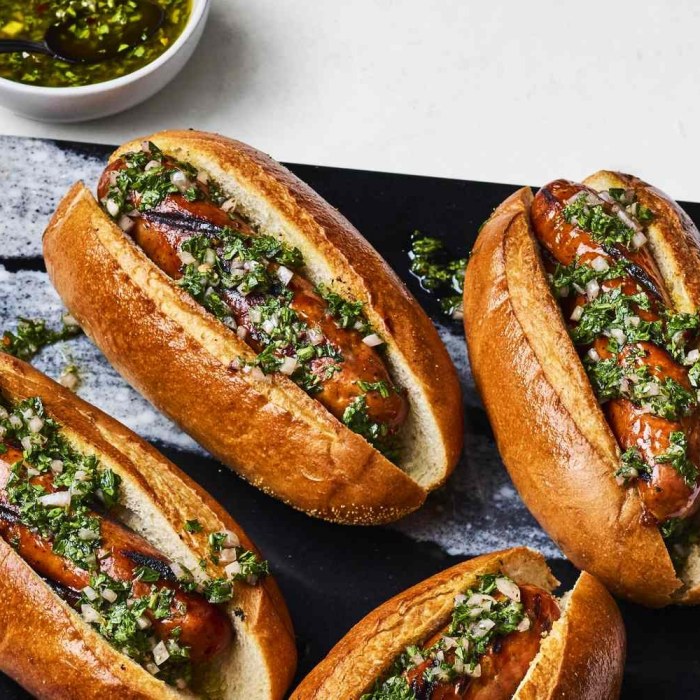
The smell of sizzling chorizo drifting from a parrilla is Argentina's unofficial welcome mat. Choripán—a contraction of chorizo and pan—is the country's quintessential street food, sold at roadside stands and football matches alike. But behind its simple facade lies a world of technique and tradition. That first bite of smoky, juicy sausage nestled in crusty bread and slathered with tangy chimichurri is a revelation. Yet many home cooks struggle to replicate it, ending up with dry, flare-up-scorched sausages or soggy bread. The secret lies not in complex ingredients but in mastering a few key techniques and understanding the science of grilling. In this article, I'll share chef-level insights, from pricking the chorizo to building the perfect chimichurri, so you can avoid common pitfalls and achieve Choripán perfection every time. Whether you're a seasoned griller or a curious novice, these tips will transport your taste buds straight to the streets of Buenos Aires.
The Art of Grilling Chorizo: Science and Technique
Grilling chorizo is a delicate dance between rendering fat and avoiding flare-ups. The sausage's high fat content is both a blessing and a curse: it bastes the meat from within, keeping it juicy, but when fat drips onto hot coals, it causes flare-ups that can char the exterior before the inside is cooked. The solution? Prick the chorizo with a fork before grilling. This allows excess fat to escape gradually, reducing flare-ups and ensuring even cooking. But don't overdo it—excessive pricking can dry out the sausage. Aim for 4-5 pricks per link. Another critical factor is heat management. You want a medium-hot fire, around 350°F to 400°F (175°C to 200°C). Too hot, and the casing bursts; too cool, and the chorizo becomes greasy. Grill for 10-15 minutes, turning every 2-3 minutes to build an even crust. The internal temperature should reach 160°F (71°C) for safe consumption. This gentle rendering process also develops flavor through the Maillard reaction, creating that irresistible browned exterior.
The Bread Matters: Choosing and Toasting Your Roll
Choripán is only as good as its bread. The ideal roll is crusty on the outside, soft and fluffy on the inside—a classic French roll or a rustic baguette works well. Avoid soft burger buns; they lack the structural integrity to hold up to juicy chorizo and chimichurri. Toasting is non-negotiable: it creates a moisture barrier that prevents sogginess and adds a nutty flavor. Slice the rolls open and toast them cut-side down on the grill for 1-2 minutes, until golden and crisp. For an extra layer of flavor, rub the toasted surface with a cut garlic clove while still warm. This simple step infuses the bread with garlicky aroma and a subtle bite. If you're using a gas grill, you can toast the bread directly on the grates over medium heat. The goal is a crisp exterior that shatters slightly when you bite into it, contrasting with the tender chorizo.
Chimichurri: Argentina's Liquid Gold
No Choripán is complete without chimichurri, Argentina's beloved condiment. This vibrant sauce of parsley, garlic, oregano, vinegar, and olive oil is more than an accompaniment—it's a cultural staple. Its origins are debated, but one popular legend credits a 19th-century Irishman named Jimmy Curry, who mixed herbs and vinegar to tenderize meat. The name may derive from 'che mi curry' (give me curry), though this is likely apocryphal. Regardless, chimichurri's magic lies in its balance of acidity, herbaceousness, and richness. For authentic flavor, use flat-leaf parsley and fresh oregano if possible. Let the sauce rest for at least 30 minutes before serving to allow the flavors to meld. A common mistake is over-blending; chimichurri should be finely chopped, not pureed, to retain texture. Drizzle it generously over the chorizo—the vinegar cuts through the fat, while the herbs add freshness. It's the perfect counterpoint to the smoky sausage.
Pro Tip: The Two-Zone Fire for Flawless Choripán
Even experienced grillers often overlook the two-zone fire setup, which is a game-changer for Choripán. By arranging your coals on one side of the grill and leaving the other side empty, you create a hot zone for searing and a cooler zone for gentle cooking. Start the chorizo over the hot zone to develop color and char, then move it to the cooler side to finish cooking through without burning. This technique gives you complete control over doneness and prevents flare-ups. For gas grills, simply turn off one burner. Another pro tip: keep a spray bottle of water handy to tame any flare-ups instantly. And never pierce the chorizo after it's been on the grill—you'll lose precious juices. Finally, let the chorizo rest for 5 minutes before slicing; this allows the juices to redistribute, ensuring every bite is succulent.
The Cultural Sizzle: Choripán's Place in Argentine Identity
Choripán is more than food; it's a cultural icon. It's the centerpiece of the asado, Argentina's ritualistic barbecue, where families and friends gather for hours of eating and conversation. The sandwich is also a staple at street stalls and food trucks, particularly in Buenos Aires, where vendors hawk 'choripán' at all hours. Its origins trace back to the 19th century, when gauchos (cowboys) would grill fresh chorizo over open fires and sandwich it in bread for a quick, portable meal. Today, it's a symbol of Argentine resilience and hospitality. During economic crises, choripán remained affordable and nourishing, cementing its status as a people's food. The dish even has its own holiday: National Choripán Day is celebrated on January 18th. When you make Choripán at home, you're not just cooking—you're participating in a tradition that spans generations and continents.
Frequently Asked Questions
Q: Can I use store-bought chorizo for Choripán? A: Absolutely. Look for fresh, raw chorizo with a high fat content (at least 30%). Avoid cured or dried chorizo, which won't grill the same way. Q: How do I prevent the bread from getting soggy? A: Toast the rolls cut-side down on the grill until crisp. This creates a barrier against moisture. Also, avoid over-saucing; let diners add chimichurri to taste. Q: What's the best way to reheat leftover Choripán? A: Reheat the chorizo separately in a skillet over medium heat, and toast the bread fresh. Assembling just before eating ensures the best texture.
Key Takeaways
To achieve Choripán perfection, remember these key lessons: First, prick the chorizo 4-5 times to release excess fat and prevent flare-ups. Second, use a two-zone fire for controlled cooking. Third, always toast the bread to avoid sogginess. Fourth, make chimichurri with finely chopped herbs and let it rest to meld flavors. Finally, rest the chorizo before slicing to retain juices. With these techniques, you'll elevate a simple sandwich into a culinary triumph. So fire up the grill, gather your friends, and enjoy the taste of Argentina.
Try these recipes on DishIndex
Explore Choripán recipe recipes and more