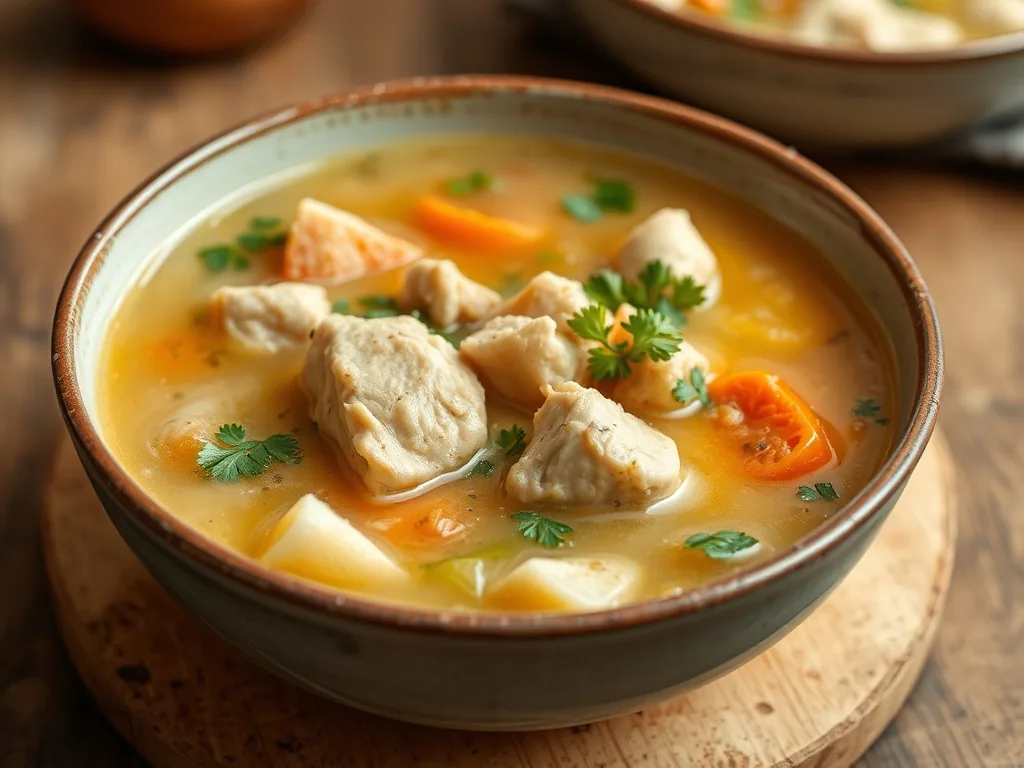
Imagine a bowl of soup that doesn't just warm you up but actively calms the storm in your gut. For the estimated 10 to 15 percent of the population living with irritable bowel syndrome, and the growing number managing small intestinal bacterial overgrowth, or SIBO, mealtime can feel like a minefield. Enter the low FODMAP chicken soup—a dish that proves healing and flavor are not mutually exclusive. FODMAPs, or fermentable oligosaccharides, disaccharides, monosaccharides, and polyols, are short-chain carbohydrates that can trigger bloating, gas, and abdominal pain in sensitive individuals. This soup sidesteps those triggers by using only low-FODMAP ingredients: lean chicken breast, carrots, celery, zucchini, and the green parts of scallions. But here's what makes it truly remarkable: it's not a compromise. Each ingredient was chosen not just for what it avoids, but for what it contributes—protein for gut repair, fiber for microbiome balance, and anti-inflammatory compounds for soothing irritation. In the next few minutes, you'll discover the specific nutritional mechanisms that make this soup a clinical ally, from the amino acid profile of chicken breast to the polyphenols in celery, and why this humble bowl deserves a place in your weekly rotation, whether you're managing a condition or simply eating for optimal digestive health.
The Macronutrient Blueprint of a Healing Bowl
A single serving of this soup delivers roughly 25 grams of high-quality protein, primarily from diced chicken breast, which provides all nine essential amino acids in a highly bioavailable form. Protein is critical for repairing the intestinal lining, a process that becomes especially important for those with SIBO, where bacterial overgrowth can damage the brush border of the small intestine. The soup is also remarkably low in fat—about 5 grams per bowl—thanks to the use of skinless breast meat and low-sodium broth, making it gentle on digestion while still satisfying. Carbohydrates come almost entirely from the vegetables, totaling around 12 grams, with 3 grams of fiber. That fiber is predominantly soluble, from carrots and zucchini, which ferments slowly and supports beneficial gut bacteria without triggering the rapid gas production associated with high-FODMAP foods. The total calorie count hovers around 180 per serving, a light but nutrient-dense profile that won't overwhelm a sensitive system. What's more, the soup's hydration base—broth and water-rich vegetables—helps maintain electrolyte balance, which is often disrupted during flare-ups. This is not just a meal; it's a precisely calibrated macronutrient delivery system for a compromised gut.
Carrots, Celery, and Zucchini: The Low-FODMAP Vegetable Trio
Carrots are a low-FODMAP powerhouse, but their role here goes beyond filler. They are rich in beta-carotene, which the body converts to vitamin A, a nutrient essential for maintaining the integrity of the intestinal mucosal barrier. A half-cup of sliced carrots provides over 100 percent of the daily value for vitamin A, and research suggests that vitamin A deficiency can exacerbate gut inflammation. Celery contributes a unique compound called apigenin, a flavonoid that has been shown in animal studies to reduce intestinal inflammation by inhibiting certain inflammatory pathways. It also provides potassium, which helps regulate fluid balance. Zucchini, meanwhile, is 95 percent water and contains only trace amounts of FODMAPs, making it an ideal bulking agent that adds texture without risk. It also supplies a modest amount of vitamin C and manganese, an antioxidant mineral involved in collagen synthesis, which supports the structural integrity of the gut lining. Together, these three vegetables create a fiber profile that is gentle yet beneficial—a stark contrast to the high-FODMAP onions and garlic that typically flavor soups. Their combined effect is a broth that is both soothing and subtly sweet, proving that low-FODMAP cooking can be deeply flavorful.
From Folk Remedy to Clinical Nutrition: The Evolution of Chicken Soup
Chicken soup has been a staple of healing traditions for centuries, from the ancient Greek physician Galen prescribing it for respiratory ailments to the 12th-century Jewish philosopher Maimonides recommending it for asthma. But its modern clinical relevance took a new turn with the rise of the low-FODMAP diet in the early 2000s, developed by researchers at Monash University in Australia. As gastroenterologists began prescribing the diet for IBS and SIBO, home cooks and dietitians adapted traditional recipes to meet the protocol. The low-FODMAP chicken soup emerged as a foundational recipe—a blank canvas that could be customized with allowed herbs and vegetables. Unlike the classic version, which relies on onions and garlic for depth, this adaptation uses the green tops of scallions, which are low in fructans, to provide a mild allium note. The result is a soup that honors the comforting history of the dish while aligning with evidence-based dietary therapy. It represents a broader shift in culinary medicine: the recognition that traditional foods can be modified to serve specific therapeutic needs without losing their soul.
Pro Tip: Bloom Your Scallion Greens for Deeper Flavor
Most home cooks toss the chopped green onions into the soup at the end for a fresh garnish, but you can extract far more flavor by blooming them in a teaspoon of olive oil at the start. Here's the technique: heat the oil over medium heat, add the white and light green parts of the scallions (if you're strictly low-FODMAP, use only the green parts, but a small amount of the white part is often tolerated; for SIBO, stick to green), and sauté for 30 seconds until fragrant. This step releases fat-soluble flavor compounds that water alone cannot extract, creating a base that tastes surprisingly rich without any high-FODMAP ingredients. Then add your broth and vegetables. The result is a soup with a savory depth that mimics the umami of onion without the fermentable carbohydrates. This simple step is the difference between a bland broth and a bowl that feels restaurant-worthy. It's a small investment of time that yields a significant flavor return—exactly the kind of technique that makes therapeutic cooking sustainable.
Why This Soup Fits the Future of Functional Food
As personalized nutrition gains momentum, dishes like this low-FODMAP chicken soup exemplify the trend toward food as medicine. The global market for digestive health products is projected to exceed 50 billion dollars by 2025, and consumers are increasingly seeking foods that address specific conditions rather than generic wellness claims. This soup aligns with that demand: it's a whole-food, minimally processed recipe that is naturally gluten-free, dairy-free, and low in added sugars. Moreover, it supports the growing body of research on the gut-brain axis, highlighting how gentle, nutrient-dense meals can reduce the physical and psychological burden of digestive disorders. Chefs and dietitians are collaborating more than ever to create recipes that are both culinarily satisfying and clinically sound. This soup is a case study in that collaboration—a dish that doesn't ask you to sacrifice pleasure for health. It's a template for how we might all eat in the future: with intention, with science, and with a deep respect for the body's complexity.
Frequently Asked Questions
Q: Can I use chicken thighs instead of breast? A: Yes, but thighs contain more fat, which may slow digestion and trigger symptoms in some people. If you tolerate fat well, skinless thighs work, but breast is leaner and generally better for a sensitive gut. Q: Is this soup suitable for the elimination phase of the low-FODMAP diet? A: Absolutely—every ingredient is low-FODMAP. Just ensure your broth contains no onion or garlic, and stick to the green parts of scallions. Q: How long does it keep in the fridge? A: Store it in an airtight container for up to four days. The flavors deepen overnight, and it freezes well for up to three months, making it a convenient batch-cook option.
Key Takeaways
This low-FODMAP chicken soup is a masterclass in therapeutic cooking, and you can apply its lessons immediately. First, prioritize lean protein like chicken breast to support intestinal repair without adding digestive burden. Second, choose vegetables for their fiber quality, not just their FODMAP status—carrots, celery, and zucchini offer soluble fiber and anti-inflammatory compounds. Third, use scallion greens and a quick bloom in olive oil to build flavor without onions or garlic. Fourth, keep your broth low-sodium and free of hidden FODMAPs, reading labels carefully. Finally, remember that this soup is a template: once you master the base, you can experiment with low-FODMAP herbs like thyme, rosemary, and parsley to keep your meals varied and satisfying. Whether you're managing SIBO, IBS, or simply seeking a gentle, nourishing meal, this bowl delivers.
Try these recipes on DishIndex
Explore low FODMAP chicken soup recipes and more