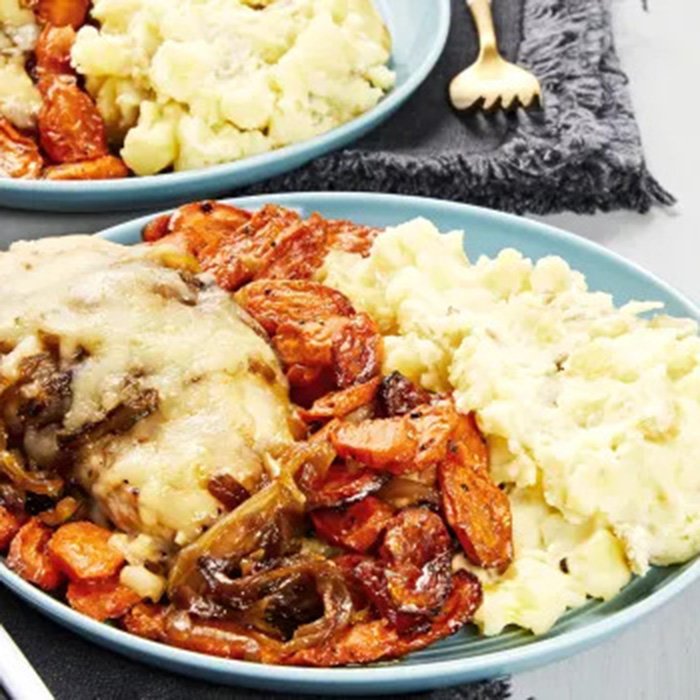
Imagine a dish that tastes like a Sunday supper at a Parisian bistro but fits neatly into a weeknight dinner slot. French onion chicken with roasted carrots and mashed potatoes is that rare unicorn: indulgent yet nourishing, simple yet sophisticated. The chicken, seared until golden and then simmered in a deeply caramelized onion sauce with a splash of balsamic, delivers a sweet-tart richness that clings to every forkful. Alongside, creamy mashed potatoes and earthy roasted carrots round out the plate with contrasting textures and flavors. But here's what might surprise you: this meal is also a nutritional tour de force. From the high-quality protein in chicken breasts to the beta-carotene in carrots and the resistant starch in potatoes, each component brings research-backed benefits to the table. In this article, we'll unpack the macros, vitamins, and health science behind this dish, showing you why it deserves a permanent spot in your rotation—not just for its comfort-food appeal, but for its genuine nutritional merit. Get ready to see your dinner plate in a whole new light.
The Macro Profile: A Balanced Plate by Design
Let's start with the numbers. A typical serving of this dish—one chicken breast with sauce, a cup of mashed potatoes, and a cup of roasted carrots—delivers roughly 550-600 calories, 45 grams of protein, 50 grams of carbohydrates, and 20 grams of fat. That's a macronutrient split that would make any sports nutritionist smile. The protein comes primarily from the chicken breast, which is famously lean: a 6-ounce portion provides about 52 grams of protein and just 3 grams of fat. This high protein content supports muscle repair and satiety, meaning you'll feel full longer. The carbohydrates are split between the potatoes (mostly starch) and carrots (fiber and natural sugars), offering a steady release of energy. The fat comes from the olive oil or butter used in cooking, plus a modest amount from the mozzarella. What's more, the combination of protein and fiber-rich vegetables helps moderate the glycemic impact of the meal, preventing the blood sugar spike-and-crash that can follow a plate of simple carbs. In short, this is a meal that fuels you without weighing you down.
Caramelized Onions: The Health-Promoting Allium
The star of the sauce is the humble onion, transformed through slow caramelization into a sweet, jammy delight. But that process does more than deepen flavor—it also preserves and even enhances certain beneficial compounds. Onions are rich in organosulfur compounds like allicin, which research has linked to reduced inflammation and improved cardiovascular health. They're also a source of quercetin, a flavonoid antioxidant that studies suggest may help lower blood pressure and reduce the risk of chronic diseases. Interestingly, the caramelization process—which involves heating onions until their sugars brown—actually concentrates these compounds by removing water. A 2019 study in the Journal of Agricultural and Food Chemistry found that caramelized onions retained significant antioxidant activity, with some measures even increasing. The balsamic vinegar added to the sauce brings its own benefits: acetic acid has been shown to improve glycemic response when consumed with carbohydrates, and the polyphenols in balsamic contribute additional antioxidant power. So while the sauce tastes indulgent, it's quietly working in your favor, supporting everything from heart health to blood sugar regulation.
Roasted Carrots: Beta-Carotene and Beyond
Carrots are perhaps the most recognizable health food on the plate, and for good reason. Their vibrant orange hue comes from beta-carotene, a provitamin A carotenoid that the body converts into vitamin A. A single cup of roasted carrots provides over 400% of your daily vitamin A needs—essential for vision, immune function, and skin health. But beta-carotene is just the beginning. Carrots also contain lutein and zeaxanthin, carotenoids that accumulate in the retina and help protect against age-related macular degeneration. Roasting, as opposed to boiling, actually improves the bioavailability of these fat-soluble compounds because it breaks down cell walls and the addition of oil helps absorption. Research from the Journal of Food Science has shown that roasted carrots retain more nutrients than boiled ones, as water-soluble vitamins like vitamin C are less likely to leach out. The earthy sweetness of roasted carrots also pairs beautifully with the rich onion sauce, creating a balanced flavor profile that doesn't rely on excess salt or sugar. With about 4 grams of fiber per cup, carrots also contribute to digestive health and satiety.
Pro Tip: Caramelize Onions with a Pinch of Baking Soda
Here's a trick that professional chefs use but home cooks rarely hear about: add a small pinch of baking soda (about 1/4 teaspoon per pound of onions) to the pan when caramelizing. This raises the pH, which accelerates the Maillard reaction—the chemical reaction between amino acids and reducing sugars that gives browned food its distinctive flavor. The result? Onions that caramelize in about 15 minutes instead of 30, without any added sugar. But there's a nutritional bonus, too: faster cooking preserves more of the heat-sensitive vitamins, like vitamin C, that would otherwise degrade during long cooking. Just be careful not to overdo it—too much baking soda can give the onions a soapy taste. Use a light hand, and stir frequently to ensure even browning. This technique also works wonders for caramelized onions destined for tarts, soups, or burgers. It's a small change that yields a big payoff in both flavor and nutrition. And while you're at it, deglaze the pan with a splash of beef stock to lift those browned bits—that's where the deepest flavor lives.
Potatoes: The Misunderstood Superfood
Potatoes have suffered a PR problem in recent years, often lumped in with refined grains and sugary snacks. But the science tells a different story. A medium potato with skin provides about 4 grams of fiber, more potassium than a banana, and a surprising amount of vitamin C—nearly 30% of your daily needs. The fiber in potatoes, particularly resistant starch, acts as a prebiotic, feeding beneficial gut bacteria. Research from the American Journal of Clinical Nutrition has linked potato consumption to improved satiety and reduced overall calorie intake, partly due to their high water content and bulk. When mashed with a modest amount of butter or olive oil, potatoes become creamy and comforting without excessive calories. The key is portion control and avoiding excessive added fats. In this dish, the mashed potatoes serve as a canvas for the onion sauce, soaking up its rich flavors. They also provide a steady source of energy that complements the protein from the chicken. So go ahead—enjoy your mashed potatoes. They're not just comfort food; they're a legitimate nutritional asset.
Frequently Asked Questions
Q: Can I make this dish ahead of time? A: Yes, you can prepare the caramelized onions and roast the carrots up to three days in advance. Store them separately in airtight containers in the refrigerator. Reheat gently before serving, and cook the chicken fresh for the best texture. Q: Is there a way to reduce the carbs? A: Absolutely. Swap the mashed potatoes for cauliflower mash or simply serve the chicken and carrots over a bed of sautéed spinach. You'll cut about 30 grams of carbs per serving while keeping the flavors intact. Q: What's the best substitute for beef stock? A: Chicken stock works well, or for a vegetarian version, use vegetable stock. To mimic the depth of beef stock, add a teaspoon of soy sauce or a splash of Worcestershire sauce. The sauce will still be rich and savory.
Key Takeaways
This French onion chicken is more than a comfort-food feast—it's a masterclass in balanced nutrition. First, remember that the caramelized onions are a rich source of antioxidants and organosulfur compounds that support heart health. Second, roasting carrots enhances their beta-carotene bioavailability, so always opt for roasting over boiling when you can. Third, potatoes bring potassium and resistant starch to the plate; enjoy them in moderation and with the skin on for maximum fiber. Fourth, the high-protein chicken keeps you satisfied and supports muscle maintenance, making this a great post-workout meal. Finally, don't fear the sauce—the balsamic vinegar and stock create a flavorful, low-calorie way to tie the dish together. With these insights, you can feel good about serving this meal any night of the week, knowing it nourishes both body and soul.
Try these recipes on DishIndex
Explore French onion chicken recipes and more