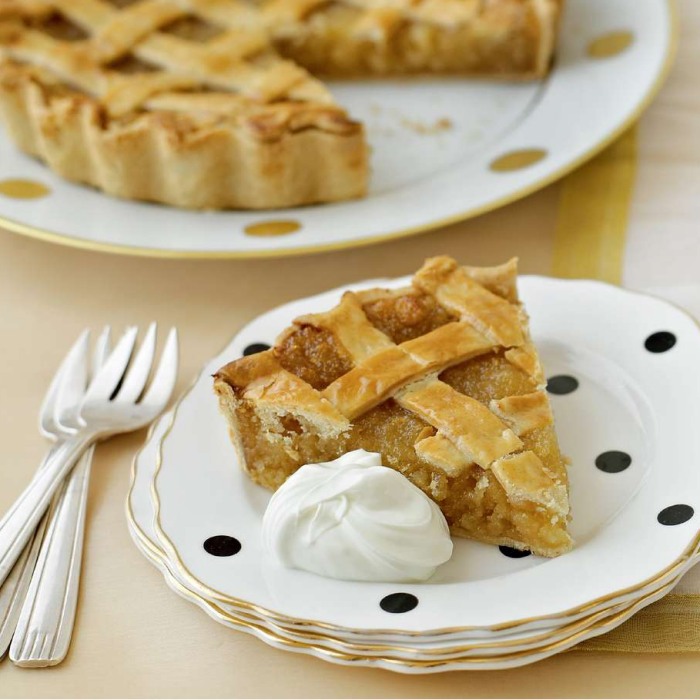
Imagine the aroma of butter and golden syrup wafting through a British kitchen—treacle tart is a dessert that has warmed hearts for generations. But behind its simple charm lies a world of culinary precision. Did you know that treacle tart, despite its name, is traditionally made with golden syrup, not black treacle? This iconic pudding, often associated with Harry Potter's Hogwarts feasts, is a staple of British baking. Yet, many home cooks stumble with soggy crusts or overly sweet fillings. In this article, we'll delve into the techniques and science that transform basic ingredients—flour, butter, golden syrup, breadcrumbs, lemons, and eggs—into a masterpiece. You'll learn how to avoid common pitfalls, from pastry mishaps to filling imbalances, and discover chef-level tips that elevate this classic to new heights. Whether you're a seasoned baker or a curious novice, prepare to master the art of treacle tart with confidence and flair.
The Science of Shortcrust Pastry: Why Cold Matters
The foundation of a great treacle tart is a tender, flaky shortcrust pastry. The key to achieving this lies in temperature control. When you mix flour and butter, the goal is to coat the flour particles with fat to inhibit gluten formation. If the butter is too warm, it melts into the flour, creating a dense, tough crust. Cold butter, cut into small cubes, remains solid until baking, where it creates steam pockets that yield flakiness. Similarly, using ice-cold water is crucial: warm water activates gluten, leading to a chewy texture. A classic ratio is 2:1 flour to butter by weight, with just enough water to bind. Many recipes advise chilling the dough for at least 30 minutes before rolling; this relaxes the gluten and solidifies the fat, reducing shrinkage during baking. For an extra flaky crust, some chefs incorporate a technique called fraisage—smearing the dough across the work surface with the heel of the hand—to create layers of butter. Mastering these principles ensures a pastry that perfectly complements the syrupy filling.
Balancing Sweetness: The Role of Lemon and Breadcrumbs
Treacle tart filling is a delicate balance of sweet and tart. Golden syrup, with its rich caramel notes, dominates, but without acidity, the tart becomes cloying. Lemon juice and zest provide essential brightness. The acidity also interacts with the proteins in eggs, helping the filling set. Breadcrumbs are another critical component: they absorb excess moisture and provide structure. Without them, the filling would be a runny syrup. The type of breadcrumbs matters—fresh white breadcrumbs yield a softer texture, while dried crumbs create a firmer set. Chef-level tip: toast the breadcrumbs lightly before mixing to enhance their nutty flavor and improve their ability to absorb liquid. The ratio of syrup to breadcrumbs is typically 2:1 by volume, but this can vary based on the syrup's viscosity. Eggs act as a binder, coagulating during baking to create a sliceable tart. Overmixing the filling can incorporate air, leading to a soufflé-like texture that collapses upon cooling. Hence, gentle folding is advised.
A Slice of History: From Medieval Humble Pie to Modern Icon
Treacle tart's origins trace back to medieval England, where treacle—a byproduct of sugar refining—was a cheap sweetener for the masses. Early versions were more like a syrup pudding, often made with black treacle, which has a robust, slightly bitter flavor. The switch to golden syrup became popular in the late 19th century after Abram Lyle began producing it in 1885. The addition of breadcrumbs was a practical way to stretch the filling and use up stale bread. Over time, treacle tart became a beloved teatime treat, particularly in northern England. Its association with Harry Potter has introduced it to a global audience, but it remains a quintessential British dessert, celebrated for its simplicity and comfort. Regional variations exist: some add ginger or nutmeg, while others incorporate oats for texture. Understanding this history adds depth to your baking, connecting you to centuries of culinary tradition.
Pro Tip: The Temperature Trick for a Perfect Set
Most recipes instruct you to bake treacle tart until the filling is just set, but achieving the ideal texture can be tricky. The secret lies in understanding the science of egg coagulation and sugar crystallization. Egg proteins set at around 70°C (158°F), but the high sugar content in the filling raises the coagulation temperature. To prevent curdling or over-setting, bake the tart at a moderate 180°C (350°F) and use an oven thermometer for accuracy. A chef-level technique is to place the tart on a preheated baking sheet; this ensures the bottom crust cooks evenly and avoids a soggy base. Additionally, let the tart cool completely before slicing—this allows the filling to firm up as it cools, as the sugar matrix solidifies. For an extra glossy finish, brush the surface with a little warmed golden syrup immediately after baking. This trick not only enhances appearance but also seals in moisture, keeping the filling luscious.
Treacle Tart in the Modern Kitchen: Health and Trends
In an era of health-conscious eating, treacle tart might seem like an indulgence, but it can be adapted without losing its essence. Golden syrup is high in sugar, but using a portion of black treacle adds depth and reduces overall sweetness. Wholemeal breadcrumbs increase fiber, and substituting some butter with a neutral oil can lower saturated fat. However, purists argue that these changes compromise the classic texture. Nutritionally, a slice provides quick energy from carbohydrates, but it's not a health food. Yet, treacle tart embodies the trend of nostalgic comfort foods that offer emotional nourishment. Modern bakers are experimenting with flavors like salted caramel or dark chocolate, but the traditional version remains a staple in British bakeries. Its simplicity—six core ingredients—makes it a sustainable choice, minimizing food miles. As we seek authenticity in our cooking, treacle tart stands as a testament to the beauty of minimalism.
Frequently Asked Questions
Q: Can I use black treacle instead of golden syrup? A: Yes, but black treacle is stronger and slightly bitter. Substitute up to half the golden syrup with black treacle for a richer flavor, adjusting sugar to taste. Q: Why did my tart filling overflow? A: Overfilling or a too-thin crust can cause overflow. Fill the crust only three-quarters full and ensure the pastry is thick enough to contain the syrup. Q: How do I prevent a soggy bottom? A: Blind-bake the crust for 15 minutes before adding filling. This sets the pastry and creates a barrier against moisture. Also, brush the inside with beaten egg to seal.
Key Takeaways
To master treacle tart, remember these essentials: always use ice-cold water and chilled butter for a flaky crust, and chill the dough before rolling. Balance the filling's sweetness with fresh lemon juice and zest, and toast breadcrumbs to enhance flavor and structure. Bake at a moderate temperature and cool completely before slicing for a clean set. Don't fear mistakes—they're part of the learning process. With these chef-level insights, you're equipped to create a treacle tart that honors tradition while showcasing your skill. Embrace the science, savor the history, and enjoy the delightful result.
Try these recipes on DishIndex
Explore treacle tart recipes and more