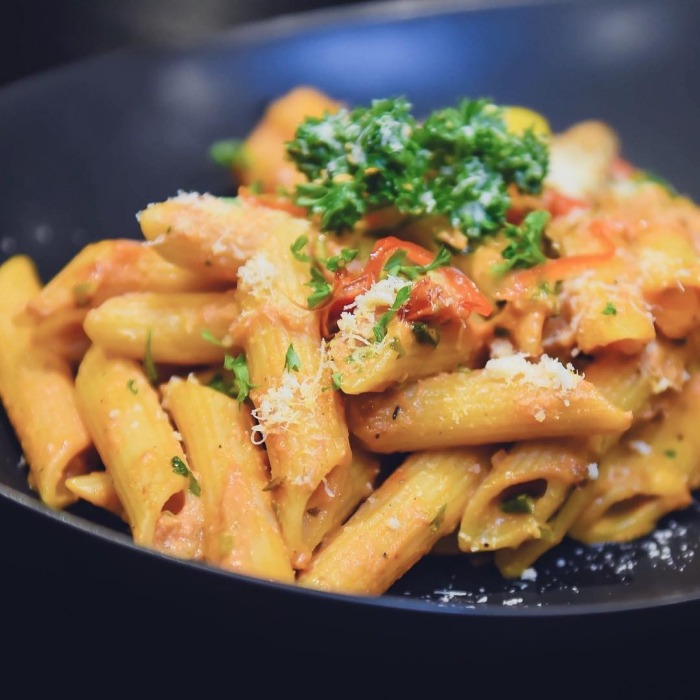
It is 8:40 on a Tuesday night. You open the fridge, and there it is: a glass container of deep crimson sauce, flecked with chilli and softened garlic, waiting to be married to a pot of penne. Fifteen minutes later, dinner is done, the kitchen is nearly clean, and nobody had to order anything. This is the quiet power of Arrabiata, a dish whose name literally means angry in Italian, yet which happens to be one of the calmest, most reliable meals in the weeknight repertoire. The name refers to the heat, not the mood. Born in Rome and built from pantry staples, it asks for nothing fresh beyond garlic and, ideally, basil. And because the sauce is essentially a slow-bloomed tomato and chilli base, it multiplies effortlessly, freezes cleanly, and improves overnight in the fridge. In this guide, we will walk through batch-cooking strategy, storage science, realistic portioning, and the small technique adjustments that keep reheated pasta from turning to mush. By the end, you will have a repeatable system for putting a fiery, deeply savoury Roman classic on the table any night of the week, without drama and without waste.
Why Arrabiata Is a Meal Prep Natural
Most pasta dishes punish you for planning ahead. Carbonara breaks, cacio e pepe clumps, and anything with delicate seafood turns rubbery by Thursday. Arrabiata is the exception, and the reason is structural. Its sauce is a fat-and-acid emulsion of olive oil, garlic, chilli, and cooked tomato, a combination that is stable, freezable, and arguably better after a day in the fridge as the flavours meld. The dish also scales linearly: doubling the sauce costs almost no extra time, and a single large pot yields four to six generous portions. Nutritionally, it is more balanced than its indulgent reputation suggests. A standard serving of penne rigate delivers roughly 200 calories and 7 grams of protein before sauce, and the sauce itself is predominantly tomato, which brings lycopene, vitamin C, and potassium with very little fat beyond the olive oil you choose to use. One tablespoon of olive oil per portion adds about 120 calories, so measuring rather than free-pouring is the single biggest lever you control. Add a handful of Parmigiano-Reggiano for salty depth and a modest protein bump, and you have a plate that satisfies without demanding a nap.
The Chilli and Garlic Ratio Most Cooks Get Wrong
The defining ingredient in Arrabiata is peperoncino, dried red chilli flakes, and the classic mistake is adding them too late or too timidly. In Rome, the chilli is bloomed in olive oil alongside sliced garlic over moderate heat, a step that extracts fat-soluble capsaicin and turns raw heat into a rounded, almost fruity warmth. If you dump flakes into the finished sauce, you get a sharp, one-dimensional burn instead of depth. Use roughly half a teaspoon per two servings as a starting point, and remember that chilli flakes lose potency over time; a jar open for a year may need double. Garlic deserves equal care. Slice it rather than mincing, and pull it from the pan the moment the edges turn pale gold, well before browning, because burnt garlic turns acrid and bitter and will dominate everything. Italian seasoning, meanwhile, is a convenience blend, and a light hand keeps it from tasting dusty. A pinch of oregano and a few torn basil leaves at the end will do more work than a heavy spoonful of mixed herbs at the start.
From Roman Trattoria to Your Freezer
Arrabiata emerged in Rome in the mid-twentieth century, a dish of the trattorie and home kitchens of Lazio, where cooks built sauces from what the pantry offered: canned or preserved tomatoes, garlic, dried chilli, and olive oil. Its name, anger, was a playful nod to the aggressive heat that distinguished it from the gentler marinara and the buttery pomodoro. The dish spread internationally in the 1970s and 1980s as Italian restaurant culture globalised, and it became a fixture on menus from London to New York, often listed alongside arrabbiata's close cousin, penne all'amatriciana, which trades chilli for cured pork. What makes the dish culturally durable is its economy: it is a sauce of scarcity that tastes like abundance. That same quality makes it a natural for modern batch cooking. Roman home cooks have long made sauce in large quantities to dress pasta across several days, and the freezer simply extends that tradition. Understanding this lineage matters, because it reframes meal prep not as a modern productivity hack but as a continuation of how this food has always been cooked.
Pro Tip: Undercook the Pasta and Sauce It Twice
Here is the technique that separates good reheated Arrabiata from sad, gluey leftovers. Cook your penne two minutes shy of al dente, then drain it, reserving a cup of the starchy cooking water. Toss the pasta directly into the sauce in the pan with a splash of that water and finish it over heat for sixty seconds. The starch emulsifies the oil and tomato into a glossy coating rather than a puddle. Now, for storage, portion the sauced pasta into containers but keep a little extra sauce separate. When reheating, add that reserved sauce and a tablespoon of water, cover, and microwave in thirty-second bursts, stirring between each. The extra sauce rehydrates the pasta and restores the glossy texture. Avoid reheating in a dry pan or uncovered, which drives off moisture and leaves the penne tough. A final drizzle of raw olive oil and a fresh grating of cheese after reheating revives the dish completely. This two-stage saucing approach is the single most effective habit for anyone who preps pasta on Sunday and eats it on Thursday.
Where Arrabiata Fits in a Balanced Week
There is a persistent myth that pasta cannot belong to a healthful diet, usually rooted in conflating refined carbohydrates with poor nutrition overall. The evidence is more nuanced. The Mediterranean diet, consistently ranked among the best-supported eating patterns in nutrition research, includes pasta regularly, typically in moderate portions paired with vegetables, olive oil, and legumes. Arrabiata fits that pattern neatly: it is plant-forward, low in saturated fat when made with measured oil, and easy to bulk out with spinach, roasted peppers, or white beans stirred into the sauce in the final minutes. Portion control matters more than prohibition. A reasonable serving is around 80 to 100 grams of dry pasta per person, roughly the size of a clenched fist, rather than the heaped restaurant bowl. Pair it with a simple green salad dressed in lemon and olive oil, and the plate becomes genuinely balanced. The dish also aligns with the growing interest in flexible, realistic eating, where the goal is a sustainable weekly rhythm rather than perfection on any single day.
Frequently Asked Questions
Q: Can I freeze Arrabiata sauce, and for how long? A: Yes, the sauce freezes exceptionally well because its oil and tomato base is stable. Cool it completely, portion into airtight containers leaving headspace, and freeze for up to three months. Thaw overnight in the fridge and reheat gently on the stovetop, adding a splash of water if it thickens. Q: How do I keep reheated penne from turning mushy? A: Undercook the pasta by two minutes before saucing, and store it with a little extra sauce. Reheat covered with a tablespoon of water in short microwave bursts, stirring between, or gently in a covered pan. The reserved moisture and starch restore texture rather than degrading it. Q: Is Arrabiata healthy enough to eat weekly? A: Absolutely, with attention to portion size and oil quantity. Measure your olive oil, keep servings to 80 to 100 grams of dry pasta, and add vegetables or beans for fibre and protein. In that form it is a balanced, plant-forward meal suited to a regular rotation.
Key Takeaways
Treat the sauce as the batchable asset: make a double or triple quantity, freeze it in portioned containers, and you have the foundation for a dozen fast dinners. Bloom your chilli flakes and sliced garlic in olive oil over moderate heat, pulling the garlic before it browns, because that step builds the rounded warmth that defines a proper Arrabiata. Undercook your penne by two minutes and finish it in the pan with starchy water, then store it with a little extra sauce to protect texture during reheating. Measure your oil rather than pouring freely, keep pasta portions to 80 to 100 grams dry per person, and bulk the dish out with greens, peppers, or white beans for fibre and protein. Finally, remember that this fiery Roman classic has always been a sauce of economy and abundance, so cooking it in large batches is not a shortcut but a return to how it was meant to be made. Prep once, eat well all week.
Try these recipes on DishIndex
Explore arrabiata penne recipes and more