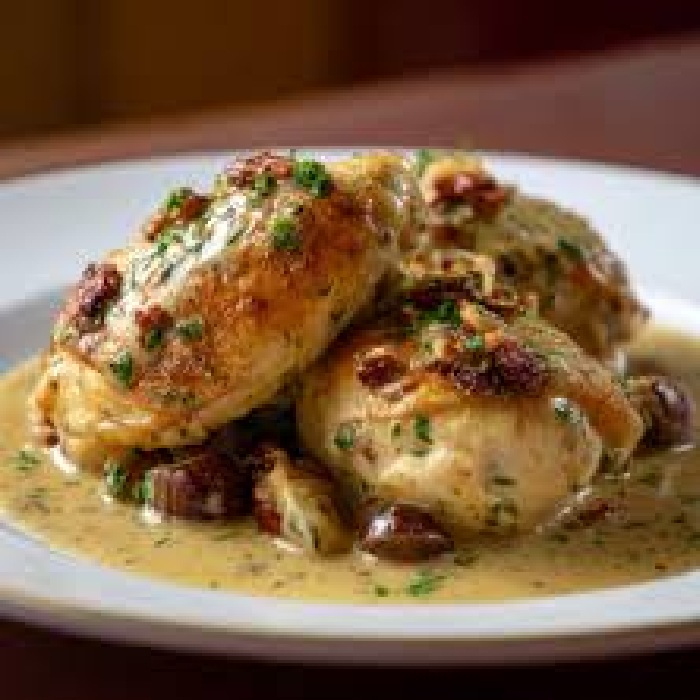
Picture this: it is 6 p.m. on a Tuesday, and you are standing in your kitchen scrolling through a recipe for roasted chicken with creamy walnut sauce. But instead of a dog-eared cookbook, your guide is a glowing screen that has already learned you prefer thighs over breasts, that you keep cumin in your pantry, and that you have exactly 40 minutes before hunger wins. This is not science fiction. It is the new reality of home cooking. Technology has quietly rewired every stage of the culinary journey, from discovery to adaptation to execution. A dish rooted in Turkish tradition, where chicken is roasted with warm spices and cloaked in a sauce of ground walnuts, stock, and cream, now travels through algorithms and smart appliances before it ever reaches your table. The result is not a loss of authenticity but an expansion of access. In the pages ahead, you will discover how AI recipe platforms, connected kitchen devices, and digital food communities are changing the way we find, tweak, and cook dishes like this one, and why that matters for anyone who loves real food.
The Algorithmic Cookbook: How We Find Recipes Now
Not long ago, discovering a Turkish walnut chicken recipe meant owning a regional cookbook or having a grandmother from Anatolia. Today, recommendation engines surface dishes based on your past searches, dietary preferences, and even the contents of your fridge. Platforms use collaborative filtering, the same math behind movie suggestions, to connect you with recipes you are statistically likely to love. A 2023 industry survey found that nearly 60 percent of home cooks now discover new recipes through social media or app feeds rather than traditional cookbooks. This shift has a hidden benefit: obscure regional dishes gain visibility. A recipe like roasted chicken with creamy walnut sauce, once confined to family kitchens in cities like Gaziantep or Istanbul, can now reach a home cook in Manchester or Minneapolis within seconds. The algorithm does not just show you the recipe; it shows you variations, substitutions, and reviews from people who have already cooked it. That collective intelligence is the modern equivalent of a trusted neighbor leaning over the fence to tell you what worked.
Smart Ovens and the End of the Guessing Game
The recipe itself is simple: toss chicken thighs in cumin, paprika, olive oil, and salt, then roast at 200C for 40 minutes. But simple does not mean foolproof. Oven temperatures vary by as much as 15 degrees Celsius between models, which is why one cook gets golden skin and another gets pale, stubborn chicken. Enter the smart oven, equipped with probes and cameras that monitor internal temperature and browning in real time. Some models now connect to recipe apps and adjust cooking curves automatically. For this dish, a probe inserted into the thickest part of a thigh should read 75C, the point at which chicken is safely cooked and still juicy. Smart thermometers and app-linked probes have made that number accessible to anyone with a smartphone. The old advice to always preheat is still sound, but technology has added a safety net. You no longer need to guess whether your oven runs hot or cold. The machine tells you, and the recipe adapts.
Walnuts, Cream, and the Anatomy of a Turkish Classic
The creamy walnut sauce at the heart of this dish reflects a long Anatolian tradition of using nuts as both thickener and flavor base. Before dairy was widely available, ground walnuts, almonds, and hazelnuts enriched sauces across the region. In Turkish cooking, walnut sauces appear in dishes from the Aegean coast to the southeast, often paired with chicken or fish. The classic method involves soaking stale bread in chicken stock, blending it with toasted walnuts, garlic, and onions, then finishing with cream. The bread is the quiet hero: it stabilizes the emulsion and gives the sauce body without flour. Toasting the walnuts, as the recipe suggests, is not optional if you want depth. Heat transforms their fats and activates Maillard reactions, producing a nuttier, more complex flavor. Modern cooks can now use high-powered blenders to achieve a silkier texture than traditional mortar and pestle methods, but the principle remains the same. The sauce should coat the back of a spoon and taste of toasted nuts, not raw ones.
Pro Tip: Toast Your Walnuts, Then Deglaze the Pan
Most home cooks toast their walnuts, and that is good. But here is a step that separates a good version of this dish from a great one: after roasting the chicken, do not discard the pan juices. Place the roasting pan over medium heat, add a splash of chicken stock, and scrape up the browned bits with a wooden spoon. Those bits are concentrated flavor from the cumin, paprika, and chicken fat. Reduce the liquid by half and stir it into your walnut sauce. This deglazing step, standard in professional kitchens, adds a savory depth that no amount of extra cream can replicate. It takes two minutes and uses equipment you already have. A second tip: toast the walnuts in a dry skillet over medium heat for three to four minutes, stirring constantly, until they smell nutty. Do not walk away; walnuts burn in seconds. Once toasted, let them cool before blending, or they will turn the sauce greasy. These small acts of precision are what technology cannot yet do for you, and they are worth learning.
The Data-Driven Palate: Nutrition, Trends, and Tradition
Food apps now track macros, allergens, and ingredient swaps with a precision that would have amazed earlier generations. This dish, for example, is naturally high in protein and healthy fats from the walnuts, but the cream adds saturated fat. A modern cook can open an app, log the ingredients, and see the breakdown instantly. Some platforms go further, suggesting swaps like Greek yogurt for part of the cream or cauliflower puree for body. These tools do not replace culinary judgment, but they inform it. Meanwhile, food trend reports show that consumers are increasingly interested in dishes with a story, and Turkish cuisine, with its deep Ottoman roots and regional diversity, fits that demand. Walnuts themselves are having a moment: global production has risen steadily, and they are prized for omega-3 fatty acids. The result is a dish that feels both ancient and current. Technology has not changed the soul of roasted chicken with walnut sauce, but it has made its nutritional profile transparent and its cultural context accessible to anyone curious enough to look.
Frequently Asked Questions
Q: Can I make the walnut sauce ahead of time? A: Yes. Prepare the sauce up to two days in advance and store it covered in the refrigerator. Reheat gently over low heat, adding a splash of stock if it thickens too much. Do not boil, as the cream may split. Q: What can I use instead of single cream? A: Greek yogurt or coconut cream both work well. For yogurt, temper it by whisking in a little warm stock before adding to the sauce, and keep the heat low to prevent curdling. Q: Is this dish gluten-free? A: The chicken and sauce can easily be gluten-free if you use gluten-free stock and skip the bread, substituting a tablespoon of cornstarch slurry to thicken. Serve with gluten-free flatbread instead of pita.
Key Takeaways
The tools have changed, but the fundamentals have not. First, use technology to your advantage: let recipe apps learn your preferences and let smart thermometers take the guesswork out of doneness. Second, respect the ingredient: toast your walnuts and deglaze your roasting pan for flavor that no algorithm can invent. Third, understand the culture behind the dish; the walnut sauce is a window into Anatolian resourcefulness, where nuts replaced dairy and bread thickened sauces. Fourth, adapt with confidence. Swapping cream for yogurt or bread for cornstarch is not a betrayal of tradition but an extension of it. Finally, cook with curiosity. The best recipes, whether discovered through a screen or a grandmother's notebook, reward attention and practice. Roasted chicken with creamy walnut sauce is a perfect place to start: forgiving, flavorful, and deeply satisfying. Preheat the oven, toast the nuts, and let the technology handle the rest.
Try these recipes on DishIndex
Explore roasted chicken walnut sauce recipes and more