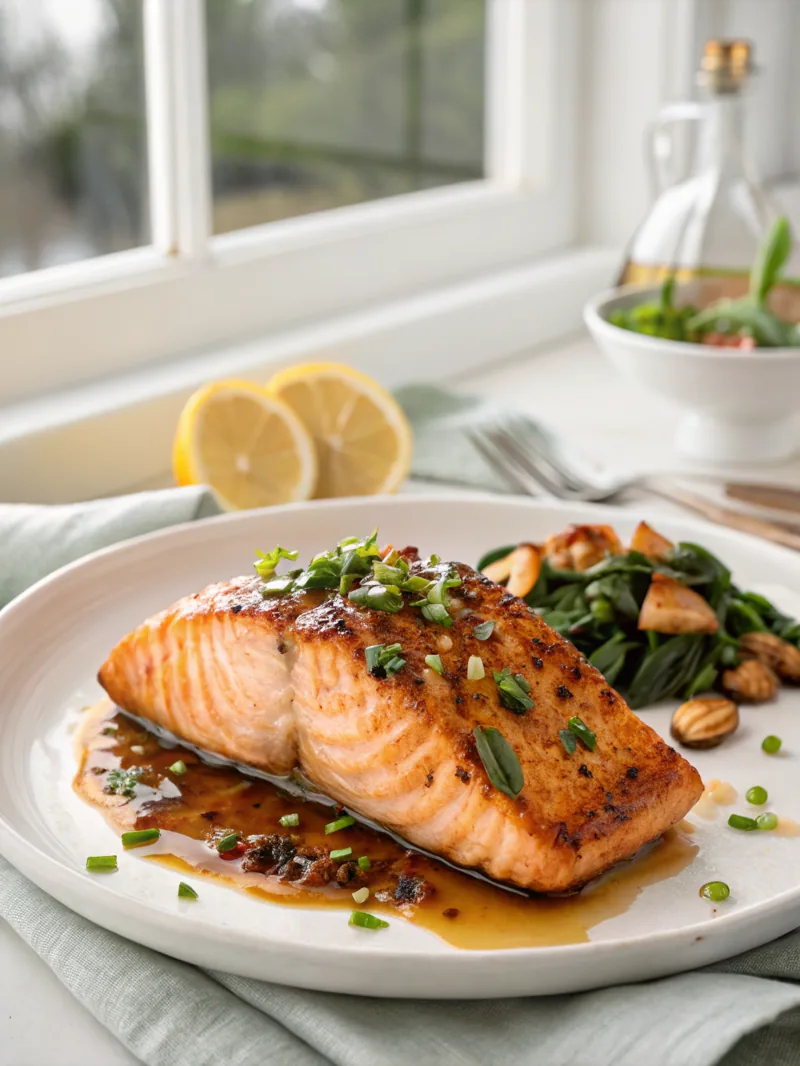
My boyfriend used to push salmon around his plate like a sulky toddler. Then I seared a skin-on fillet until it crackled like parchment, drizzled it with a honey-garlic glaze, and watched him scrape the pan for every last drop. Now this five-ingredient dish is the most requested dinner in our apartment, and it comes together in twenty minutes flat. The magic is in the method: get the skin insanely crispy first, then let the glaze do the heavy lifting. But here is the twist—this weeknight hero can also be a quiet act of environmental stewardship. From choosing the right salmon to sourcing local honey, every decision ripples outward. In this article, you will discover how to make this dish with a lighter footprint, from reducing food waste to embracing eco-friendly cooking methods. You will learn why seasonal ingredients matter, how to shop for sustainably sourced fish, and why a single pan is your best friend. Because eating well on a Tuesday should not cost the earth.
The Carbon Footprint of a Salmon Fillet
Salmon is a nutritional powerhouse, but its environmental impact varies wildly depending on how it is farmed or caught. Wild-caught Alaskan salmon, for instance, is a model of sustainability: the fishery is managed under strict quotas, and the fish feed on natural prey, resulting in a lower carbon footprint than many land-based proteins. In contrast, some open-net pen farms can release excess nutrients and parasites into coastal waters. According to the Monterey Bay Aquarium's Seafood Watch, choosing certified wild-caught or land-based recirculating aquaculture systems (RAS) salmon reduces pressure on marine ecosystems. For this recipe, opt for skin-on fillets from a reputable fishmonger who can trace the source. The skin itself is a sustainability win: it prevents the fillet from sticking, adds crispy texture, and uses a part of the fish that might otherwise be discarded. By cooking skin-on, you are honoring the whole animal and reducing waste—one crispy bite at a time.
Honey, Garlic, and Soy: The Local vs. Global Dilemma
The glaze relies on three pantry staples, each with its own sustainability story. Honey is a beacon of local sourcing: buying from regional beekeepers supports pollinator health and reduces the carbon miles of a jar shipped across oceans. Look for raw, unfiltered honey, which retains trace enzymes and requires less processing energy. Garlic, on the other hand, is often imported from China, where production may involve intensive irrigation and long-distance transport. Growing your own garlic or buying from a nearby farm reduces that footprint and rewards you with fresher, more flavorful cloves. Soy sauce is a fermented product with a centuries-old tradition; artisanal varieties brewed in small batches use less energy than industrial methods. For the most eco-friendly version, choose a locally brewed soy sauce or tamari, and consider the packaging—glass bottles are more recyclable than plastic. These small swaps add up, and they deepen the flavor of the dish while treading more lightly on the planet.
A Weeknight Staple with Deep Roots
Honey garlic salmon may feel like a modern internet creation, but its components have ancient pedigrees. Salmon has been central to Indigenous diets in the Pacific Northwest for thousands of years, where tribes like the Yurok and Makah developed sophisticated fishing and preservation techniques. Honey, meanwhile, appears in culinary traditions from ancient Greece to imperial China, often used as a preservative and a symbol of hospitality. Garlic has been cultivated for over 5,000 years, with origins in Central Asia, and was prized by Egyptian laborers for strength. Soy sauce originated in China during the Zhou dynasty, around 300 BCE, as a fermented condiment that extended scarce salt. When these ingredients meet in a modern skillet, they echo a long history of trade and migration. This dish is a testament to how global ingredients can come together in a local kitchen—and how we can honor those origins by choosing sustainably produced versions of each.
Pro Tip: The Two-Stage Sear for Crispy Skin and Zero Waste
Most home cooks ruin salmon skin by flipping too early or using a cold pan. The secret to insanely crispy skin is a two-stage sear: start with a cold, dry skillet, place the fillet skin-side down, then turn the heat to medium. As the pan warms, the skin’s moisture evaporates gradually, and the fat renders slowly, creating a crackling crust without sticking. This method also minimizes oil use—just a teaspoon of butter is enough. After 6-8 minutes, when the skin releases easily, flip and cook for 2 minutes more. Then add the honey, soy sauce, and garlic, spooning the glaze over the fillet. By cooking skin-on, you avoid wasting a valuable part of the fish, and the rendered fat becomes a flavorful base for the sauce. This technique is both eco-friendly and foolproof, ensuring that every part of the fillet is enjoyed.
Why This Dish Fits the Sustainable Eating Trend
Sustainable eating is no longer a niche concern; it is a mainstream movement reshaping how we shop and cook. According to a 2022 report by the Food and Agriculture Organization, reducing food waste is one of the most effective ways to lower the carbon footprint of our diets. This recipe embodies that principle: it uses five ingredients, generates minimal packaging waste, and encourages whole-fish utilization. The one-pan approach also conserves water and energy by cutting down on dishwashing. Moreover, the dish aligns with the rising popularity of 'climatarian' diets, which emphasize seasonal, local, and low-impact proteins. Salmon, when sourced responsibly, is a rich source of omega-3 fatty acids, which support heart health and may reduce inflammation. By pairing it with honey and garlic—both known for antimicrobial properties—you create a meal that is as nourishing as it is sustainable. This is not just a quick dinner; it is a small, delicious step toward a more resilient food system.
Frequently Asked Questions
Q: Can I use frozen salmon for this recipe? A: Yes, but thaw it overnight in the refrigerator and pat it completely dry before cooking. Frozen wild-caught salmon is often more sustainable and economical than fresh, and it retains its nutritional value. Just ensure it is fully thawed to achieve crispy skin. Q: How do I source sustainable honey and soy sauce? A: Look for honey from local beekeepers at farmers markets, and choose soy sauce brewed in small batches with non-GMO soybeans. Check for third-party certifications like Fair Trade or organic labels, which indicate lower environmental impact and ethical production. Q: What can I do with leftover glaze? A: Leftover honey garlic glaze can be refrigerated for up to a week and used as a marinade for tofu or chicken, or drizzled over roasted vegetables. This reduces food waste and extends the life of your ingredients, making the most of every purchase.
Key Takeaways
Choose skin-on salmon from sustainable sources, such as wild-caught Alaskan or land-based RAS farms, to support healthy oceans and reduce waste. Buy local honey and garlic whenever possible to cut carbon miles and support regional agriculture. Use the two-stage sear method to achieve crispy skin without excess oil, and embrace one-pan cooking to save energy and water. Plan your portions to avoid leftovers, and repurpose any extra glaze into future meals. Finally, remember that small, mindful choices in the kitchen can add up to a meaningful environmental impact—without sacrificing flavor or convenience. With these lessons, you can enjoy a delicious, eco-conscious dinner any night of the week.
Try these recipes on DishIndex
Explore honey garlic salmon recipes and more