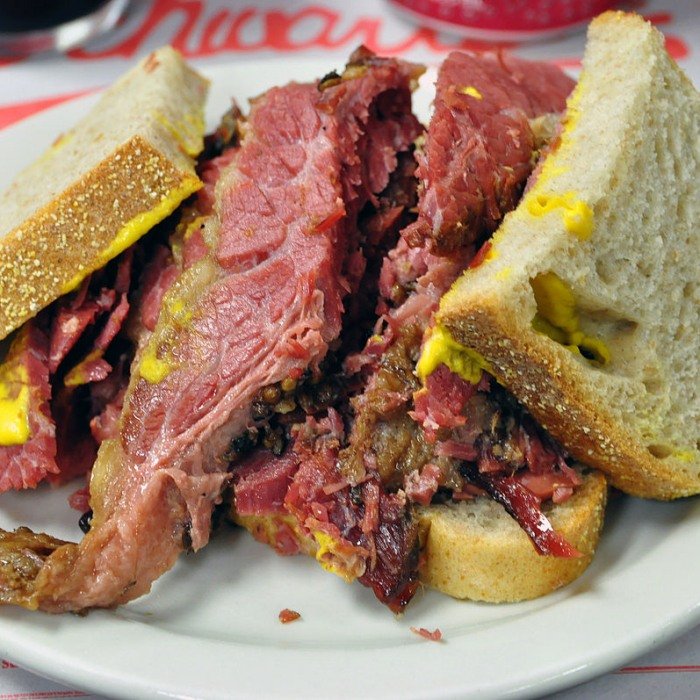
Picture a deli counter at 11 a.m., the air thick with pepper and smoke, a hand-cranked slicer reducing a massive brisket to ribbons of mahogany meat. Montreal smoked meat is more than a sandwich filling; it is a civic treasure, a dish that arrived with Eastern European Jewish immigrants in the late 19th century and became a defining taste of Quebec. Yet the same qualities that make it beloved—a long cure, a low-and-slow smoke, a rich beefy cut—also make it a dish with a noticeable environmental footprint. Beef production is resource-intensive, and traditional smoking can consume hours of energy. But sustainability does not have to mean sacrifice. By sourcing smarter, smoking cleaner, and wasting less, home cooks can keep the soul of this dish intact while shrinking its impact. In this article, you will learn how to choose a brisket with a lighter footprint, adapt the cure to seasonal spices, use an eco-friendly smoking method, and turn every trim and scrap into something delicious. The goal is not to reinvent Montreal smoked meat but to future-proof it—so that the peppery, smoky, briny magic endures for generations.
The Carbon Footprint of a Brisket
Beef is the heavyweight of the food world when it comes to emissions. According to the Food and Agriculture Organization, livestock accounts for roughly 14.5 percent of global greenhouse gas emissions, with beef cattle contributing the largest share. A single kilogram of beef can generate up to 60 kilograms of CO2 equivalent, depending on production methods. For Montreal smoked meat, the brisket itself is the primary concern. However, not all beef is equal. Grass-fed, pasture-raised operations can sequester carbon in soil, and local sourcing reduces transport emissions. Choosing a brisket from a regional farm that practices rotational grazing can cut the dish's footprint significantly. The cure—salt, black pepper, coriander, sugar, bay leaf—is plant-based and low-impact. The real leverage point is the meat. By treating brisket as a special-occasion ingredient rather than a weekly staple, and by seeking out farms with transparent practices, you honor the dish's heritage while making a choice that aligns with a more sustainable kitchen.
Seasonal Spices and Local Sourcing
Traditional Montreal smoked meat relies on a fixed spice blend: black pepper, coriander, mustard seeds, and a touch of brown sugar. But the sustainability lens invites a seasonal twist. Coriander and mustard seeds are cool-season crops that can be grown in many temperate regions, including parts of Quebec and Ontario. Buying them from local spice merchants or growing your own in a backyard plot reduces the miles traveled and supports regional agriculture. Brown sugar can be replaced with maple sugar, a Canadian staple produced with relatively low energy input compared to refined sugar. Bay leaves, meanwhile, are perennial and easy to grow indoors or in a garden, providing a renewable source of flavor. The key is to preserve the balance: the peppery crust and the smoky-sweet interior depend on the ratio of spices, not their origin. By sourcing seasonally and locally, you keep the flavor profile intact while making the cure more resilient and environmentally sound.
A Brief History of a Montreal Icon
Montreal smoked meat traces its roots to the late 1800s, when Jewish immigrants from Romania and Lithuania brought their curing and smoking traditions to Quebec. The dish evolved in delis along Saint Laurent Boulevard, where butchers like Reuben Schwartz and agencies like the Montreal Hebrew Delicatessen (now Schwartz's) perfected the technique. Unlike pastrami, which is brined and then smoked, Montreal smoked meat is dry-cured with a spice rub and smoked for hours, giving it a denser texture and a more pronounced pepper crust. The dish became a working-class staple, served on rye with mustard and a pickle, and later a symbol of Montreal's culinary identity. Today, it is protected by a kind of informal civic pride, with debates over the best deli raging as fiercely as ever. Understanding this history matters for sustainability: the original cooks were masters of using whole animals and wasting nothing, a lesson that modern kitchens can revive.
Pro Tip: Smoke with Efficient, Clean-Burning Wood
The smoking step is where energy use and emissions can creep up. Traditional smokers burn wood for hours, but you can reduce the environmental impact without losing flavor by choosing the right fuel and technique. Use hardwood chunks from locally sourced, sustainably harvested trees—fruitwood like apple or cherry is ideal and often available as prunings from orchards. Avoid charcoal briquettes that contain additives; instead, use lump charcoal made from certified sustainable sources. Most importantly, master the minion method: arrange a small chimney of lit coals at one end of the smoker and unlit coals alongside, so the fire burns slowly and steadily for hours with minimal fuel. This approach can cut wood consumption by up to 30 percent compared to a roaring fire. Also, keep the smoker out of direct wind and use a digital thermometer to avoid opening the lid, which wastes heat. The result is a cleaner burn, a more consistent smoke, and a brisket that honors both tradition and the environment.
Reducing Waste from Nose to Tail
Montreal smoked meat is a dish that lends itself to zero-waste cooking if you plan ahead. The brisket trim—the fat cap and any silverskin—can be rendered into beef tallow, which is excellent for roasting potatoes or sautéing vegetables. The cooked brisket itself yields scraps that are perfect for hash, tacos, or a smoky beef broth. Even the spice rub that falls off during smoking can be collected and used to season popcorn or roasted nuts. The pickle brine left in the jar is a versatile marinade for chicken or a base for salad dressing. And the rye bread, if it stales, becomes croutons or breadcrumbs. By treating every byproduct as an ingredient, you reduce food waste and stretch the value of the dish. This approach echoes the resourcefulness of the delis that popularized Montreal smoked meat, where nothing was thrown away. In a home kitchen, it is a simple way to make a special dish feel more responsible.
Frequently Asked Questions
Q: Can I make Montreal smoked meat without a smoker? A: Yes. Use a stovetop smoker or a foil packet of wood chips in a covered gas grill, and finish the brisket in a low oven. The flavor will be slightly less intense but still satisfying. Q: How do I source sustainable brisket? A: Look for farms that practice rotational grazing and sell directly to consumers. Ask about feed and antibiotics. Local butchers can often trace their beef to specific regional farms. Q: Is the traditional cure high in nitrates? A: Traditional Montreal smoked meat uses salt and spices, not curing salts like sodium nitrite. The long cure and smoke inhibit bacteria. If you are concerned, use a recipe without nitrates and keep the brisket refrigerated during curing.
Key Takeaways
To make Montreal smoked meat more sustainable, start by sourcing brisket from a local farm with transparent grazing practices—this is the single biggest lever. Swap refined brown sugar for maple sugar and buy spices from regional growers to reduce transport miles. When smoking, use locally harvested hardwood and the minion method to cut fuel consumption by up to a third. Embrace nose-to-tail cooking: render the fat, save the scraps, and use every last bit of spice rub. Finally, treat the dish as a celebration, not a daily habit, and share it with friends—because the most sustainable meals are the ones that are savored slowly and remembered. With these adjustments, the peppery, smoky, briny soul of Montreal smoked meat lives on, lighter on the planet but full of flavor.
Try these recipes on DishIndex
Explore Montreal smoked meat recipes and more