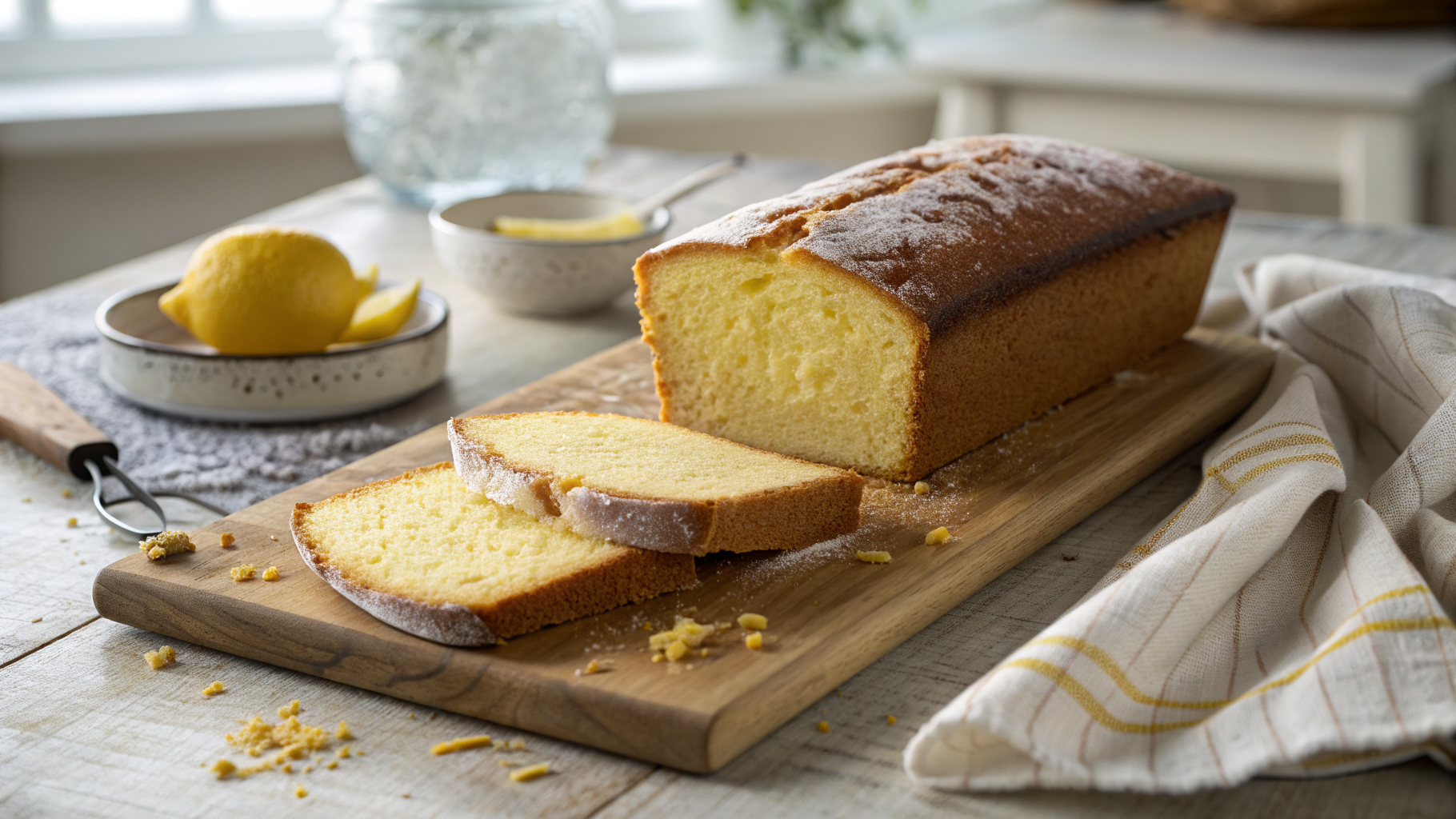
Imagine the gentle hum of a Sunday afternoon kettle, the clink of china, and a slice of golden cake that needs no frosting to impress. Madeira cake is that quiet hero of British baking, a loaf so tender it practically sighs when you cut it. Despite its name, this cake contains no Madeira wine; the name likely comes from the fortified wine it was traditionally served alongside in the 19th century. Its simplicity is its genius: butter, sugar, eggs, self-raising flour, milk, and a whisper of lemon zest. But beneath that modest ingredient list lies a world of technique. Creaming butter and sugar to the right consistency, achieving oven spring without cracking, and keeping the crumb moist for days are all within your reach. In this article, I will guide you through the culinary science and chef-level tips that transform a humble loaf into a masterpiece. You will learn how to avoid common pitfalls, understand the role of each ingredient, and bake a Madeira cake that earns a permanent spot in your repertoire.
The Creaming Method: Where Air Becomes Structure
The creaming stage is the foundation of a light, tender Madeira cake. When you beat butter and caster sugar together, you are not just mixing; you are incorporating thousands of tiny air bubbles into the fat. These bubbles will later be trapped by the egg proteins and flour starch during baking, expanding in the oven and giving the cake its lift. For the best results, start with butter at cool room temperature, around 18 to 20 degrees Celsius. Too warm, and the butter will not hold air; too cold, and it will remain lumpy. Beat for a full 5 to 7 minutes until the mixture is visibly pale and fluffy, almost doubled in volume. Caster sugar is ideal because its fine crystals dissolve quickly and create a stable emulsion. If you only have granulated sugar, pulse it briefly in a food processor. This step is where many home cooks rush, but patience here pays dividends in the final crumb.
The Egg Enigma: Adding Slowly to Prevent Curdling
Eggs are the second critical component, providing structure, moisture, and richness. The most common mistake is adding them too quickly. When eggs are introduced to the butter-sugar mixture, the water in the eggs can cause the emulsion to break if added in large amounts. The result is a curdled, grainy batter that leads to a dense, heavy cake. To avoid this, add eggs one at a time, beating thoroughly after each addition. If you see the mixture starting to separate, add a tablespoon of the measured self-raising flour to stabilize it. The flour acts as a buffer, absorbing excess moisture and keeping the emulsion intact. Room-temperature eggs incorporate more smoothly than cold ones, so take them out of the fridge 30 minutes ahead. This simple precaution, along with slow incorporation, ensures a silky batter that bakes into a fine, even crumb.
A Slice of History: From Madeira Wine to British Tea Tables
The origins of Madeira cake are intertwined with the British upper classes of the 1800s. It was customary to serve a slice of this plain, sturdy cake with a glass of Madeira, a fortified wine from the Portuguese island of Madeira. The cake's low sugar content and firm texture made it an ideal companion to the sweet, oxidized wine. Over time, the wine fell out of fashion, but the cake remained, becoming a staple of afternoon tea. Its ability to stay moist for days made it a favorite for picnics and journeys. In the 20th century, the lemon zest became a signature, adding a bright, aromatic note that cut through the richness of butter. Today, Madeira cake is a beloved classic, often baked in a loaf tin and enjoyed plain or with a light dusting of sugar. It represents a time when simplicity and quality were paramount in British baking.
Pro Tip: The 10-Minute Rest for a Perfectly Level Top
Here is a chef-level secret that most home bakers overlook: after you pour the batter into the prepared tin, let it rest for 10 minutes before baking. This short rest allows the flour to hydrate fully and the gluten to relax, resulting in a more even rise and a tender crumb. It also gives the air bubbles time to redistribute, reducing the chance of large tunnels. Additionally, this rest helps the batter come closer to room temperature, promoting even baking. While the batter rests, preheat your oven to 170 degrees Celsius (340 degrees Fahrenheit) for a fan oven, or 180 degrees Celsius (355 degrees Fahrenheit) for a conventional oven. A moderate oven is crucial for Madeira cake; too hot, and the top will crack and brown before the center is cooked; too cool, and the cake will be pale and dry. The rest is a small step that makes a big difference.
The Moisture Factor: Why Madeira Cake Lasts for Days
One of the hallmarks of a well-made Madeira cake is its ability to stay moist for up to a week when stored in an airtight container. This longevity comes from the balance of fat and sugar, which act as humectants, attracting and retaining water. The milk adds additional moisture, while the lemon zest provides a subtle acidity that enhances flavor without overpowering. Unlike modern cakes that rely on frosting for moisture, Madeira cake's crumb is inherently rich and tender. The self-raising flour, which contains a pre-measured amount of baking powder, contributes to a light texture without the need for additional leavening. This simplicity is a testament to the culinary wisdom of past generations. In an age of complex, multi-component desserts, the Madeira cake stands as a reminder that sometimes the most satisfying bakes are the ones that let the ingredients speak for themselves.
Frequently Asked Questions
Q: Can I use plain flour instead of self-raising flour? A: Yes, but you must add baking powder. For every 150 grams of plain flour, add 2 teaspoons of baking powder and a pinch of salt. Sift together before use. Q: My cake cracked on top. What went wrong? A: Cracking usually indicates an oven that is too hot or a batter that was overmixed. Reduce the temperature by 10 degrees and mix just until the flour is incorporated. Q: How do I know when the cake is done? A: Insert a skewer into the center; it should come out clean with no wet crumbs. The cake will also shrink slightly from the sides of the tin. Start checking at 50 minutes, as oven temperatures vary.
Key Takeaways
Master the creaming method by beating butter and sugar until pale and fluffy, at least 5 minutes. Add eggs one at a time to prevent curdling, and rest the batter for 10 minutes before baking for an even rise. Use a moderate oven and always test with a skewer for doneness. Remember that the lemon zest is not just for flavor; it adds a subtle acidity that balances the richness. Store the cake in an airtight container to enjoy its moist crumb for days. With these tips, you will avoid common mistakes and bake a Madeira cake that honors its British heritage. Whether for afternoon tea or a quiet moment, this cake proves that simple ingredients and careful technique create something truly special.
Try these recipes on DishIndex
Explore Madeira cake recipes and more