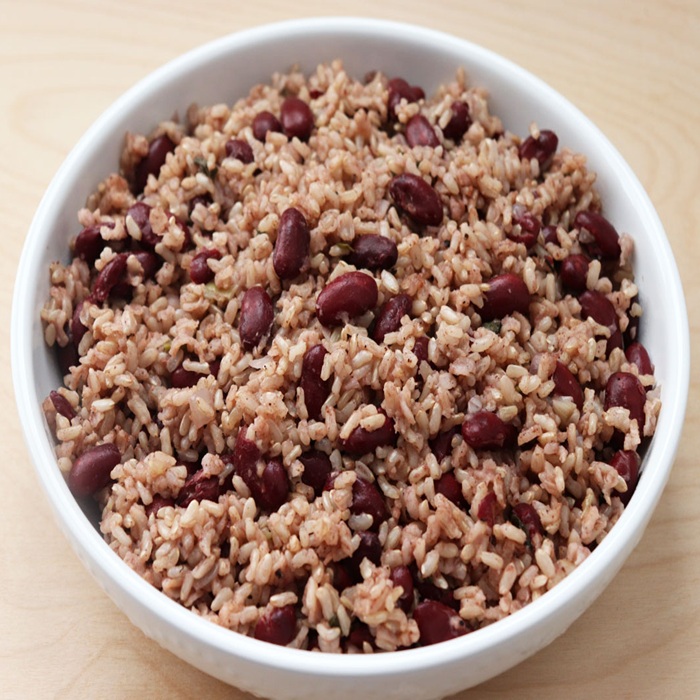
Imagine a pot of rice simmering in coconut milk, fragrant with allspice and thyme, dotted with creamy kidney beans. That's Jamaican rice and beans—a dish that has nourished generations across the Caribbean. But beyond its comforting aroma and rich flavor lies a nutritional profile that rivals any modern health bowl. In this article, we'll uncover the science behind its key ingredients: how coconut milk impacts cholesterol, why allspice offers more than just warmth, and how a humble scotch bonnet can boost your metabolism. You'll also learn the cultural history that shaped this dish and practical tips to maximize its health benefits. Whether you're a longtime fan or new to Caribbean cuisine, you'll come away with a deeper appreciation for this island staple and the research-backed reasons to make it part of your regular menu.
The Nutritional Profile of Jamaican Rice and Beans
A one-cup serving of Jamaican rice and beans typically provides around 250-300 calories, 8-10 grams of protein, and 5-7 grams of fiber, depending on the ratio of rice to beans. The combination of rice and beans creates a complete protein profile, as the amino acids missing in rice are supplied by the beans, and vice versa. This synergy is particularly valuable for vegetarians and vegans. The dish is also rich in complex carbohydrates, offering sustained energy, and contains significant amounts of folate, iron, and magnesium from the beans. Coconut milk contributes medium-chain triglycerides (MCTs), which are metabolized differently from long-chain fatty acids and may support satiety. Research published in the American Journal of Clinical Nutrition suggests that regular consumption of legumes like kidney beans can improve glycemic control and reduce LDL cholesterol. Additionally, the allspice and black pepper in the recipe provide antioxidants and may enhance nutrient absorption.
Coconut Milk: The Creamy Secret with Surprising Benefits
Coconut milk is the soul of this dish, lending its velvety texture and subtle sweetness. But its nutritional story is nuanced. Unlike coconut water, coconut milk is rich in fat—primarily saturated fat—which has sparked debate among nutritionists. However, a 2018 review in the Journal of the American College of Cardiology noted that coconut oil, and by extension coconut milk, may raise HDL (good) cholesterol without significantly affecting LDL in some populations. The key is moderation: using light coconut milk can reduce fat content while preserving flavor. Coconut milk also contains lauric acid, a fatty acid with antimicrobial properties. In Jamaican cooking, coconut milk is often extracted fresh from grated coconut, a tradition that ensures no additives. When you cook rice in coconut milk, the grains absorb the fat, creating a creamy mouthfeel that reduces the need for added oils. This makes the dish naturally rich yet balanced when paired with fiber-packed beans.
From Slave Kitchens to Modern Tables: A Culinary History
Jamaican rice and beans, often called rice and peas, has roots deep in the island's history. The dish originated during the colonial era when enslaved Africans combined their knowledge of rice cultivation with locally available ingredients. The term 'peas' refers to the kidney beans or pigeon peas used, a naming convention carried from West Africa. Coconut milk, abundant in the Caribbean, became a substitute for the palm oil used in similar African dishes. Over centuries, the recipe evolved into a Sunday staple, often served with jerk chicken or oxtail. In the 20th century, it became a symbol of Jamaican identity, appearing in cookbooks and family gatherings alike. The Instant Pot adaptation is a modern twist that preserves the traditional flavors while reducing cooking time from hours to minutes. This history underscores how a simple dish can carry the legacy of resilience and cultural fusion.
Pro Tip: Bloom Your Spices for Maximum Flavor and Nutrition
Most home cooks add spices directly to the pot with the liquid, but blooming them in oil first unlocks their full potential. When you sauté your onion, garlic, and spring onions, add the allspice and black pepper to the hot oil for 30 seconds before adding the rice. This technique, known as tempering, releases fat-soluble flavor compounds and increases the bioavailability of antioxidants. For example, allspice contains eugenol, a compound with anti-inflammatory properties, which is better absorbed when heated with fat. Similarly, black pepper's piperine enhances the absorption of nutrients from the beans. Be careful not to burn the spices—keep the heat medium and stir constantly. This small step adds depth to the dish and ensures you're getting the most nutritional bang for your buck. It's a trick used in professional kitchens and one that will elevate your Instant Pot version.
The Health Science Behind the Heat: Scotch Bonnet and Metabolism
The optional scotch bonnet pepper in this recipe is more than a flavor punch—it's a metabolic booster. Scotch bonnets are rich in capsaicin, the compound responsible for their heat. Research in the journal Appetite has shown that capsaicin can slightly increase metabolic rate and reduce appetite, potentially aiding weight management. A 2019 study in Nutrients found that capsaicin may also improve insulin sensitivity. In Jamaican cuisine, scotch bonnet is used whole during cooking to infuse flavor without overwhelming heat; piercing it once allows some capsaicin to escape while keeping the dish approachable. If you're sensitive to heat, you can remove the pepper before serving. Beyond capsaicin, scotch bonnets are a good source of vitamin C—one pepper provides more than 100% of your daily requirement. This vitamin C also enhances iron absorption from the beans, making the dish a smart choice for those with iron-deficiency concerns.
Frequently Asked Questions
Q: Can I make this dish vegan? A: Yes, simply omit any meat-based stock and use vegetable broth or water. The recipe is already plant-based if you use oil instead of butter. Q: Is coconut milk high in calories? A: Coconut milk is calorie-dense, but using light coconut milk or reducing the amount can lower calories while retaining flavor. A typical serving provides about 50-70 calories from coconut milk. Q: How does the Instant Pot affect nutrient retention? A: Pressure cooking is gentle and fast, which helps preserve water-soluble vitamins like B and C better than boiling. The closed environment also retains flavors and nutrients that might otherwise escape.
Key Takeaways
Jamaican rice and beans is a nutritional powerhouse, offering complete protein, fiber, and essential minerals. The combination of rice and beans provides all nine essential amino acids, making it ideal for plant-based diets. Coconut milk adds creamy texture and MCTs, but moderate portions are key to managing saturated fat intake. Blooming spices in oil before cooking enhances flavor and nutrient absorption, a simple technique that elevates the dish. The optional scotch bonnet contributes capsaicin and vitamin C, boosting metabolism and iron uptake. Finally, the Instant Pot method preserves nutrients and cuts cooking time, making this traditional dish accessible for busy weeknights. Embrace the history and health benefits of this Caribbean classic—your body and taste buds will thank you.
Try these recipes on DishIndex
Explore Jamaican rice and beans recipes and more