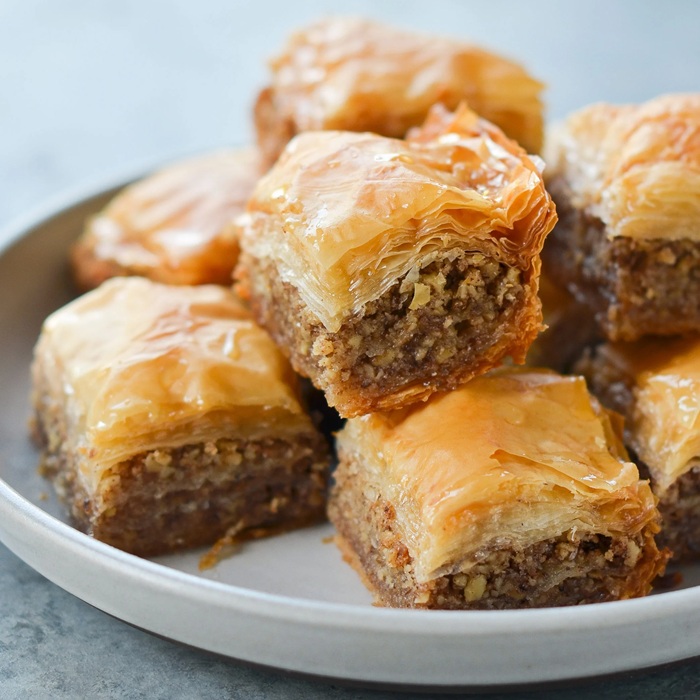
Picture a Sunday afternoon: the scent of butter and cinnamon fills your kitchen, and a tray of golden baklava emerges from the oven, its syrup glistening. This isn't just any baklava—it's a luxurious twist on the Turkish classic, layered with spiced walnuts, pecans, and almonds, creamy ricotta, and dark chocolate. While it may seem like a special-occasion treat, it's actually a meal-prep superstar. By making a batch ahead, you can enjoy a piece with your morning coffee, pack it for a potluck, or satisfy a midnight craving without lifting a finger. In this article, we'll explore how this showstopper fits into a realistic, balanced diet. You'll learn batch-cooking strategies, storage tips that keep the phyllo crisp, and clever ways to portion and plan. We'll also dive into the cultural heritage of baklava, the science behind its texture, and a pro tip for perfect syrup absorption. Get ready to reimagine this iconic dessert as a convenient, make-ahead delight that brings a touch of indulgence to your weekly routine.
The Make-Ahead Magic of Baklava
Baklava is inherently meal-prep friendly because it improves with time. After baking, the syrup needs hours to soak into the layers, and the flavors meld overnight. In fact, many Turkish households let baklava rest for 24 hours before serving. This means you can bake on Sunday and enjoy perfect pieces all week. The phyllo stays crisp for days if stored properly, and the filling's spiced nuts and chocolate actually deepen in flavor. For batch cooking, assemble the baklava in a disposable aluminum pan, pour over the syrup, and freeze before baking. Then, bake from frozen whenever you need a fresh batch. This method saves you from last-minute stress and ensures you always have a homemade treat on hand. Plus, making a large tray is hardly more work than a small one, so you can stock up for weeks.
Storage Secrets for Crisp Phyllo
The biggest challenge with baklava is keeping the phyllo crisp. Moisture is the enemy, so proper storage is key. Once cooled, cut the baklava into portions and store in an airtight container at room temperature for up to five days. Place a paper towel between layers to absorb excess moisture. For longer storage, freeze individual pieces wrapped tightly in plastic wrap, then in a freezer bag. To revive, thaw at room temperature for 30 minutes, then warm in a 300°F oven for 5-7 minutes—this restores the just-baked texture. Avoid refrigerating, as the cold can make the phyllo soggy. If you must refrigerate, let it come to room temperature before serving. These simple steps ensure every bite is as flaky as the day it was made.
A Sweet History: Baklava's Journey
Baklava's origins are debated, but most food historians trace it to the Ottoman Empire, where it was perfected in the imperial kitchens of Topkapi Palace. The name may derive from the Turkish word 'baklağı' (to wrap) or from the Mongolian 'baqlawa'. By the 15th century, baklava was a status symbol, reserved for the sultan and his court. The addition of nuts and syrup reflected the wealth of the empire, and the dessert spread across the Middle East, Balkans, and North Africa. In Turkey, baklava is a symbol of hospitality, often served at weddings and holidays. Our version, with ricotta and chocolate, is a modern twist, but it honors the tradition of layering and generosity. Understanding this heritage makes each batch feel like a connection to centuries of culinary artistry.
Pro Tip: The Two-Pour Syrup Method
Most home cooks pour hot syrup over hot baklava, but for a perfectly crisp result, try the two-pour method. First, bake the baklava until golden and let it cool for 10 minutes. Then, pour half the cooled syrup evenly over the top, wait 5 minutes, and pour the remaining syrup. This gradual absorption prevents the phyllo from becoming soggy and allows the syrup to penetrate evenly. Also, ensure your syrup is at room temperature—hot syrup on hot baklava creates steam, which softens the layers. For an extra flavor boost, add a strip of lemon peel to the syrup while it simmers; it infuses the syrup with a bright, citrusy note that complements the chocolate and nuts beautifully.
Baklava in a Balanced Diet
Baklava is rich, but it can absolutely fit into a balanced diet. The key is portion control and mindful enjoyment. A single piece (about 1/12 of a 9x13-inch pan) contains roughly 250 calories, 4 grams of protein, and 2 grams of fiber from the nuts. The nuts provide healthy fats and the ricotta adds a bit of protein, making it more satisfying than empty-calorie desserts. Pair a piece with Greek yogurt or a handful of fresh fruit to add protein and fiber. Recent nutrition research emphasizes that desserts can be part of a healthy lifestyle when enjoyed in moderation. By batch-cooking and freezing portions, you can savor a small piece without overindulging. This approach turns baklava from a guilty pleasure into a planned, pleasurable treat.
Frequently Asked Questions
Q: Can I make baklava ahead and freeze it? A: Yes, assemble the baklava in a freezer-safe pan, pour over the syrup, and freeze unbaked for up to 3 months. Bake from frozen at 350°F for 45-50 minutes until golden. Q: How do I prevent the phyllo from becoming soggy? A: Keep phyllo covered with a damp towel while working, brush each layer generously with butter, and use the two-pour syrup method. Also, store baked baklava at room temperature in an airtight container. Q: Is baklava healthy? A: In moderation, yes. It contains nuts for healthy fats and some protein from ricotta. Portion control is key—enjoy a small piece as part of a balanced meal.
Key Takeaways
Baklava with spiced nuts, ricotta, and chocolate is more than a dessert—it's a meal-prep ally. Bake a batch on the weekend and store it properly to enjoy crisp, flaky pieces all week. Freeze unbaked trays for future cravings, and always use the two-pour syrup method for perfect texture. Remember that portion control and pairing with protein or fruit can make this indulgent treat part of a balanced diet. The rich history of baklava adds a layer of appreciation to every bite. So, preheat your oven, gather your ingredients, and embrace the joy of having homemade baklava ready when you need it. Your future self will thank you.
Try these recipes on DishIndex
Explore baklava recipes and more