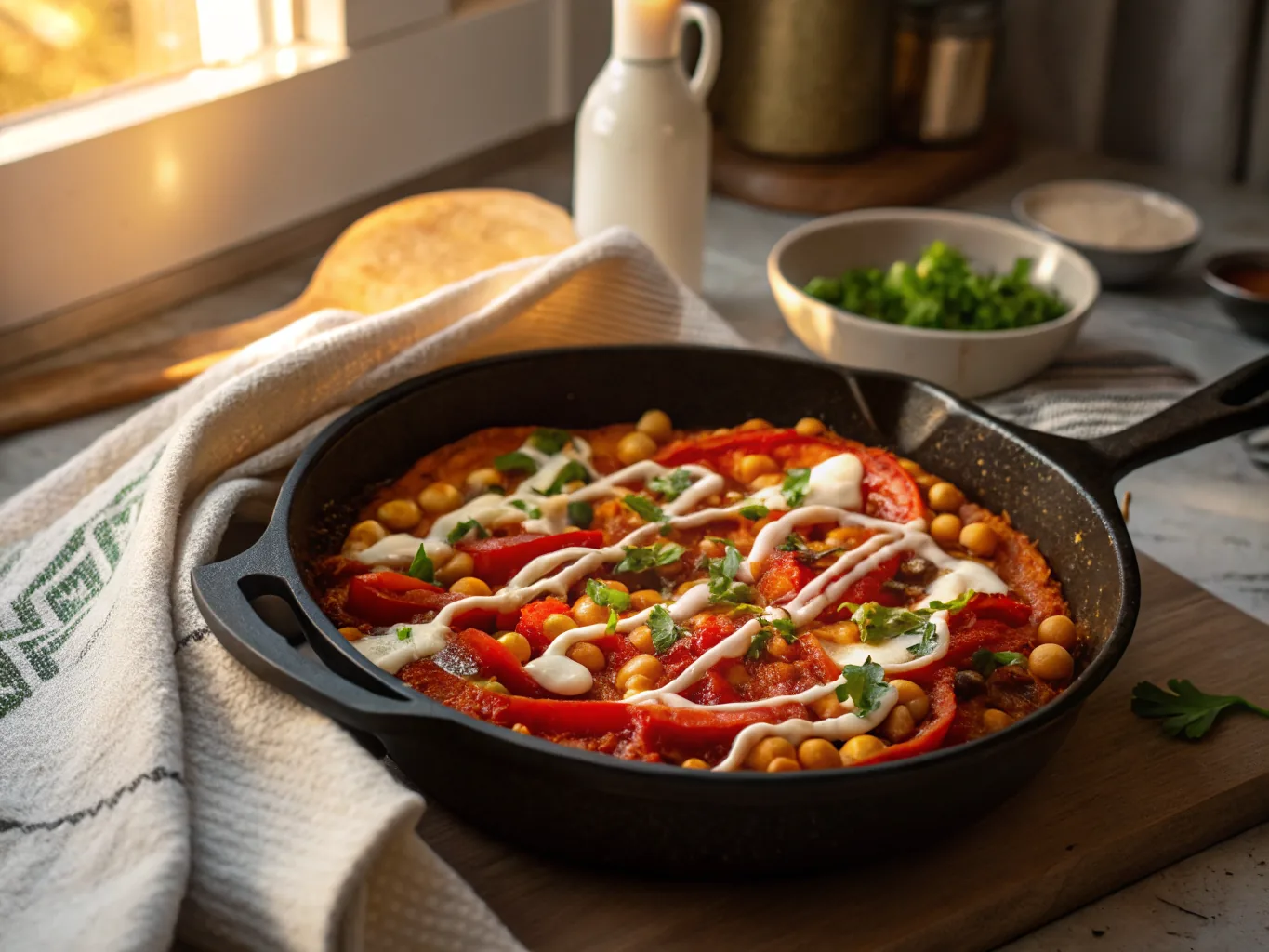
Imagine waking up to the scent of cumin and smoked paprika drifting from the kitchen, where a cast-iron skillet bubbles with a rich, rustic tomato sauce swirled with roasted red peppers and tender chickpeas. This isn't just shakshuka—it's a Mediterranean morning hug. But behind that effortless allure lies a series of precise techniques that separate a good shakshuka from a transcendent one. The difference between a watery, bland sauce and a thick, flavor-packed one comes down to moisture control, heat management, and the order of operations. The eggs must be cooked just until the whites set but the yolks remain gloriously runny, a feat that requires a gentle hand and a watchful eye. And that creamy, nutty drizzle of tahini with a squeeze of lemon? It's not an afterthought—it's a carefully balanced emulsion that cuts through the warmth and ties everything together. In this article, I'll share the chef-level tips and culinary science that will elevate your shakshuka from a simple breakfast to a celebratory dish. You'll learn how to avoid common pitfalls, from burning the spices to overcooking the eggs, and discover the secrets to achieving a perfectly thick sauce and a silky tahini drizzle every time. Get ready to transport your kitchen to a sun-drenched terrace overlooking the sea.
The Science of a Rich, Thick Sauce
The foundation of any great shakshuka is a sauce that clings to the chickpeas and cradles the eggs without turning watery. This is where the culinary science of moisture control comes into play. Tomatoes, especially canned varieties, contain a significant amount of water—often around 90%. When you add them to the skillet, that water needs to evaporate to concentrate flavors and thicken the sauce. Chefs achieve this by cooking the sauce uncovered over medium heat, allowing steam to escape. But there's a trick: adding a pinch of sugar can help balance acidity and encourage caramelization, while a slow simmer for at least 15 minutes allows the natural pectins in the tomatoes to break down and thicken the mixture. Another common mistake is overcrowding the pan with too many chickpeas; they release starch that can make the sauce gluey. Instead, use just enough to provide texture without overwhelming the sauce. Finally, the order of ingredients matters: sautéing the onions and peppers until they're deeply caramelized builds a sweet, savory base that adds body and depth. Skipping this step results in a thin, less flavorful sauce. By mastering these techniques, you'll create a sauce that's robust enough to hold its own against the eggs and the tahini drizzle.
Eggs: The Art of the Runny Yolk
Cooking eggs in shakshuka is a delicate dance. The goal is to set the whites fully while keeping the yolks liquid and warm. The most common mistake home cooks make is cracking the eggs directly into a boiling sauce, which can cause the whites to spread and the yolks to overcook. Instead, use a technique favored by chefs: create small wells in the sauce with the back of a spoon, then crack each egg into a small bowl and gently slide it into the well. This prevents the eggs from merging and ensures even cooking. Lower the heat to a gentle simmer, cover the skillet, and cook for 5 to 8 minutes. The trapped steam helps set the whites from above, while the gentle heat from below cooks the yolks slowly. For extra insurance, you can add a splash of water to the pan before covering—the steam will accelerate white-setting without toughening the yolks. If you prefer firmer yolks, cook a minute or two longer, but keep in mind that the residual heat will continue to cook the eggs after you remove the pan from the stove. Always serve immediately; shakshuka waits for no one. And remember, the eggs will continue to cook in the hot sauce, so err on the side of undercooking them slightly for that perfect runny center.
Tahini Drizzle: The Emulsion That Elevates
The lemon-tahini drizzle is the crowning glory of this dish, but it's also where many cooks stumble. Tahini, a paste made from ground sesame seeds, is notoriously prone to seizing when mixed with water or lemon juice—it turns thick and clumpy instead of creamy. The secret to a silky drizzle lies in the technique: start by whisking the tahini alone until it's smooth, then add lemon juice and water gradually, a teaspoon at a time, while whisking constantly. The acid from the lemon and the water create an emulsion, transforming the paste into a fluid, pourable sauce. A pinch of salt and a grated garlic clove can add depth, but be careful not to overwhelm the delicate sesame flavor. In the Mediterranean, tahini is often paired with lemon and garlic as a condiment for fish and vegetables, but in shakshuka it provides a cool, nutty contrast to the spicy tomato sauce. For the best results, use a high-quality tahini with a runny consistency—some brands are thicker than others. If your tahini is very thick, you may need to add more water. The drizzle should be thin enough to swirl over the eggs but thick enough to cling to the spoon. Make it just before serving to prevent it from drying out, and drizzle it in a zigzag pattern for a beautiful presentation.
Pro Tip: Toast and Bloom Your Spices
The difference between a bland shakshuka and one that sings with flavor often comes down to how you handle the spices. Cumin and smoked paprika are the backbone of this dish, but their volatile oils—the compounds responsible for their aroma—are locked inside the ground powder. To release them, you must bloom the spices in hot oil. But there's a fine line between blooming and burning: burnt spices turn acrid and bitter, ruining the entire dish. The pro tip is to toast the spices briefly in a dry pan first, then add them to the oil after the onions and peppers have softened. This two-step process ensures even toasting without scorching. Alternatively, you can make a spice paste by mixing the ground spices with a little water or oil before adding them to the pan—this prevents them from burning and allows them to distribute evenly. Another chef-level trick: add a pinch of cinnamon or a teaspoon of harissa for a nuanced heat. And always add the spices before the tomatoes; the acidity of the tomatoes can inhibit the blooming process. By taking this extra minute, you'll unlock a depth of flavor that will make your shakshuka taste like it came from a professional kitchen.
Shakshuka's Journey: From Tunisian Kitchens to Global Brunch
Shakshuka, which means 'a mixture' in Arabic, has a rich history that spans North Africa and the Middle East. Its origins are often traced to Tunisia, where it was originally a simple dish of sautéed peppers, tomatoes, and onions, sometimes with merguez sausage or lamb. The eggs were added later, likely in the early 20th century, as a way to stretch the meal and add protein. Jewish immigrants from Tunisia brought shakshuka to Israel, where it became a staple of the Israeli breakfast table and eventually a national dish. Today, shakshuka is enjoyed worldwide, with countless variations—from the spicy Libyan version with harissa to the green shakshuka made with spinach and feta. The addition of chickpeas, as in this recipe, is a Mediterranean twist that adds substance and makes the dish a complete meal. The lemon-tahini drizzle, too, reflects the region's love of tahini, which is used in everything from hummus to halva. Understanding this history adds a layer of appreciation: each bite is a taste of centuries of culinary tradition, a testament to the ingenuity of cooks who transformed simple ingredients into a dish that nourishes body and soul. When you make shakshuka, you're not just cooking breakfast—you're participating in a story that spans continents and generations.
Frequently Asked Questions
Q: Can I make shakshuka ahead of time? A: You can prepare the sauce up to three days in advance and refrigerate it. When ready to serve, reheat the sauce in a skillet, then add the eggs and cook as directed. This makes it a great option for entertaining. Q: How do I prevent the sauce from becoming too watery? A: The key is to simmer the sauce uncovered until it thickens, which can take 15 to 20 minutes. Also, use canned tomatoes with less liquid or drain them slightly. Adding a tablespoon of tomato paste can help thicken it further. Q: What can I use instead of chickpeas? A: If you're not a fan of chickpeas, you can substitute white beans, lentils, or even cubed potatoes for a heartier version. For a lower-carb option, try sautéed mushrooms or zucchini. The cooking times may vary, so adjust accordingly.
Key Takeaways
To achieve a rich, thick sauce, cook it uncovered over medium heat for at least 15 minutes, allowing moisture to evaporate and flavors to concentrate. Always bloom your spices in oil to release their aromatic oils, but be careful not to burn them—add them after the vegetables have softened. For perfectly runny yolks, create wells in the sauce, crack each egg into a small bowl first, and cook covered over low heat for 5 to 8 minutes. Make the lemon-tahini drizzle just before serving by whisking tahini with lemon juice and water gradually until silky. Finally, remember that shakshuka is best enjoyed immediately, so gather your diners and serve it straight from the skillet with plenty of crusty bread for dipping. With these tips, you'll turn a simple Mediterranean dish into a show-stopping meal that feels both effortless and celebratory.
Try these recipes on DishIndex
Explore shakshuka recipes and more