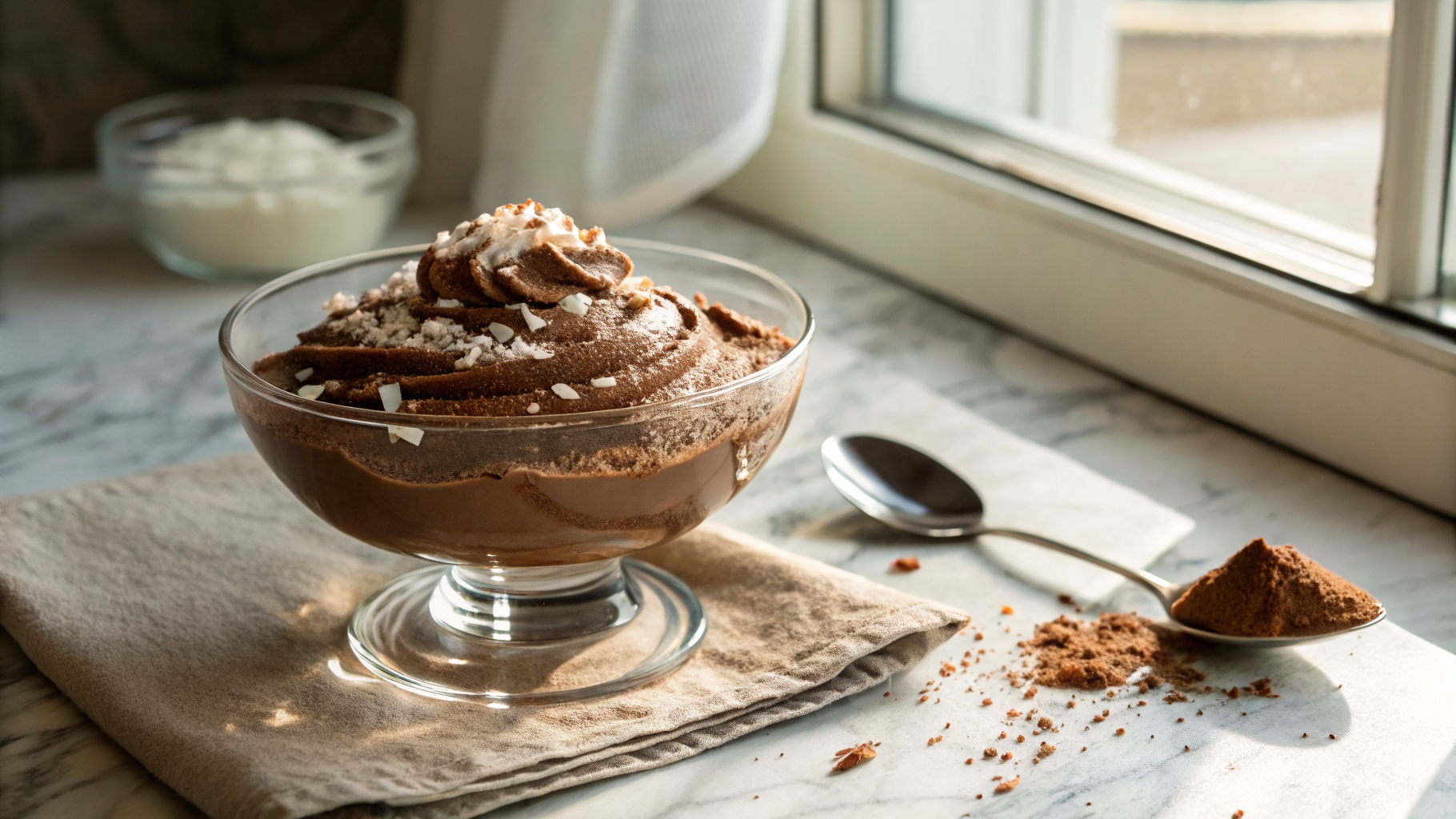
Picture this: You're standing in front of an open fridge, craving something sweet but dreading the sugar crash. Your eyes land on a tub of cottage cheese and a tin of cocoa powder—two ingredients that seem destined for a savory fate. But in the blender, they become something miraculous: a silky, decadent chocolate mousse that rivals any French patisserie creation. This isn't a trick; it's a culinary revolution. The high-protein cottage cheese chocolate mousse has taken over social media feeds and meal prep containers alike, and for good reason. With over 20 grams of protein per serving and zero refined sugar, it satisfies your chocolate cravings while fueling your body. In this article, I'll walk you through the science behind the texture, the best techniques for achieving that mousse-like consistency, and how to integrate this powerhouse dessert into your weekly meal prep. Whether you're a fitness enthusiast or a busy parent looking for a quick treat, this recipe will change the way you think about healthy desserts.
The Science of Silky: Why Cottage Cheese Works
The magic of this mousse lies in the unique structure of cottage cheese. Full-fat cottage cheese, especially small curd, contains a high proportion of casein protein, which, when blended, creates a stable emulsion that traps air. This is why it transforms into a mousse-like texture rather than a gritty puree. The key is to blend it thoroughly—at least two minutes in a high-speed blender—until completely smooth. The addition of cocoa powder not only provides rich chocolate flavor but also contains pectin and fiber that help stabilize the foam. For optimal creaminess, use full-fat cottage cheese (4% milkfat) and avoid low-fat versions, which can result in a watery mousse. Interestingly, this technique mirrors the traditional French method of using egg whites and cream, but here the protein from dairy does the heavy lifting. The result is a dessert that's not only healthier but also more stable—it holds its shape for days in the fridge without weeping.
Customizing Your Mousse: Sweetness and Flavor Variations
While the base recipe requires only cottage cheese and cocoa powder, a few additions can elevate it without compromising its clean profile. For sweetness, a tablespoon of honey or maple syrup adds depth, but it's optional—the natural sweetness of high-quality cocoa powder can be enough. A pinch of sea salt heightens the chocolate flavor, and a drop of vanilla extract rounds out the taste. For a mocha twist, add a teaspoon of instant espresso powder. The beauty of this mousse is its adaptability: you can fold in melted dark chocolate for a richer version, or swirl in peanut butter for a nutty contrast. When meal prepping, consider portioning the mousse into small jars and topping with fresh berries or a sprinkle of cacao nibs for crunch. Because the mousse keeps well for up to five days in the fridge, you can make a batch on Sunday and enjoy a guilt-free dessert every night. Just be sure to stir before serving if any separation occurs—though with full-fat cottage cheese, this is rare.
From Curds to Canvas: The Cultural Journey of Cottage Cheese
Cottage cheese's history is as humble as its ingredients. Originating in Eastern Europe and the British Isles centuries ago, it was traditionally made by letting milk naturally sour and then heating it until curds formed—a method born from necessity rather than culinary ambition. In America, cottage cheese became a staple of diet culture in the mid-20th century, often eaten plain or with fruit. But its reputation as a bland, utilitarian food is being rewritten by a new generation of home cooks and food influencers. The viral chocolate mousse is a perfect example of how social media can reimagine traditional ingredients. It taps into the broader trend of high-protein, low-sugar eating that prioritizes satiety and muscle recovery. In many ways, this dish is a bridge between old-world frugality and modern nutritional science—proof that the most basic ingredients can yield extraordinary results when approached with creativity.
Pro Tip: The Blending Technique for Perfect Texture
The single most important step for achieving a mousse-like consistency is the order of blending. Start by adding the cottage cheese to your blender first, then the cocoa powder, and any other ingredients. Blend on low for 15 seconds to combine, then crank it to high for at least 90 seconds. This prevents the cocoa powder from flying up and sticking to the lid. For an extra-fluffy texture, after blending, transfer the mixture to a bowl and fold in one stiffly beaten egg white (if not vegetarian) or a tablespoon of aquafaba. This adds air without altering the flavor. Another insider trick: chill the blender jar for 10 minutes before blending—cold ingredients emulsify better. And never use a food processor; it introduces too much air and can make the mousse grainy. A high-speed blender like a Vitamix or Ninja is ideal, but a regular blender works if you scrape down the sides every 30 seconds.
Why This Dessert Fits Perfectly Into Modern Meal Prep
In the era of macro counting and time scarcity, this mousse is a meal prep dream. It takes less than 10 minutes to make, requires no cooking, and can be stored in individual servings for grab-and-go convenience. Each serving packs around 20 grams of protein, making it an excellent post-workout recovery snack or a satisfying dessert that won't spike blood sugar. Nutritionally, the combination of casein protein (slow-digesting) from cottage cheese and the antioxidants in cocoa powder supports muscle repair and reduces inflammation. For those following a vegetarian, gluten-free, or low-carb lifestyle, it's a versatile option. You can easily adjust macros by choosing sweeteners or adding protein powder. In a balanced diet, this mousse serves as a tool for portion control—because it's rich and satisfying, a small serving is enough to curb cravings. I recommend making a double batch on Sunday and portioning into 4-ounce jars; they'll keep in the fridge for up to five days, though they rarely last that long.
Frequently Asked Questions
Q: Can I use low-fat or fat-free cottage cheese? A: Full-fat cottage cheese gives the creamiest texture; low-fat versions may result in a thinner, less stable mousse. If you must use low-fat, try adding a tablespoon of Greek yogurt for body. Q: Will the cocoa powder make it bitter? A: Use high-quality unsweetened cocoa powder; Dutch-processed is smoother and less acidic. If you prefer sweeter, add a tablespoon of honey or maple syrup. Q: How long does it keep in the fridge? A: Stored in an airtight container, it stays fresh for up to 5 days. Stir before serving if any separation occurs.
Key Takeaways
This viral dessert proves that indulgence and nutrition can coexist. Start with full-fat cottage cheese for the creamiest results and blend thoroughly for a mousse-like texture. Customize with natural sweeteners and flavorings to suit your palate, and don't skip the pinch of salt—it enhances the chocolate. For meal prep, portion into individual jars and store for up to five days. Embrace the versatility: this mousse works as a dessert, snack, or even a frosting for healthy cakes. Most importantly, let this recipe inspire you to see everyday ingredients through a new lens—sometimes the most extraordinary creations come from the simplest beginnings.
Try these recipes on DishIndex
Explore high protein desserts recipes and more