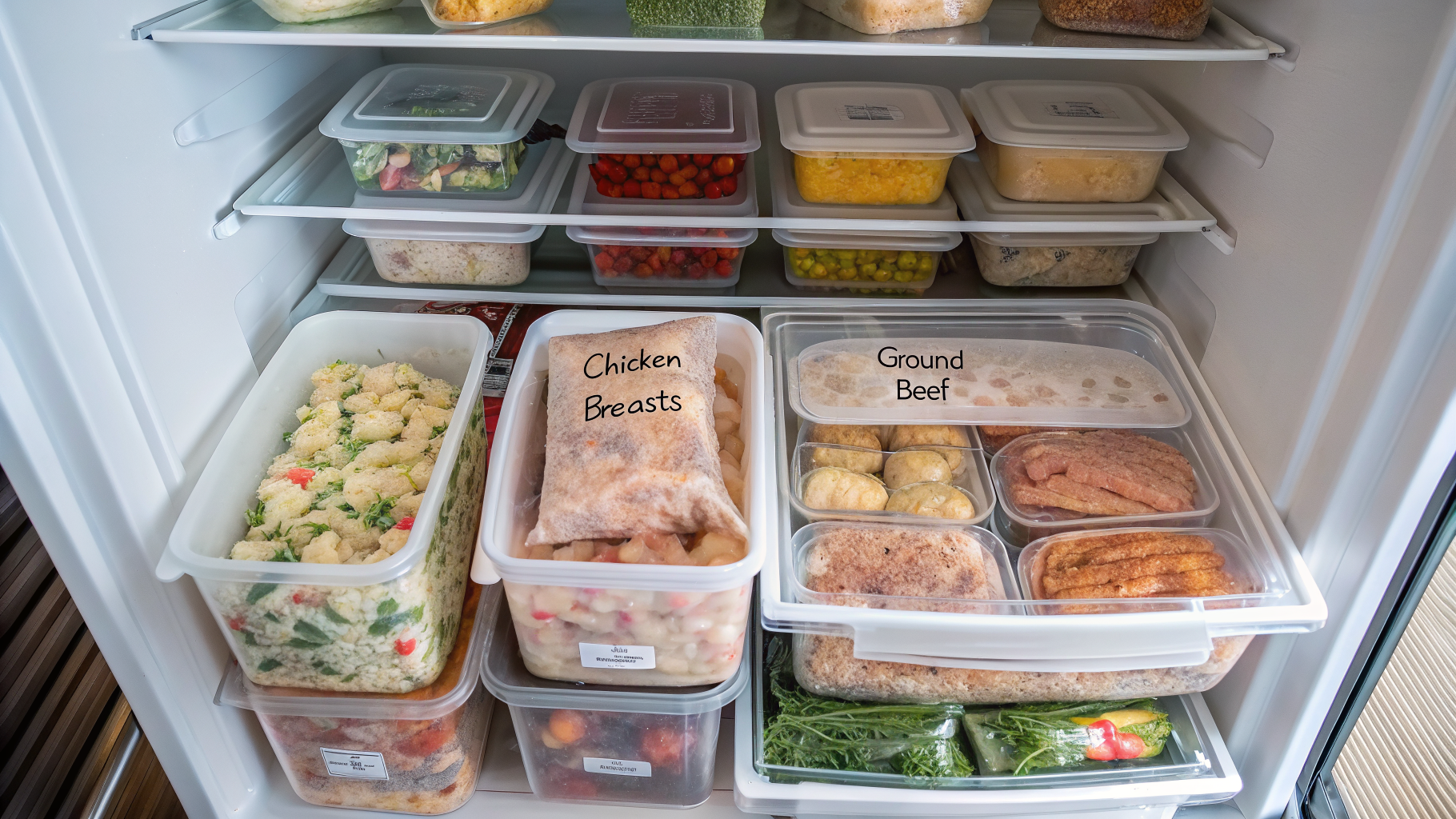
Picture this: a mid-January dinner featuring sweet summer corn, vibrant basil pesto, and juicy ripe tomatoes—all from your own freezer. Freezing isn't just about preserving leftovers; it's a powerful tool for reducing food waste, supporting local agriculture, and enjoying peak-season flavors every day. In the United States, nearly 40% of food is wasted annually, much of it fresh produce that spoils before we can eat it. By freezing strategically, you can cut that waste dramatically while saving money and time. This guide will show you which foods freeze best, how to prepare them correctly, and expert tips to maintain texture and taste. Whether you're a seasoned prepper or a freezer novice, you'll discover how to turn your freezer into a treasure trove of sustainability.
The Best Foods to Freeze: Fruits and Vegetables
Not all produce freezes equally. High-water-content vegetables like lettuce, cucumber, and radishes turn mushy due to ice crystal formation damaging cell walls. However, many fruits and vegetables excel when frozen properly. Berries—blueberries, strawberries, raspberries—can be frozen without blanching; just wash, dry, and spread on a tray until solid, then transfer to airtight bags. They retain flavor and nutrients for up to a year. Cruciferous vegetables like broccoli, cauliflower, and Brussels sprouts require blanching: dip in boiling water for 2-3 minutes, then shock in ice water to stop enzyme activity that causes off-flavors. This step is crucial for preserving color, texture, and vitamins. According to the USDA, blanching reduces vitamin C loss by up to 30% compared to freezing raw. Root vegetables like carrots and parsnips also benefit from blanching, while bell peppers and onions can be chopped and frozen raw for convenient cooking additions.
How to Freeze Meat, Poultry, and Seafood Safely
Freezing protein is straightforward, but proper packaging prevents freezer burn—the dehydration and oxidation that cause dry, discolored patches. Vacuum sealing is ideal, but you can also wrap tightly in plastic wrap, then aluminum foil, or use freezer-grade zip-top bags with all air pressed out. For ground meats, flatten them in bags to create thin patties that thaw quickly. Seafood demands extra care: fatty fish like salmon and mackerel freeze better than lean white fish, which can become dry. To preserve quality, freeze seafood at its peak freshness—ideally within 24 hours of purchase—and use within 3 months. A common mistake is freezing meat in its original supermarket packaging, which is permeable. Always rewrap. According to food safety guidelines, frozen meat remains safe indefinitely, but quality declines after 4-12 months depending on type. Label everything with the date and contents to avoid mystery packages.
The Cultural History of Food Preservation
Freezing as a preservation method is surprisingly modern. Before the 20th century, communities relied on salting, drying, fermenting, and root cellaring to survive winters. Clarence Birdseye, an American inventor, revolutionized food preservation in the 1920s after observing how fish froze instantly in the Arctic, retaining texture and flavor. He developed the quick-freezing process, which creates small ice crystals that don't damage cells. This innovation transformed global food systems, allowing seasonal produce to be enjoyed year-round and reducing regional food scarcity. In many cultures, freezing is now integral to food traditions: Italian households freeze batches of homemade pesto and tomato sauce; Japanese cooks freeze tofu to create a chewy texture; Indian families freeze spice pastes for quick curries. Understanding this history deepens our appreciation for freezing as a tool that connects us to seasonal cycles and ancestral wisdom.
Pro Tip: Blanching Timing and Ice Bath Precision
The most common home freezing mistake is skipping or miscalculating blanching times. Blanching isn't just about killing bacteria—it inactivates enzymes that cause loss of flavor, color, and nutrients over time. The exact time depends on the vegetable: green beans need 3 minutes, spinach 2 minutes, corn on the cob 4 minutes. Use a kitchen timer, not guesswork. After boiling, immediately plunge the vegetables into an ice water bath (ice cubes plus water) for the same amount of time. This stops cooking and sets the color. One trick: blanch in small batches to avoid dropping the water temperature too much. For leafy greens, use a basket or strainer for easy removal. If you skip this step, you'll end up with bland, mushy vegetables that lack vibrancy. Properly blanched vegetables taste almost as fresh as the day they were picked.
The Environmental Impact of Home Freezing
Freezing is a sustainability win when done thoughtfully. A chest freezer uses about 300-400 kWh per year, costing roughly $40-50, and its environmental footprint depends on your energy source. However, the waste reduction benefits often outweigh the energy cost. According to the EPA, food waste in landfills generates methane, a potent greenhouse gas. By freezing surplus produce, you prevent that waste and extend the life of food that required water, land, and labor to grow. For maximum eco-benefit, freeze local and seasonal foods—this reduces the carbon footprint of out-of-season produce shipped from afar. Additionally, freezing in reusable glass containers or silicone bags cuts down on single-use plastics. Modern freezers are more energy-efficient than older models; keeping them full (using water bottles as fillers) maintains temperature and reduces energy use. Freezing is a small but impactful step toward a more sustainable kitchen.
Frequently Asked Questions
Q: How long can I keep frozen food? A: For best quality, use fruits and vegetables within 8-12 months, meat within 4-12 months, and cooked leftovers within 2-3 months. Safety-wise, frozen food lasts indefinitely if kept at 0°F. Q: Can I freeze dairy products? A: Yes, but with caveats. Hard cheeses like cheddar freeze well (grate first for easy use). Milk and cream can be frozen but may separate when thawed—use for cooking rather than drinking. Yogurt becomes grainy; use in smoothies. Q: Do I need to thaw frozen vegetables before cooking? A: Usually no. Most frozen vegetables can be cooked directly from frozen, which helps retain nutrients. For leafy greens like spinach, add frozen directly to soups or sauces. For stir-fries, cook over high heat to avoid sogginess.
Key Takeaways
Freezing is an essential skill for reducing food waste and enjoying seasonal ingredients all year. Start by choosing the right foods: berries, blanched vegetables, properly wrapped meats, and prepared meals freeze best. Always blanch vegetables to preserve quality, and package proteins airtight to prevent freezer burn. Label everything with dates and contents to avoid confusion. Remember that frozen food is safe indefinitely but quality declines over time, so rotate stock. Embrace freezing as a sustainable practice: it saves money, cuts waste, and supports local food systems. With these techniques, your freezer becomes a strategic tool for a greener, more delicious kitchen.
Try these recipes on DishIndex
Explore freezer-friendly meals recipes and more