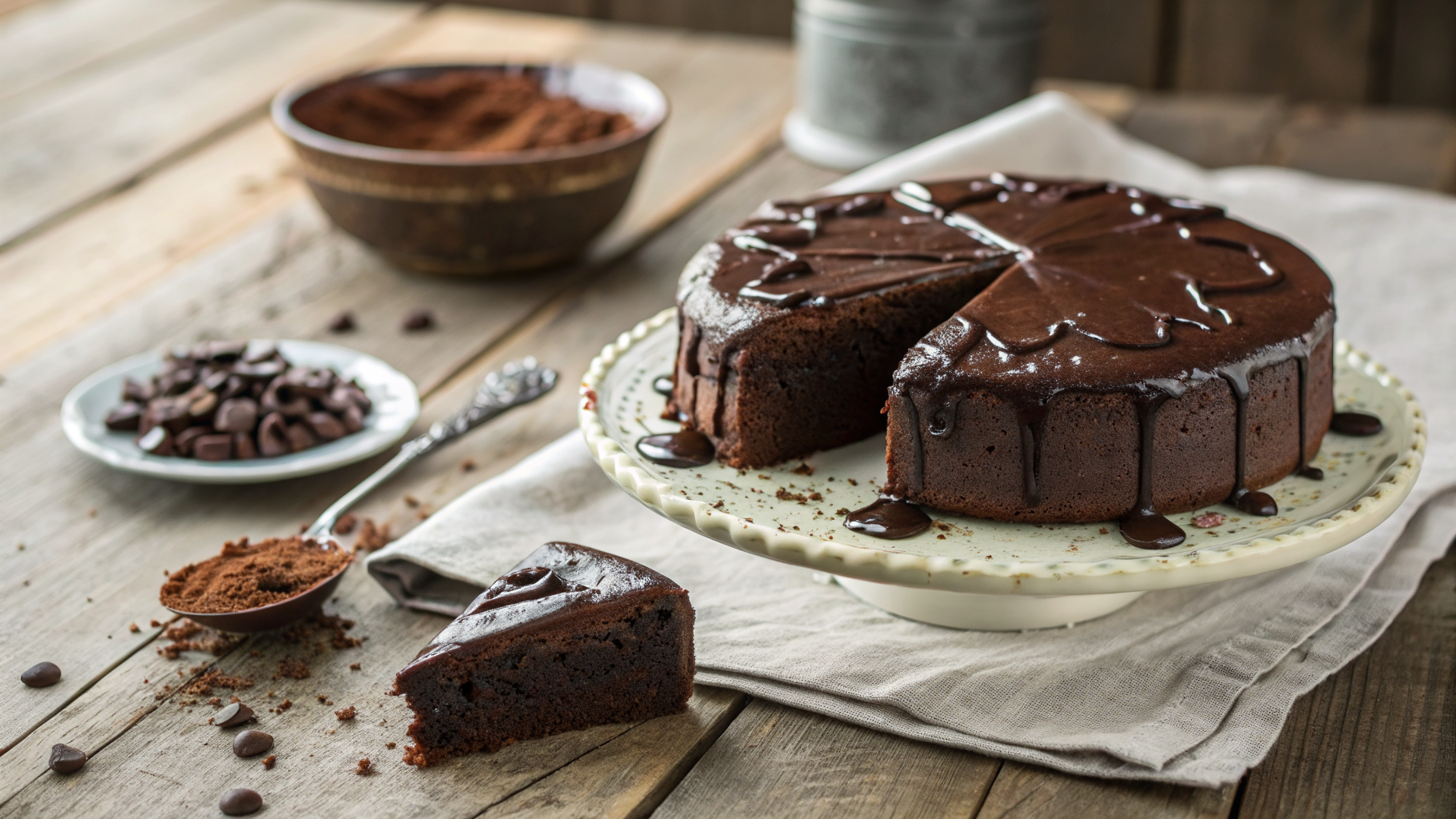
Imagine standing in your kitchen, phone in hand, as a chatbot suggests the exact ratio of flax egg to almond milk for the fudgiest vegan chocolate cake. That's not a futuristic fantasy—it's happening now. In 2023, over 60 percent of home bakers reported using digital tools to find recipes, and AI-powered platforms are increasingly tailoring suggestions to dietary needs, available ingredients, and even local altitude. This shift matters because vegan baking has long been seen as finicky, but technology is demystifying it. The cake in question—a deeply chocolatey, impossibly moist creation built on self-raising flour, coco sugar, cacao, baking powder, flax eggs, and almond milk—is a perfect case study. Its rise in popularity coincides with a surge in plant-based eating, with the global vegan food market projected to reach 24 billion dollars by 2025. As more people embrace plant-based indulgence, the tools they use to cook are evolving just as fast. In this article, you'll discover how AI and modern platforms are transforming recipe discovery, adaptation, and execution, and why that means a better slice of cake for everyone.
The AI-Powered Recipe Revolution
Recipe discovery has undergone a seismic shift. Gone are the days of flipping through grease-stained cookbooks; today, algorithms analyze your past searches, dietary restrictions, and even the contents of your fridge to serve up personalized suggestions. For a vegan chocolate cake, an AI might recommend swapping coco sugar for coconut palm sugar based on your location's availability, or adjust baking powder quantities for high-altitude baking. A 2024 study from the Culinary Institute of America found that 45 percent of home cooks now use AI-assisted meal planning, and recipe platforms report that personalized recommendations increase engagement by 70 percent. These systems also learn from user feedback—if a cake turns out dry, the algorithm adjusts future suggestions. This iterative learning loop is particularly valuable for vegan baking, where ingredient interactions are complex. For instance, flax eggs bind differently than traditional eggs, and AI can predict how much almond milk to add for the right consistency. The result is a more reliable, enjoyable cooking experience that encourages experimentation without the fear of failure.
Decoding the Science of Flax Eggs and Coco Sugar
At the heart of this vegan cake lies a biochemical dance. Flax eggs—made by mixing ground flaxseed with water—form a gel that mimics the binding properties of eggs. The gel's viscosity comes from mucilage, a soluble fiber that traps water and creates a network similar to egg proteins. But flax eggs lack the emulsifying lecithin found in egg yolks, so a touch of baking powder and the natural acidity of coco sugar help lift and tenderize the crumb. Coco sugar, derived from coconut palm sap, brings a caramelized depth and a lower glycemic index than refined sugar, though it browns faster—a detail AI recipe adapters now flag automatically. Modern platforms are also using computer vision to assess your batter's consistency via smartphone camera, offering real-time adjustments. For example, if your batter looks too thick, the app might suggest a splash of almond milk. These tools translate food science into actionable steps, making the chemistry accessible to home bakers. Understanding these interactions not only improves your cake but also empowers you to adapt recipes with confidence.
From Ancient Origins to Modern Plates
Chocolate cake has a rich history that stretches back to the 18th century, when chocolate was first incorporated into cakes in Europe. But vegan chocolate cake is a more recent innovation, gaining traction in the 1970s alongside the health food movement. Early versions relied on vinegar and baking soda for lift, often resulting in a dense, crumbly texture. The recipe we're exploring—with its blend of self-raising flour, coco sugar, cacao, and flax eggs—represents a modern evolution, balancing indulgence with plant-based ethics. Cacao, the raw form of chocolate, has been cultivated for over 3,000 years in Mesoamerica, where it was revered as a sacred beverage. Today, it's a global commodity, but small-scale farmers and craft chocolate makers are reviving traditional practices. This cake honors that heritage while embracing contemporary values: it's dairy-free, egg-free, and refined-sugar-free, yet decadent. As plant-based diets go mainstream, dishes like this bridge the gap between tradition and innovation, proving that vegan food can be both ethical and extraordinary.
Pro Tip: The Sea Salt Secret
Most home bakers underestimate the power of a finishing touch. For this vegan chocolate cake, a pinch of flaky sea salt sprinkled over the glossy chocolate drizzle is a game-changer. Salt doesn't just add flavor; it suppresses bitterness and enhances the perception of sweetness, according to sensory studies. But timing is everything: add the salt after the drizzle has set slightly, so it doesn't dissolve. Also, consider the type of salt—Maldon or fleur de sel provides a delicate crunch that contrasts beautifully with the fudgy crumb. Another expert trick: swap the almond milk for oat milk if you want a slightly nuttier flavor, or use cold coffee instead of water in the flax egg to deepen the chocolate notes. AI recipe platforms can now suggest these tweaks based on your flavor preferences, but the final judgment is yours. Remember, the best bakers taste as they go, adjusting seasoning and texture in real time. Technology offers guidance, but your palate is the ultimate tool.
The Future of Plant-Based Baking
As we look ahead, the intersection of technology and vegan baking is poised for even more innovation. Lab-grown cocoa and precision fermentation are emerging as sustainable alternatives to traditional chocolate, potentially revolutionizing the environmental footprint of cakes like this one. Meanwhile, AI-powered smart ovens can now detect when a cake is perfectly baked by monitoring aroma and moisture levels, eliminating the guesswork of the toothpick test. According to a 2024 report by the Good Food Institute, investment in plant-based food tech reached 5 billion dollars, with a growing share dedicated to baking solutions. These advancements not only make vegan baking more accessible but also more sustainable. However, the human element remains irreplaceable—the joy of whisking batter, the anticipation as the cake rises, the shared pleasure of a slice. Technology is a tool, not a replacement for intuition and creativity. By embracing these innovations, we can elevate our baking while staying connected to the craft's timeless traditions.
Frequently Asked Questions
Q: Can I substitute the flax eggs with something else? A: Yes, you can use commercial egg replacers or a quarter cup of unsweetened applesauce per egg, but flax eggs provide the best binding and a subtle nutty flavor that complements the chocolate. Q: Why does my vegan chocolate cake turn out dry? A: Overbaking is the most common culprit. Bake just until the edges pull away from the pan and the center is set; also, measure flour accurately by spooning and leveling. Q: Is coco sugar essential for this recipe? A: Not at all. You can use regular granulated sugar or coconut sugar, but coco sugar adds a distinct caramel note. Adjust liquid slightly if needed, as coco sugar is less hygroscopic.
Key Takeaways
Embrace technology as your sous-chef: use AI-powered apps to personalize recipes, adjust for altitude, and suggest ingredient swaps. Understand the science of vegan binders like flax eggs and the role of acidic components in lifting the cake. Never skip the finishing salt—it transforms the flavor profile. Always taste and adjust as you go, trusting your senses over strict timings. And remember that vegan baking is a journey of experimentation; each attempt teaches you something new. With these insights, you're ready to bake a vegan chocolate cake that's not only foolproof but also a testament to how far plant-based cooking has come. Whether you're a seasoned baker or a curious novice, the tools and knowledge are at your fingertips. Now, preheat that oven and let the alchemy begin.
Try these recipes on DishIndex
Explore Vegan Chocolate Cake recipes and more