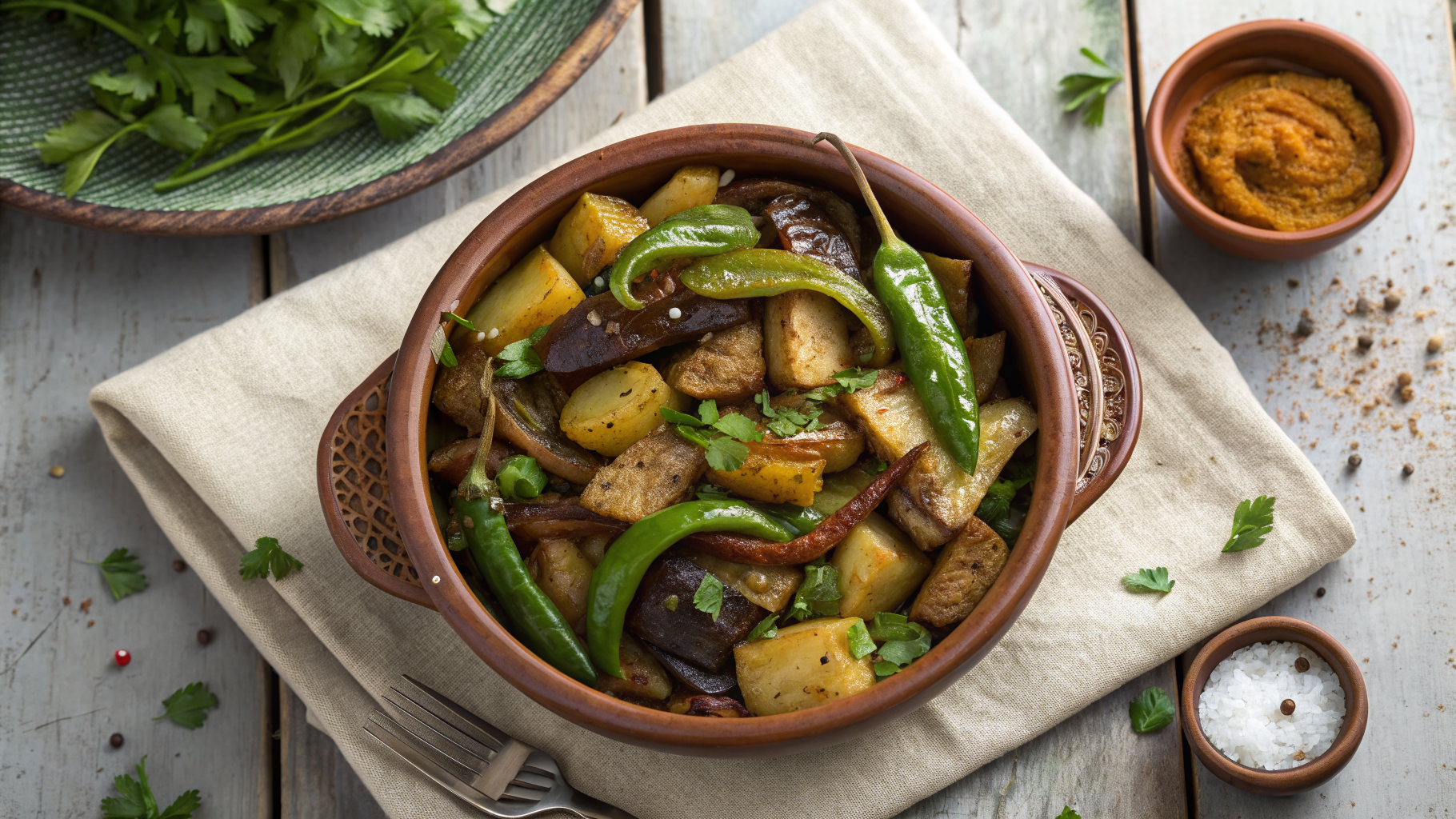
Imagine a dish that captures the soul of North African cooking: charred peppers, buttery eggplant, and crispy potatoes, all perfumed with ras el hanout and bound by golden olive oil. Kafteji is Tunisia's answer to comfort food, but here's the twist—it's also a nutritional juggernaut. While it may look like a simple vegetable fry, each ingredient brings a unique set of health benefits. Bell peppers are loaded with vitamin C, eggplant delivers fiber and antioxidants, and potatoes provide resistant starch. The spices, particularly ras el hanout, offer anti-inflammatory compounds. In a world where healthy eating often feels restrictive, kafteji proves that traditional dishes can be both satisfying and nourishing. In this article, we'll dive into the nutritional science behind kafteji, exploring how its components work together to support your health. You'll learn about macro and micronutrient profiles, the role of olive oil, and why this dish deserves a spot in your regular rotation. By the end, you'll see kafteji not just as a treat, but as a smart, delicious way to eat well.
The Nutritional Breakdown: Macros and Micronutrients
A typical serving of kafteji (about 1 cup) provides roughly 250-300 calories, with a balanced macronutrient profile: 35-40 grams of carbohydrates, 5-7 grams of protein, and 12-15 grams of fat, primarily from olive oil. The carbs come from potatoes and vegetables, offering sustained energy. Fiber content is impressive at 6-8 grams per serving, thanks to eggplant, peppers, and potatoes with skins. This fiber promotes gut health and helps regulate blood sugar. Micronutrient-wise, kafteji is a vitamin C powerhouse: one serving can supply over 100% of your daily needs, primarily from green peppers. Vitamin A from peppers and eggplant supports vision and immune function. Potassium from potatoes and eggplant aids blood pressure regulation. The dish also provides vitamin B6, folate, and vitamin K. Notably, the fat content is mostly monounsaturated fat from olive oil, which is linked to heart health. The combination of fiber and fat also slows digestion, keeping you fuller longer.
Ras el Hanout: The Spice Blend with Health Benefits
Ras el hanout, meaning 'head of the shop' in Arabic, is a complex spice blend that varies by region but typically includes cumin, coriander, cinnamon, ginger, turmeric, and cardamom. This blend isn't just flavor—it's a health booster. Turmeric contains curcumin, known for its anti-inflammatory properties. Cinnamon has been shown to improve insulin sensitivity. Cumin aids digestion and may boost metabolism. Ginger offers nausea relief and anti-inflammatory effects. In kafteji, ras el hanout is used sparingly, but even small amounts contribute to the dish's medicinal profile. Research suggests that regularly consuming spice blends can reduce oxidative stress and lower the risk of chronic diseases. The spices also add flavor without sodium, making kafteji a heart-healthy choice. When you cook kafteji, don't skip the ras el hanout—it's the nutritional and cultural soul of the dish.
The Cultural Roots of a Tunisian Staple
Kafteji hails from Tunisia, where it's a beloved street food and home-cooked meal. Its origins are humble: it was traditionally made with leftover vegetables, slow-cooked until tender and flavorful. The dish reflects Tunisia's culinary history, blending Berber, Arab, and Mediterranean influences. The name 'kafteji' may derive from the Tunisian Arabic word for 'mixed,' referring to the medley of vegetables. In Tunisia, kafteji is often served with bread, and sometimes topped with a fried egg or tuna for extra protein. It's particularly popular during Ramadan, when families break their fast with nourishing, comforting dishes. Over time, kafteji has evolved, but the core technique of charring and frying remains. It's a testament to the resourcefulness of Tunisian cooks, who transformed simple ingredients into a dish that's now celebrated for both its taste and its nutritional value.
Pro Tip: Maximize Nutrient Retention with Proper Cooking
Most home cooks lose valuable nutrients by overcooking vegetables. To preserve vitamins and antioxidants in kafteji, use a two-step method: first, char the peppers and eggplant over an open flame or under a broiler until skins blacken, then steam them in a covered bowl for 10 minutes. This makes peeling easy and retains water-soluble vitamins. For potatoes, fry them at a moderate temperature (around 350°F) to create a crispy exterior while keeping the inside fluffy—this also minimizes oil absorption. Finally, add ras el hanout off the heat, just before serving. The spices' volatile oils, which carry both flavor and health benefits, can degrade with high heat. By incorporating these techniques, you'll boost the nutritional punch of your kafteji while enhancing its flavor.
Kafteji in the Modern Health Conversation
As plant-forward diets gain popularity, kafteji fits perfectly into the trend. It's naturally vegetarian (and can be vegan if served without egg), yet hearty enough for meat-eaters. The dish aligns with the Mediterranean diet, which emphasizes vegetables, olive oil, and spices. Research on the Mediterranean diet consistently shows benefits for heart health, weight management, and longevity. Kafteji's high fiber and antioxidant content also support gut health and reduce inflammation. Moreover, the dish is budget-friendly and accessible, making it a practical choice for anyone looking to eat healthier without breaking the bank. In a time when consumers are seeking authentic, nutritious meals, kafteji delivers on all fronts. It's not just a trend—it's a time-honored tradition with modern relevance.
Frequently Asked Questions
Q: Is kafteji healthy? A: Yes, kafteji is rich in fiber, vitamins, and healthy fats from olive oil. It's a balanced dish that supports heart health and provides antioxidants. However, portion control matters due to its calorie density from frying. Q: Can I make kafteji ahead of time? A: Absolutely. Kafteji tastes even better the next day as flavors meld. Store it in an airtight container in the refrigerator for up to three days. Reheat gently to preserve texture. Q: What can I substitute for ras el hanout? A: If unavailable, mix equal parts cumin, coriander, and a pinch of cinnamon and turmeric. This approximates the warm, earthy profile, though the authentic blend offers more complexity.
Key Takeaways
Kafteji is a nutritional powerhouse disguised as comfort food. Its combination of charred vegetables, olive oil, and ras el hanout delivers a wide array of vitamins, minerals, and antioxidants. To get the most from this dish, focus on proper cooking techniques: char vegetables for flavor and nutrient retention, fry potatoes at moderate heat, and add spices at the end. Remember that kafteji is versatile—enjoy it as a main or side, and don't hesitate to add protein like eggs or chickpeas. Embrace the Mediterranean diet principles it embodies, and make kafteji a regular part of your meal rotation. With its rich cultural heritage and science-backed benefits, this Tunisian classic is both a delicious and smart choice for health-conscious cooks.
Try these recipes on DishIndex
Explore kafteji recipe recipes and more