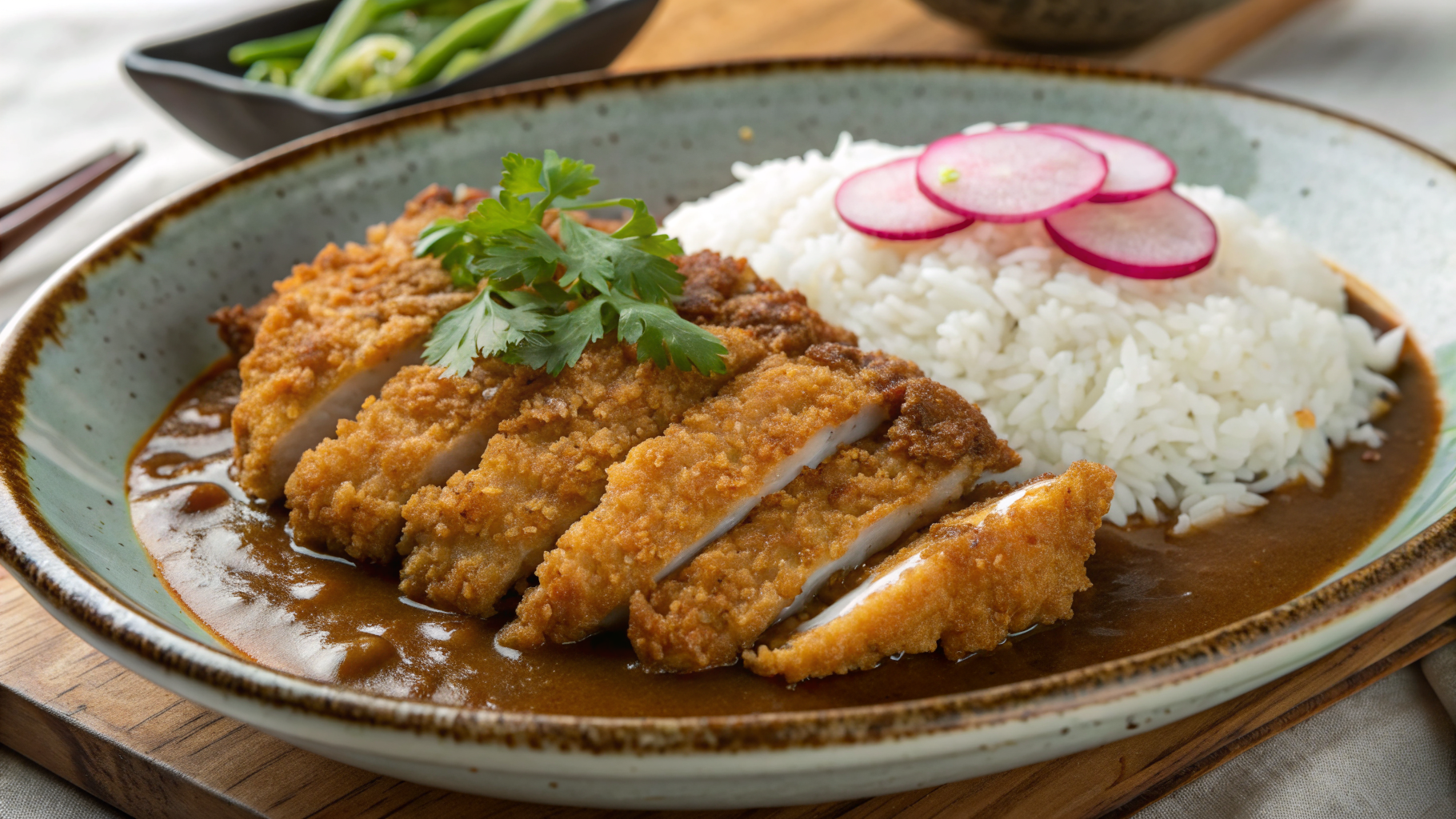
Imagine the satisfying crunch of a golden panko crust giving way to juicy chicken, all bathed in a velvety curry sauce that hums with warmth and subtle sweetness. Katsu chicken curry is Japan's answer to comfort food, a dish that has crossed oceans and found a permanent home in kitchens worldwide. But beyond its irresistible texture and aroma lies a surprisingly compelling nutritional story. Chicken breast, the star of the dish, is one of the leanest sources of high-quality protein available, while the curry sauce—built on onions, garlic, and a blend of spices—brings a host of plant compounds with anti-inflammatory properties. Even the breadcrumb coating, when fried correctly, adds only a modest amount of fat. In this article, we'll unpack the macros, vitamins, and health science behind katsu chicken curry, revealing why this dish can be both a treat and a nourishing meal. You'll discover how each component contributes to your daily nutrient needs, and how a few simple choices can make this comfort classic even healthier without sacrificing an ounce of flavor.
The Lean Protein Powerhouse: Chicken Breast Under the Microscope
Chicken breast is the foundation of katsu curry, and its nutritional profile is impressive. A 100-gram serving of skinless, boneless chicken breast provides approximately 31 grams of protein and just 3.6 grams of fat, according to USDA data. That protein is complete, containing all nine essential amino acids in proportions that closely match human needs, making it highly bioavailable for muscle repair and growth. Research published in the Journal of Nutrition shows that a meal containing 30 grams of high-quality protein stimulates muscle protein synthesis by about 50% in healthy adults. Beyond protein, chicken breast is a rich source of B vitamins, particularly niacin (B3) and pyridoxine (B6), which are crucial for energy metabolism and nervous system function. It also supplies selenium, a trace mineral that supports antioxidant defenses, and phosphorus for bone health. When you choose chicken breast for katsu, you're opting for a cut that delivers maximum protein with minimal saturated fat, a combination that aligns well with heart-healthy eating patterns.
The Curry Sauce: A Symphony of Anti-Inflammatory Spices
The curry sauce in katsu chicken curry is more than a flavor vehicle; it's a concentrated source of bioactive compounds. Traditional Japanese curry roux blends spices like turmeric, coriander, cumin, and fenugreek, each with documented health benefits. Turmeric's active compound, curcumin, has been the subject of over 10,000 published studies, many highlighting its anti-inflammatory and antioxidant effects. A 2017 review in Foods noted that curcumin can modulate inflammatory pathways, potentially reducing the risk of chronic diseases. Onions and garlic, the sauce's base, are rich in organosulfur compounds and flavonoids like quercetin, which research links to improved cardiovascular health. A meta-analysis of 13 studies found that garlic supplementation reduced total cholesterol by an average of 17 mg/dL. The sauce also contains carrots and apples in many recipes, adding beta-carotene and soluble fiber. While the exact nutrient content varies by recipe, a typical serving of katsu curry sauce provides a meaningful dose of these protective plant compounds, making the dish a genuine contributor to a phytochemical-rich diet.
From Meiji Era to Modern Tables: A Brief Cultural History
Katsu curry as we know it is a relatively recent invention, born from Japan's Meiji era (1868–1912) when Western influences flooded the country. Curry was introduced by the British, who had adapted Indian spices into a thick, stew-like sauce. The Japanese embraced it, eventually developing their own roux-based version. Tonkatsu (breaded pork cutlet) followed, inspired by French côtelettes. The marriage of the two—katsu curry—is said to have originated in the early 20th century, possibly in Tokyo's Ginza district, where restaurants experimented with Western-Japanese fusion. By the 1960s, curry rice had become a staple of school lunches and home cooking, and katsu curry emerged as a restaurant favorite. Today, it's a symbol of yōshoku (Western-style Japanese cuisine), cherished for its comforting familiarity. The dish reflects Japan's talent for absorbing foreign ideas and refining them into something distinctly its own—a culinary lesson in adaptation and innovation.
Pro Tip: The Panko Crust—Crisp Without the Oil Slog
Most home cooks ruin katsu by frying at the wrong temperature or using the wrong breadcrumbs. Panko, the Japanese-style breadcrumb, is key: its coarse, flaky texture creates a lighter, airier crust that absorbs less oil than standard breadcrumbs. But the real secret lies in temperature control. Heat your oil to 170–175°C (340–350°F). Too low, and the crust turns greasy; too high, and it burns before the chicken cooks through. Use a thermometer—don't guess. Also, after breading, let the coated chicken rest for 5 minutes before frying; this helps the egg and panko adhere, preventing the crust from falling off. And here's a health-focused twist: you can achieve a remarkably crispy katsu by baking or air-frying. Spray the breaded cutlets lightly with oil and bake at 200°C (400°F) for 15–20 minutes, flipping halfway. Research from the Journal of Food Science shows that air-frying reduces fat content by up to 80% compared to deep-frying while maintaining acceptable crispness. This simple adjustment slashes calories without compromising the dish's signature crunch.
Balancing the Plate: How Katsu Curry Fits Modern Nutrition Trends
In an era of high-protein diets and functional foods, katsu chicken curry aligns surprisingly well with contemporary nutritional priorities. The dish delivers a hefty dose of protein (around 40–50 grams per serving when including chicken and sauce), which supports satiety and muscle maintenance—key concerns for aging populations and active individuals alike. The rice provides easily digestible carbohydrates for quick energy, while the vegetables in the sauce contribute fiber and micronutrients. However, portion control is crucial: a typical restaurant serving can exceed 800 calories, largely from oil and rice. Home cooks can lighten the dish by using less oil, opting for brown rice, and bulking up the sauce with extra vegetables like spinach or bell peppers. A 2020 study in Nutrients found that adding vegetables to a meal increased feelings of fullness and reduced overall calorie intake. Katsu curry also fits into the growing interest in gut health: the onions and garlic in the sauce are prebiotic fibers that feed beneficial gut bacteria. By making smart choices, you can enjoy this comfort food as part of a balanced, health-conscious diet.
Frequently Asked Questions
Q: Is katsu chicken curry healthy? A: It can be. Chicken breast provides lean protein, and the curry sauce contains anti-inflammatory spices. However, deep-frying adds fat and calories, so baking or air-frying the cutlet and using brown rice can make it significantly healthier. Q: How much protein is in a serving of katsu curry? A: A typical serving with one chicken breast (about 150g) provides roughly 45 grams of protein, depending on the size of the cutlet and the amount of sauce. This makes it an excellent choice for muscle repair and satiety. Q: Can I make katsu curry gluten-free? A: Yes. Use gluten-free panko or crushed gluten-free cornflakes for the coating, and ensure your curry roux is gluten-free (many contain wheat flour). Rice is naturally gluten-free, so the dish adapts easily.
Key Takeaways
Katsu chicken curry is a dish that rewards both the palate and the body. The chicken breast delivers a powerful protein punch with minimal saturated fat, supporting muscle health and satiety. The curry sauce, rich in turmeric, garlic, and onions, offers anti-inflammatory and cardiovascular benefits backed by research. By choosing panko and controlling frying temperature, you can achieve a light, crispy crust without excess oil—or use air-frying to cut fat dramatically. Remember to balance your plate with plenty of vegetables and consider brown rice for extra fiber. This is comfort food that doesn't have to compromise your health goals. Whether you're a seasoned cook or a curious beginner, making katsu curry at home lets you control the ingredients and tailor the dish to your nutritional needs. So go ahead: savor the crunch, relish the sauce, and feel good about every bite.
Try these recipes on DishIndex
Explore katsu curry recipes and more