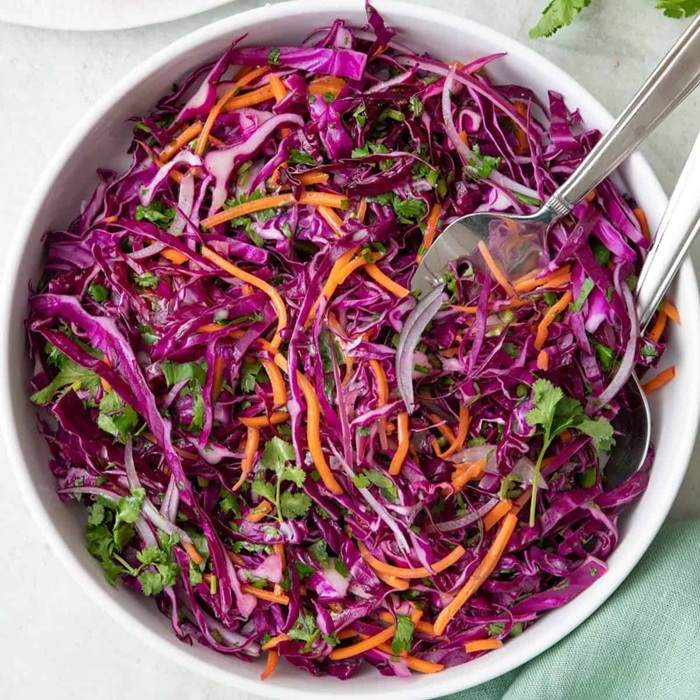
Imagine standing in your kitchen, phone in hand, scrolling through an endless feed of recipes. You pause on a photo of a tangy carrot, cabbage, and onion salad, its colors popping against a dark bowl. With one tap, you save it, and an AI assistant suggests tweaks based on what’s in your fridge. This is the new reality of recipe discovery. Technology has fundamentally altered how we find, adapt, and cook dishes like this Vietnamese classic. Once passed down orally or through dog-eared cookbooks, recipes now live in a digital ecosystem where algorithms learn your taste, platforms foster global exchange, and smart devices guide your every chop. But what does this mean for a dish that relies on balance—sweet, sour, salty, and spicy—and the intuitive touch of a home cook? In this article, we’ll explore how AI, apps, and online communities are reshaping the way we approach a tangy Vietnamese carrot, cabbage, and onion salad, from sourcing ingredients to mastering the perfect crunch. You’ll discover how to leverage these tools without losing the soul of the dish.
The Algorithmic Appetite: How AI Curates Your Recipe Feed
Behind every recipe recommendation lies a complex web of data. Platforms use collaborative filtering—similar to how Netflix suggests shows—to predict what you’ll want to cook next. If you’ve searched for Vietnamese salads or tangy slaws, algorithms note your preference for bright, herbaceous flavors and may serve up variations like this carrot, cabbage, and onion salad. But it goes deeper: machine learning models analyze thousands of recipes to identify patterns in ingredient pairings. For instance, the combination of lime juice, brown sugar, and ground nut oil is a classic Vietnamese dressing ratio—often 1:1:1—and AI can flag such proportions as a hallmark of authenticity. A 2022 study from the University of Copenhagen found that AI can predict flavor pairings with 80% accuracy by analyzing molecular compounds. That means your recipe app might soon suggest adding a pinch of chili to balance the sweetness, just as a seasoned chef would. These systems don’t just replicate human judgment; they amplify it, helping home cooks discover dishes they might never have encountered.
Smart Kitchens, Smart Salads: Tech Tools That Perfect the Crunch
The salad’s magic lies in its texture—shredded carrots and cabbage must stay crisp, while onions mellow in the dressing. Here, technology offers unexpected help. Smart mandolines and food processors with precision blades can achieve uniform shreds, but the real game-changer is the digital scale that syncs with recipe apps. For this salad, exact ratios matter: too much lime overwhelms, too little leaves it flat. Connected scales like those from Drop or Perfect Bake guide you through weight-based measurements, reducing guesswork. Then there’s the Instant Pot or sous-vide circulator—not for the salad itself, but for the peanuts. Toasting peanuts evenly is tricky; a smart oven or air fryer with a preset nut-roasting mode can prevent burning. And let’s not forget the humble refrigerator: some smart fridges now have cameras that inventory your produce and suggest recipes based on what’s about to spoil. That half head of red cabbage languishing in the crisper? Your fridge might nudge you toward this very salad. These tools don’t replace skill; they refine it, making consistent results achievable for cooks of all levels.
From Hanoi to Your Home: The Digital Evolution of a Street Food Staple
This salad is a close cousin of gỏi, a family of Vietnamese salads that often feature shredded vegetables, herbs, and a tangy dressing. While its exact origins are murky, it reflects Vietnam’s culinary philosophy of balancing textures and tastes. Traditionally, such salads were made with green papaya or banana blossom, but carrots and cabbage became common in the diaspora as accessible substitutes. The recipe’s journey mirrors the broader story of Vietnamese food globalization. In the 1970s, refugees brought their recipes to the U.S., France, and Australia, where they adapted to local ingredients. Today, that evolution happens in real time on social media. A TikTok video of a grandmother making gỏi in a Melbourne suburb can inspire a home cook in Berlin to try it with local red cabbage. Platforms like YouTube and Pinterest have become virtual cooking schools, preserving techniques like julienning carrots by hand—a skill that AI can’t replicate. Yet, as recipes spread, they also homogenize; the risk is losing regional nuances. The challenge is to use technology to document and celebrate these variations, not flatten them.
Pro Tip: Use AI to Decode the Dressing’s Flavor Balance
The dressing is where this salad succeeds or fails. A classic Vietnamese nước chấm-style dressing combines lime juice, sugar, and fish sauce, but this recipe uses ground nut oil instead of fish sauce for a vegetarian-friendly twist. The ratio is critical: too much lime makes it sour, too much sugar makes it cloying. Here’s where AI can help. Apps like FlavorGraph or Plant Jammer use machine learning to suggest ingredient substitutions and ratios based on flavor molecules. For instance, if you’re out of brown sugar, the app might recommend palm sugar or maple syrup with a touch of molasses. But don’t rely blindly on algorithms; taste as you go. A pro tip: whisk the dressing in a small bowl and dip a piece of cabbage into it before dressing the whole salad. Adjust with a pinch of salt or a squeeze of lime. AI can guide, but your palate is the final judge. This iterative tasting is something no algorithm can replicate—yet.
The Health Halo: Why This Salad Fits Modern Nutritional Trends
In an era of hyper-personalized nutrition, this salad checks many boxes. Carrots are rich in beta-carotene, red cabbage in anthocyanins, and onions in quercetin—all antioxidants linked to reduced inflammation. The peanuts add protein and healthy fats, while the lime juice provides vitamin C, which enhances iron absorption from the peanuts. According to a 2023 report from the International Food Information Council, 70% of consumers seek foods that support immune health, and this salad’s ingredients align perfectly. Moreover, the dish is naturally gluten-free and can be vegan if you omit the fish sauce (though this recipe already does). But technology’s role goes beyond nutrition facts: apps like MyFitnessPal can analyze the recipe’s macros, while continuous glucose monitors help users see how their body responds to the sugar in the dressing. Some platforms even use AI to suggest portion sizes based on your health goals. This salad isn’t just a side; it’s a data point in your wellness journey.
Frequently Asked Questions
Q: Can I make this salad ahead of time? A: Yes, but keep the dressing separate and toss just before serving to maintain crunch. The shredded vegetables can be prepped up to a day in advance and stored in an airtight container in the fridge. Q: What’s a good substitute for ground nut oil? A: Any neutral oil like grapeseed or canola works, but for a nuttier flavor, try toasted sesame oil—use half the amount as it’s stronger. Q: How do I prevent the onions from overpowering the salad? A: Soak sliced red onions in ice water for 10 minutes, then drain and pat dry. This removes some of their sharp bite while preserving crunch.
Key Takeaways
Technology is a powerful ally in the kitchen, but it’s not a replacement for your senses. Use AI-powered apps to discover new recipes and fine-tune ratios, but always taste and adjust. Embrace smart tools like digital scales and precision choppers to achieve consistent texture, especially for shredding carrots and cabbage. Remember that this salad’s beauty lies in its balance—sweet, sour, salty, and spicy—so don’t let algorithms dictate your palate. Explore the cultural history behind the dish to appreciate its evolution, and use platforms to share your own twists. Finally, consider the nutritional synergy of the ingredients and how they fit your health goals. With these insights, you’re ready to bring a tangy Vietnamese salad to your table, blending tradition with a dash of modern savvy.
Try these recipes on DishIndex
Explore Vietnamese carrot salad recipes and more