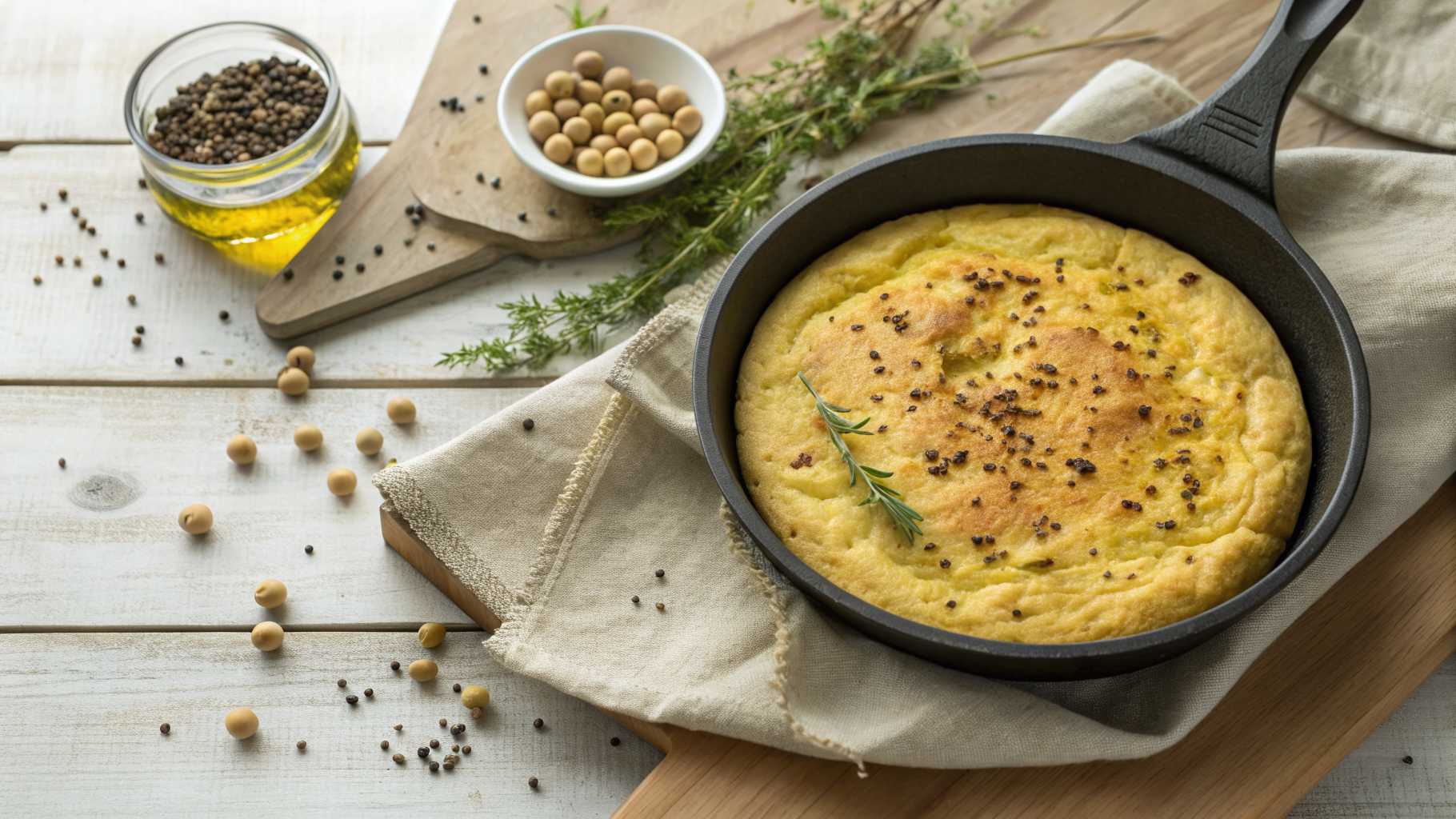
Imagine walking through the bustling streets of Buenos Aires, the aroma of freshly baked pizza and fried chickpea flatbread wafting from every corner. That flatbread is fainá, a humble yet mighty dish with a crispy golden crust and a tender, savory interior. While it's often enjoyed alongside pizza, fainá deserves its own spotlight—especially for its remarkable nutritional profile. Made from just chickpea flour, water, olive oil, salt, and pepper, this flatbread is a testament to how simple ingredients can create something deeply satisfying and healthful. In fact, a single serving delivers a hefty dose of plant-based protein, fiber, and essential minerals like iron and magnesium. But what makes fainá truly special is its ability to cater to various dietary needs: it's naturally gluten-free, vegan, and packed with slow-digesting carbs that keep you energized. Whether you're a health enthusiast, a celiac sufferer, or simply a food lover, fainá offers a delicious way to nourish your body. In this article, we'll uncover the science behind its health benefits, trace its journey from Genoa to Argentina, and share expert tips to perfect your own batch. Get ready to fall in love with this crispy, nutritious delight.
The Nutritional Powerhouse of Chickpea Flour
Chickpea flour, the star of fainá, is a nutritional juggernaut. One cup (92 grams) provides approximately 20 grams of protein, 10 grams of fiber, and a mere 4 grams of fat. Unlike refined wheat flour, it retains all parts of the chickpea, including the germ and bran, preserving vitamins and minerals. It's particularly rich in folate, iron, and magnesium—nutrients crucial for energy metabolism and bone health. A 2018 study in the Journal of Food Science and Technology found that chickpea flour has a lower glycemic index than wheat flour, meaning it releases glucose more slowly into the bloodstream, helping to stabilize blood sugar levels. This makes fainá an excellent choice for diabetics or anyone seeking sustained energy. Moreover, the fiber content promotes gut health by feeding beneficial bacteria and adding bulk to stool. When you combine chickpea flour with olive oil, you introduce heart-healthy monounsaturated fats and antioxidants like oleocanthal, which has anti-inflammatory properties. Together, these ingredients create a flatbread that's not just delicious but also a functional food—one that supports cardiovascular health, weight management, and overall vitality. So the next time you bite into a slice of fainá, know that you're fueling your body with some of nature's finest nutrients.
The Critical Role of Resting the Batter
Many home cooks rush the batter, mixing chickpea flour and water and immediately baking. But that's a mistake. Resting the batter for at least 4 hours—or ideally overnight—is non-negotiable for two reasons: flavor and texture. During this rest, the chickpea flour fully hydrates, allowing the starch granules to swell and soften. This leads to a smoother, more cohesive batter that bakes into a flatbread with a delicate, creamy interior and a shatteringly crisp crust. More importantly, resting reduces the raw, beany taste of chickpea flour by giving enzymes time to break down some of the complex carbohydrates and phytic acid. Phytic acid, while not harmful, can bind to minerals like iron and zinc, reducing their absorption. Soaking and resting can mitigate this effect, enhancing the nutritional value of your fainá. A 2017 study in Food Chemistry showed that soaking chickpea flour for 12 hours decreased phytic acid by up to 30%, improving mineral bioavailability. So, plan ahead: whisk your batter in the morning, let it sit while you go about your day, and bake in the evening. Your patience will be rewarded with a superior flatbread that's easier to digest and more nutritious.
From Genoa to Buenos Aires: A Culinary Journey
Fainá's story begins in Genoa, Italy, where it's known as farinata. Legend has it that in 1284, after a naval victory against Pisa, Genoese soldiers mixed chickpea flour with water and olive oil, then baked it in the sun, creating a makeshift meal. This humble flatbread became a staple in Liguria, often cooked in wood-fired ovens. When Italian immigrants flooded Argentina in the late 19th and early 20th centuries, they brought farinata with them. In Buenos Aires, it evolved into fainá, a name derived from the Genoese dialect. It became a popular accompaniment to pizza, leading to the iconic combination known as pizza a caballo—a slice of pizza with a slice of fainá on top. This pairing is more than a culinary quirk; it's a symbol of the Italian-Argentinian fusion that defines the country's food culture. Today, fainá is sold in pizzerias across Argentina, often by the slice, and is celebrated on September 14th as National Fainá Day. Its journey from a Genoese necessity to an Argentinian treasure illustrates how food adapts and thrives across borders, carrying history in every bite.
Pro Tip: Master the Sizzle for a Perfect Crust
The secret to an authentically crispy fainá lies in the preheated oil. Many recipes simply grease the pan, but that yields a lackluster crust. Instead, pour a generous amount of olive oil into a round baking dish and place it in a preheated oven at 220°C (430°F) for about 10 minutes, until the oil is shimmering and nearly smoking. When you pour the batter into the hot oil, it should sizzle immediately, creating a thin, crispy layer at the bottom. This technique, known as shallow frying in the oven, is what gives fainá its signature crunch. But don't stop there—elevate the flavor by infusing the oil. Before heating, add a smashed garlic clove or a sprig of rosemary to the oil. As it heats, the oil absorbs the aromatics, which then permeate the flatbread. For a smokier twist, sprinkle a pinch of smoked paprika or cumin into the batter, as the recipe suggests. These spices not only add depth but also bring additional antioxidants. Remember, the oil should be hot but not burning; if it smokes excessively, reduce the oven temperature slightly. This pro tip transforms a simple flatbread into a restaurant-quality dish that will impress your guests and delight your palate.
Fainá in the Modern Health Landscape
In an era where plant-based diets and gluten-free options are increasingly popular, fainá fits seamlessly into modern eating patterns. Its main ingredient, chickpea flour, is a sustainable protein source, requiring far less water and land than animal agriculture. As more people seek environmentally friendly foods, fainá offers a delicious way to reduce meat consumption without sacrificing satisfaction. Nutritionally, it aligns with the Mediterranean diet, which is consistently ranked among the healthiest in the world. A 2020 study in Nutrients highlighted that legume-based flatbreads like fainá can improve satiety and reduce overall calorie intake, thanks to their protein and fiber content. Furthermore, fainá is naturally free from common allergens like gluten, dairy, and nuts, making it accessible to a wide range of eaters. Its versatility means it can be served as a snack, a side, or even a main course topped with vegetables or lean proteins. As chefs and home cooks experiment with global cuisines, fainá is poised to become a staple in health-conscious kitchens. It's a reminder that traditional foods often hold the keys to modern wellness, and fainá is a shining example of how ancient wisdom meets contemporary nutritional science.
Frequently Asked Questions
Q: Can I make fainá without resting the batter? A: You can, but the result will be denser and may have a raw bean flavor. Resting for at least 4 hours improves texture and reduces phytic acid, enhancing mineral absorption. Q: Is fainá gluten-free? A: Yes, it's made entirely from chickpea flour, which is naturally gluten-free. However, if you're highly sensitive, ensure your flour is processed in a gluten-free facility to avoid cross-contamination. Q: What's the best way to reheat leftover fainá? A: For best results, reheat in a hot oven or skillet to restore crispness. Avoid microwaving, which makes it soggy. A quick 5 minutes at 200°C (400°F) will bring back its crunch.
Key Takeaways
Fainá is more than a tasty flatbread; it's a nutritional powerhouse. Chickpea flour delivers plant-based protein, fiber, and essential minerals like iron and magnesium, while olive oil adds heart-healthy fats. Always rest your batter for at least 4 hours to improve flavor, texture, and nutrient absorption. For a perfectly crispy crust, preheat the oil in the oven until it sizzles before adding the batter. Experiment with spices like cumin or smoked paprika to boost flavor and antioxidants. Whether you're gluten-free, vegan, or simply seeking a wholesome snack, fainá is a versatile, satisfying choice. Its journey from Genoa to Buenos Aires reminds us that good food transcends borders. So, gather your ingredients, be patient with the batter, and savor the crispy, golden result. Your body and taste buds will thank you.
Try these recipes on DishIndex
Explore Fainá recipes and more