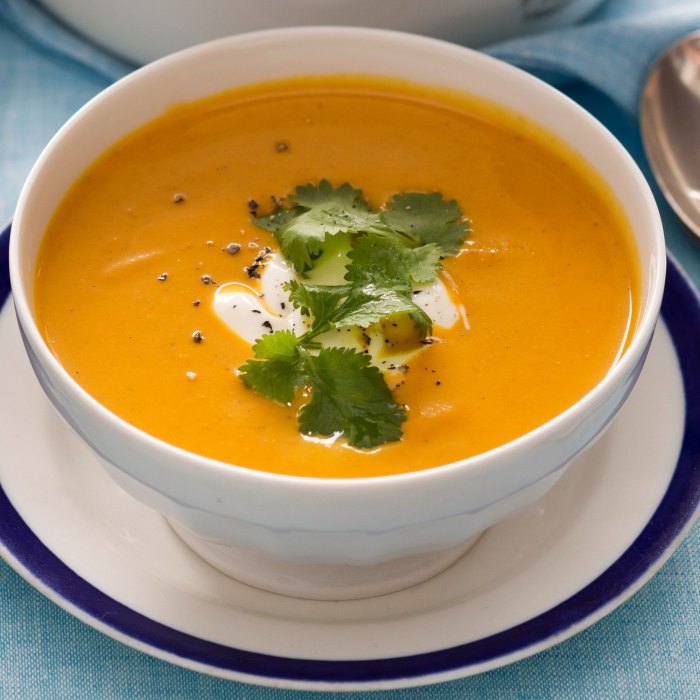
Picture this: it's Sunday evening, and you're staring down a week of packed schedules, takeout temptations, and the nagging goal to eat better. You open your fridge, and there it is—a gleaming container of Moroccan carrot soup, ready to be reheated in minutes. This isn't just any soup; it's a meal prep revelation. Carrots, roasted until sweet and caramelized, mingle with cumin, coriander, and a whisper of garam masala. A splash of lemon juice brightens everything, and olive oil adds a silky richness. The result is a bowl that feels both comforting and exotic, yet simple enough to make on repeat. Moroccan cuisine has long embraced this interplay of sweet and savory, and this soup captures that magic. But beyond flavor, it's a practical powerhouse: inexpensive ingredients, forgiving cooking method, and excellent storage life. In the next few minutes, you'll discover how to master this recipe for batch cooking, learn the secrets to keeping it fresh all week, and understand why it deserves a permanent spot in your rotation. Get ready to transform your weekly routine, one bowl at a time.
Why Roasting Is the Meal Prep Game-Changer
You might be tempted to dump everything in a pot and boil, but roasting is where the magic happens. When carrots hit a 180°C oven, something remarkable occurs: their natural sugars concentrate through the Maillard reaction, creating deep, caramel-like flavors that boiling simply can't achieve. This isn't just about taste—it's about efficiency. Toss chopped carrots, onion, and garlic with olive oil and spices on a sheet pan, and while they roast, you can prep other meals or tackle your to-do list. The oven does the work. Plus, roasting is forgiving: if you leave them in five extra minutes, they'll only get sweeter. For meal prep, this means you can roast a large batch at once, then blend and store. The spices—cumin, coriander, and garam masala—also benefit from roasting, as their essential oils release and intensify. A study in the Journal of Agricultural and Food Chemistry found that dry heating cumin increases its antioxidant activity. So by roasting, you're not just saving time; you're boosting flavor and nutrition. This approach turns a simple soup into a strategic component of your weekly planning.
The Spice Trio That Makes It Authentic
Cumin, coriander, and garam masala form the backbone of this soup's Moroccan identity. Cumin, with its earthy, nutty warmth, is a staple in North African cooking—Morocco is one of the world's largest importers of cumin. Coriander adds a citrusy, floral note that lifts the sweetness of carrots. Garam masala, though more associated with Indian cuisine, has found its way into Moroccan kitchens through trade routes, adding a complex, warming depth. The key is balance: too much cumin can overpower, so start with a teaspoon per pound of carrots. And here's a pro move: toast whole spices briefly before grinding. When you roast the vegetables with ground spices, they toast further, so be careful not to burn them—burned spices turn bitter. A common mistake home cooks make is adding spices at the end; instead, toss them with the oil and vegetables before roasting so they bloom in the heat. This trio not only flavors the soup but also aids digestion—cumin and coriander are traditional carminatives. So every spoonful is a lesson in culinary history and practical wisdom.
From Moroccan Souks to Your Sunday Prep
Moroccan carrot soup, or harira's cousin, has roots in the bustling souks of Marrakech and Fez, where spice vendors pile cumin and coriander in colorful cones. While harira is a tomato-based soup with legumes, carrot soup is a simpler, more focused dish often served as a starter or light meal. In Morocco, soups like this are typically enjoyed during Ramadan to break the fast, but they're also everyday comfort food. The addition of lemon juice at the end is distinctly Moroccan—a technique that cuts through richness and brightens the palate. Historically, carrots were not always orange; they were purple or yellow until the 17th century when Dutch growers cultivated the orange variety. Today, Morocco produces over a million tons of carrots annually, many of which find their way into soups like this. By making it at home, you're connecting to a tradition of hospitality and resourcefulness. And for meal prep, that tradition translates perfectly: make a big pot on Sunday, and you're honoring both culture and practicality.
Pro Tip: Blend with Care for Velvety Texture
Most home cooks blend their soup until it's completely smooth, but that can turn it gluey, especially with carrots. The secret is to blend in batches and pulse rather than purée. Over-blending carrots releases starch, making the soup gummy. Instead, aim for a texture that's smooth but still has a little body—think velvety, not baby food. Also, don't add all the liquid at once. Start with half the stock, blend, then adjust to your desired consistency. This gives you control. Another trick: after blending, pass the soup through a fine-mesh sieve for an ultra-silky finish, but that's optional for meal prep. For storage, cool the soup completely before refrigerating; this prevents condensation and bacterial growth. And when reheating, add a splash of water or stock—soups thicken as they sit. Finally, reserve some roasted carrots before blending to chop and stir back in for texture. This small step elevates the dish from simple to sophisticated, and it takes just a minute.
How This Soup Fits a Balanced Diet
Carrots are nutritional all-stars: one cup provides over 400% of your daily vitamin A as beta-carotene, which supports vision and immunity. Roasting actually increases bioavailability—cooking breaks down cell walls, making beta-carotene easier to absorb. The olive oil in the recipe further aids absorption, as beta-carotene is fat-soluble. Cumin and coriander add antioxidants, and the soup is naturally gluten-free and dairy-free. For a balanced meal, pair it with a source of protein like chickpeas or grilled chicken, and a whole grain. In meal prep, portion it into containers with those additions for a complete lunch. The soup is also low in calories—about 150 per cup—making it a great option for weight management. And because it's so flavorful, it satisfies without needing heavy cream. Current food trends emphasize plant-forward eating and global flavors, and this soup checks both boxes. It's a testament to how traditional dishes can align with modern health goals, proving that eating well doesn't mean sacrificing taste.
Frequently Asked Questions
Q: Can I freeze Moroccan carrot soup? A: Yes, it freezes beautifully. Cool completely, then store in airtight containers for up to three months. Leave a little headspace for expansion. Thaw overnight in the fridge and reheat gently, adding a splash of stock if needed. Q: How long does it keep in the fridge? A: Store in an airtight container for up to five days. The flavors actually improve after a day as the spices meld. Always reheat to a simmer before serving. Q: Can I use pre-cut carrots? A: Absolutely, but choose whole carrots if possible for better flavor and texture. Pre-cut carrots can dry out when roasted, so reduce roasting time by five minutes and check for tenderness.
Key Takeaways
First, roast your vegetables at 180°C to develop deep flavor and make the most of your time—the oven does the work while you prep other meals. Second, balance your spices carefully; start with a teaspoon each of cumin and coriander per pound of carrots, and taste before adjusting. Third, blend in batches and pulse for a velvety texture that isn't gluey, and consider reserving some roasted carrots for texture. Fourth, store the soup properly: cool completely, refrigerate up to five days, or freeze up to three months. Finally, pair it with protein and whole grains to create balanced, satisfying meals all week. With these strategies, Moroccan carrot soup becomes more than a recipe—it's a cornerstone of your meal prep routine, delivering flavor, nutrition, and convenience in every bowl.
Try these recipes on DishIndex
Explore Moroccan carrot soup recipes and more