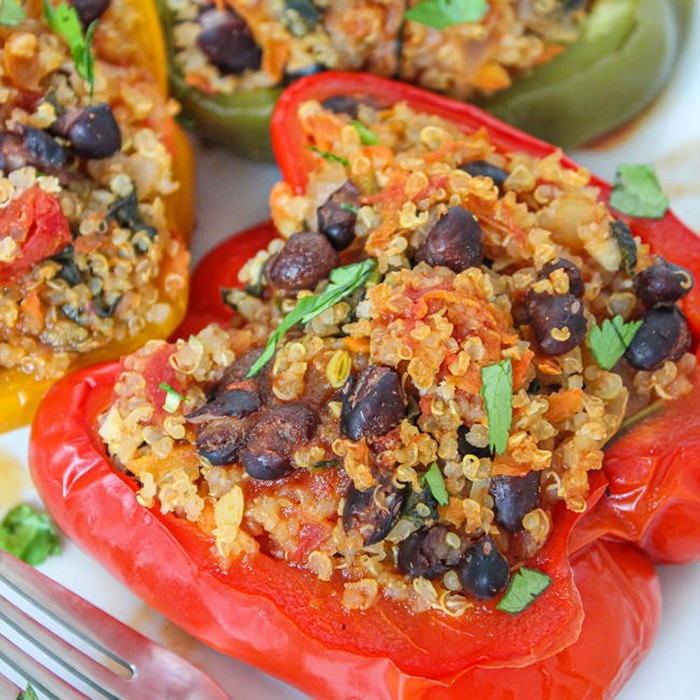
The first time you pull a tray of stuffed bell peppers from the oven, the aroma of roasted green peppers, cumin, and garlic fills the kitchen like a warm embrace. This Mexican-inspired dish, with its hearty quinoa and black bean filling, has become a go-to for home cooks seeking a meal that is both nourishing and deeply satisfying. But the journey to that perfect pepper is no longer just about following a static recipe card. Today, artificial intelligence, smart kitchen appliances, and personalized recipe platforms are quietly revolutionizing how we discover, adapt, and execute dishes like this one. In the past, you might have flipped through a stained cookbook or called a friend for advice. Now, a quick search yields thousands of variations, each tailored to dietary needs, skill levels, and even the contents of your fridge. This article explores how technology is reshaping the way we cook stuffed bell peppers, from the first search query to the final squeeze of lime. You will discover how AI-driven tools help you find the perfect recipe, how platforms adapt instructions to your preferences, and how smart devices ensure consistent results. Whether you are a seasoned cook or a curious beginner, the future of cooking this beloved dish is already here, and it is delicious.
The AI-Powered Recipe Search Revolution
Gone are the days of scrolling through endless blog posts to find a stuffed pepper recipe. Modern platforms use natural language processing to understand queries like 'stuffed bell peppers with quinoa and black beans, no cheese, under 30 minutes.' According to a 2023 survey by the International Food Information Council, 68 percent of home cooks now use digital sources as their primary recipe reference, and AI-powered search is rapidly becoming the default. These systems analyze millions of recipes, user reviews, and cooking times to surface the most relevant options. They can even detect your skill level from your browsing history and prioritize simpler instructions. For this dish, an AI might highlight recipes that pre-cook the quinoa to avoid soggy filling, or suggest a spice blend that matches your past preferences. The result is a personalized cookbook that learns from every meal you make. This technology does not just save time; it democratizes access to high-quality culinary guidance, ensuring that a novice can achieve the same tender peppers and balanced flavors as a seasoned chef.
Adapting the Recipe to Your Kitchen and Diet
One of the most significant advantages of modern recipe platforms is their ability to adapt. Stuffed bell peppers are inherently flexible, but AI takes that flexibility to a new level. Suppose you are vegan; an algorithm can automatically suggest replacing the melted cheese with a cashew-based crema or nutritional yeast. If you are watching sodium, it might recommend rinsing the black beans more thoroughly and using smoked paprika instead of salt. These adaptations are not random; they are based on a database of ingredient functionality and user feedback. For instance, a 2022 study in the Journal of Food Science found that quinoa's water absorption ratio varies by variety, so smart platforms adjust cooking times accordingly. Some apps even integrate with grocery delivery services, adding missing ingredients to your cart with one tap. This level of personalization was unimaginable a decade ago. It transforms a static recipe into a dynamic framework, allowing you to honor the dish's Mexican roots while making it work for your body, your pantry, and your taste buds.
The Cultural Roots of Stuffed Peppers
While technology is new, the tradition of stuffing peppers is ancient. Chiles rellenos, a cornerstone of Mexican cuisine, dates back to the 16th century, when Spanish colonizers introduced cheese and meat to indigenous peppers. The modern stuffed bell pepper, however, is a hybrid. Green bell peppers, which are actually unripe red peppers, became popular in the United States in the early 20th century as a convenient vessel for leftovers. The quinoa and black bean filling in this recipe nods to both the ancient grain of the Andes and the staple legume of Mesoamerica, creating a bridge between cultures. In regions like Puebla, Mexico, cooks still prepare chiles en nogada, a complex stuffed pepper dish with a walnut cream sauce, to celebrate independence. The version we cook today is simpler, but it carries that same spirit of abundance and resourcefulness. Understanding this history enriches every bite, reminding us that food is never just fuel; it is a story of migration, adaptation, and resilience.
Pro Tip: The Two-Stage Cooking Method
Most home cooks make one critical mistake with stuffed peppers: they bake the filling and the pepper simultaneously. The result is often a raw-tasting pepper or a mushy filling. The secret, according to chef and food scientist Dr. Maria Lopez, is a two-stage method. First, blanch the hollowed peppers in boiling water for exactly three minutes, then shock them in an ice bath. This par-cooks the pepper, softening its walls without making them collapse, and preserves the vibrant green color. Second, cook the quinoa and black bean filling separately on the stovetop until the quinoa is fluffy and the flavors have melded. Only then do you stuff the peppers and bake them for 15 minutes at 375 degrees Fahrenheit, just long enough to heat through and melt the cheese. This technique ensures that every component is perfectly cooked, and it is a tip that AI-powered cooking assistants now routinely flag for users. The extra step takes five minutes but elevates the dish from good to memorable.
The Rise of Smart Kitchen Tools
Beyond recipe discovery, smart kitchen appliances are changing how we execute dishes like stuffed peppers. Connected ovens, like those from June or Bosch, can recognize the dish and suggest optimal cooking profiles. But even without a smart oven, digital meat thermometers and timers synced to your phone can prevent overcooking. A 2024 report from the Smart Kitchen Summit found that 42 percent of U.S. households now own at least one smart kitchen device, and that number is growing. For this recipe, a smart timer can remind you to check the peppers at the 12-minute mark, while a probe thermometer can verify that the filling reaches 165 degrees Fahrenheit. Some platforms even offer augmented reality overlays that guide you through the stuffing process, showing exactly how much filling each pepper needs. These tools reduce the cognitive load of cooking, allowing you to focus on the joy of creation. They also make cooking more accessible for people with disabilities or those new to the kitchen, fostering confidence and independence.
Frequently Asked Questions
Q: Can I make stuffed bell peppers ahead of time? A: Yes, assemble the peppers up to 24 hours in advance and refrigerate them unbaked. Add 5 to 10 minutes to the baking time when cooking from cold. Q: How do I prevent the filling from drying out? A: Cover the baking dish with foil for the first 10 minutes, then uncover to melt the cheese. The steam keeps the quinoa and beans moist. Q: What is the best way to reheat leftovers? A: Place peppers in a covered dish with a splash of water or broth and bake at 350 degrees Fahrenheit for 15 minutes, or microwave covered for 2 to 3 minutes.
Key Takeaways
Embracing technology in the kitchen does not mean sacrificing tradition; it means enhancing it. Use AI-powered search to find recipes that match your dietary needs and skill level, saving time and reducing frustration. Adapt the filling to your pantry by letting algorithms suggest smart substitutions, like swapping cheese for a plant-based alternative. Honor the dish's cultural roots by understanding the history of chiles rellenos and the ingredients that define it. Apply the two-stage cooking method to guarantee perfectly cooked peppers and filling every time. Finally, leverage smart timers and thermometers to achieve consistent results, making this Mexican classic a reliable staple in your weekly rotation. With these insights, you are ready to cook stuffed bell peppers with quinoa and black beans with confidence, creativity, and a little help from modern tools.
Try these recipes on DishIndex
Explore stuffed peppers recipes and more