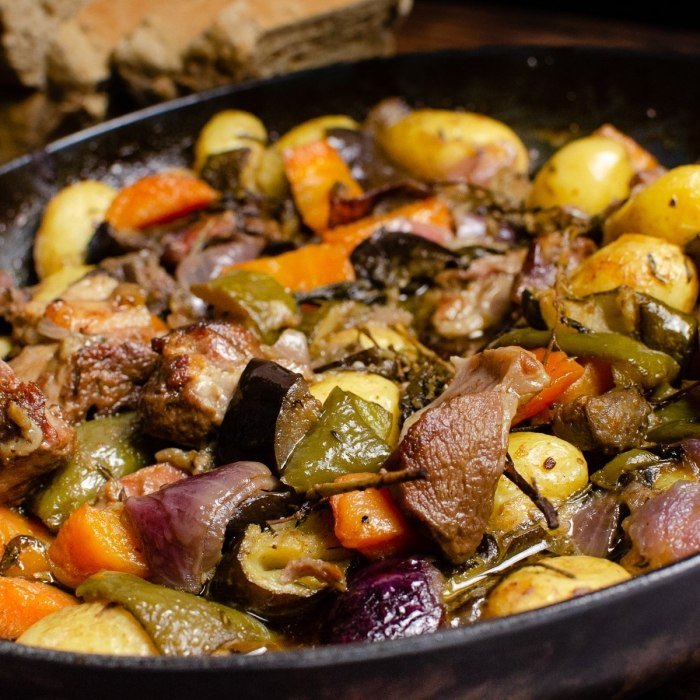
Imagine a cool evening in the Dalmatian hinterland, the scent of rosemary and roasting lamb drifting from a stone fireplace. Under a heavy clay dome called a peka, lamb shoulder and summer vegetables are slowly transforming into a dish of extraordinary depth. This is Croatian lamb peka, a culinary tradition that dates back centuries and remains a centerpiece of family gatherings and festive occasions. But beyond its rich flavors, peka offers a surprising lesson in sustainability. By using seasonal produce, whole animals, and a cooking method that requires no electricity or gas, it embodies a low-waste, low-energy approach to cooking that modern chefs are rediscovering. In this article, we'll explore how this rustic masterpiece aligns with eco-friendly principles, from sourcing local ingredients to minimizing food waste, and why it deserves a place in your kitchen—not just for its taste, but for its mindful approach to feeding people.
The Eco-Friendly Cooking Method: Heat Retention and Zero Electricity
The peka method is a marvel of energy efficiency. A clay or metal dome is placed over the food, which is typically cooked in a hearth or outdoor fire. The dome traps heat and steam, creating a miniature oven that requires minimal fuel. Unlike conventional ovens that preheat for 15 minutes and lose heat every time the door opens, the peka retains heat so effectively that a single batch of embers can cook a meal for hours. Studies on traditional cooking methods show that such closed-system cooking can reduce energy consumption by up to 60% compared to open-fire roasting. Moreover, the peka is often heated with wood from local, sustainably managed forests, or even with charcoal made from agricultural waste. This method not only lowers the carbon footprint but also preserves nutrients: the sealed environment locks in moisture and water-soluble vitamins, so the vegetables emerge tender and flavorful without needing added fats. For home cooks, a Dutch oven or a heavy lidded pot can mimic the peka's efficiency, proving that ancient wisdom can inform modern sustainable cooking.
Seasonal and Local: The Backbone of Sustainable Peka
Traditional Croatian lamb peka is a seasonal dish, typically prepared in late spring and summer when lamb is plentiful and vegetables are at their peak. The key ingredients—potatoes, courgettes, carrots, green peppers, aubergines, and onions—are all summer crops that grow abundantly in the Mediterranean climate. Sourcing them locally reduces food miles and supports small-scale farmers. In fact, Croatia's agricultural landscape is dominated by small family farms, many of which practice polyculture and organic methods. By choosing seasonal produce, you avoid the environmental costs of greenhouse cultivation and long-distance transport. Moreover, the dish uses the entire vegetable: stems, leaves, and peels can be simmered into a broth or composted. The lamb itself is often from local pasture-raised flocks, which have a lower carbon footprint than industrial meat production. When you cook peka with ingredients from a farmers' market or your garden, you're not just making a meal—you're participating in a circular food system that respects the land.
Cultural Roots: From Ancient Illyrians to Modern Tables
The peka has a history that stretches back over two thousand years. Archaeological evidence suggests that the Illyrians, who inhabited the Balkan Peninsula before the Romans, used clay domes for cooking. The technique was later refined by the Romans and then by Slavic tribes who settled the region. In Croatia, the peka became a symbol of hospitality and community, often prepared for weddings, harvest festivals, and religious celebrations. Each region has its own variation: in Dalmatia, lamb is favored, while in Slavonia, pork or fish might be used. The word 'peka' comes from the Croatian verb 'peći' (to bake), and the dome itself is called 'čripnja' in some dialects. This long history underscores the dish's sustainability: it evolved in a time when resources were scarce, and every part of the animal and every seasonal vegetable was used. Today, as we face climate change and food insecurity, the peka reminds us that tradition can be a guide to resilient, low-impact cooking.
Pro Tip: Layer Vegetables to Maximize Flavor and Minimize Waste
Most home cooks arrange the ingredients haphazardly, but the order matters for both flavor and sustainability. Start by layering sturdy vegetables like potatoes and carrots at the bottom—they can withstand long cooking and release sugars that caramelize. Next, add onions and peppers, then the lamb, and finally the softer vegetables like courgettes and aubergines on top. This stratification ensures even cooking and prevents the delicate vegetables from turning to mush. But here's the eco-friendly twist: save the vegetable peels and trimmings (carrot peels, onion skins, courgette ends) and scatter them over the embers or inside the peka before closing. They will smolder and impart a subtle smoky aroma, while also reducing waste. Alternatively, simmer the trimmings with water and herbs to make a quick vegetable stock that you can use to baste the lamb. This zero-waste approach not only enhances flavor but also honors the resourcefulness of traditional Croatian cooks, who wasted nothing.
Nutritional Wisdom and the Plant-Forward Shift
While lamb peka is a meat-centric dish, it aligns with modern nutritional advice that emphasizes plant-forward eating. The proportion of vegetables to meat is high—often two to three times more vegetables by weight—which means each serving provides a wealth of fiber, vitamins, and antioxidants. The slow cooking method preserves these nutrients better than high-heat roasting. For instance, beta-carotene in carrots and lycopene in tomatoes are more bioavailable when cooked with fat, and the olive oil in peka facilitates this. Moreover, the dish's reliance on whole ingredients means it's free from ultra-processed additives. In a time when the environmental impact of food is under scrutiny, peka offers a blueprint for reducing meat consumption without sacrificing satisfaction: use lamb as a flavoring agent rather than the main event, and let seasonal vegetables take center stage. This approach not only lowers the carbon footprint but also aligns with Mediterranean diet principles, which are linked to longevity and lower rates of chronic disease.
Frequently Asked Questions
Q: Can I make Croatian lamb peka without a traditional clay dome? A: Yes, a heavy Dutch oven or a cast-iron pot with a tight-fitting lid works well. The key is to trap steam and heat, so seal the lid with a layer of foil or dough if needed. Q: Is peka suitable for vegetarians? A: Absolutely. Replace lamb with hearty vegetables like mushrooms, chickpeas, or seitan, and use vegetable stock instead of meat. The slow cooking method will still yield deep flavors. Q: How can I reduce the energy use of cooking peka at home? A: Use a thermal cooker or a well-insulated Dutch oven, and cook in a retained-heat method: bring to a simmer, then turn off the heat and let it sit for hours. This uses far less energy than continuous oven cooking.
Key Takeaways
Croatian lamb peka is a delicious reminder that sustainable cooking can be deeply satisfying. First, embrace the efficiency of closed-system cooking: a heavy lidded pot or Dutch oven can mimic the peka and cut energy use. Second, prioritize seasonal, local vegetables—they taste better and reduce food miles. Third, adopt a zero-waste mindset: use every part of the vegetable and animal, from peels to bones. Fourth, shift the balance toward more plants: let vegetables dominate the pot and treat meat as a flavoring. Finally, honor tradition: the peka has sustained communities for centuries, and its principles of resourcefulness and community are more relevant than ever. By cooking this dish, you're not just making dinner—you're part of a movement toward a more resilient, eco-friendly food system. So gather your ingredients, fire up your oven, and let the aromas of Croatia fill your kitchen.
Try these recipes on DishIndex
Explore lamb peka recipes and more