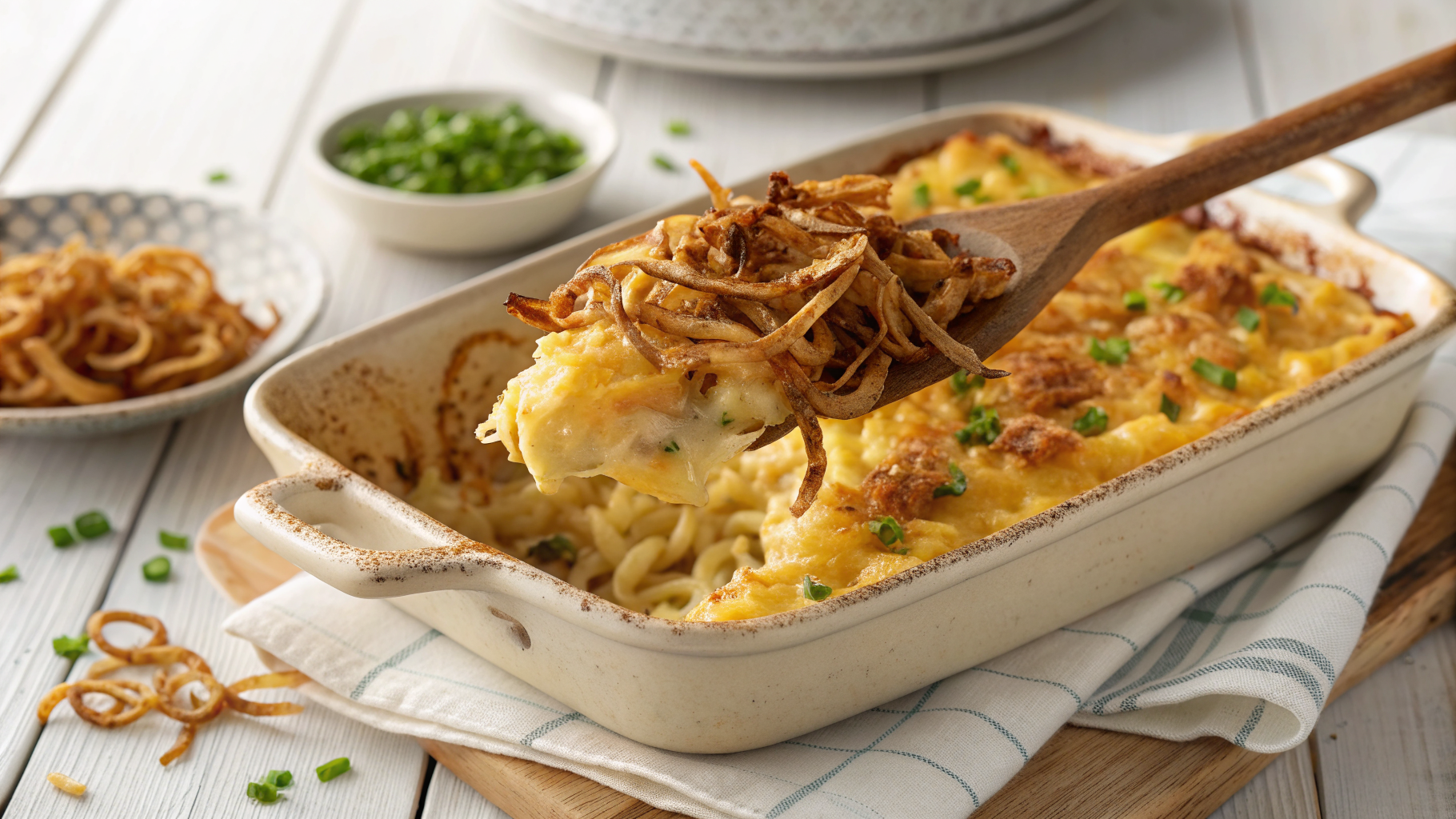
Imagine the scent of nutty, melted Emmental and sweet caramelized onions filling your kitchen on a Sunday afternoon—and knowing that same aroma will greet you on a hectic Wednesday night. Käsespätzle, the German answer to mac and cheese, is a dish of soft egg noodles layered with cheese and crowned with crispy onions. It hails from the Swabian region of southwestern Germany, where it's a beloved comfort food often served with a side salad. But here's what many home cooks miss: Käsespätzle is a meal-prep dream. The noodles can be made ahead, the cheese grated in advance, and the assembled dish reheats like a champion. In this article, you'll discover how to fold this cheesy classic into your weekly routine without sacrificing flavor or nutrition. We'll cover batch-cooking strategies, storage science, and realistic ways to balance a rich dish with lighter sides. Whether you're feeding a family or prepping solo lunches, Käsespätzle deserves a spot in your rotation.
Why Käsespätzle Belongs in Your Meal Prep Rotation
Käsespätzle checks every box for batch cooking: it's affordable, scalable, and arguably tastes better after a day in the fridge. The Spätzle dough—flour, eggs, milk, and salt—comes together in one bowl, and the shaped noodles freeze beautifully for up to three months. A single batch yields enough for four generous servings, and doubling it costs little extra effort. Unlike pasta, Spätzle holds its shape when reheated, never turning mushy. The cheese sauce, typically a mix of Emmental and Gruyère, solidifies when chilled but melts back into gooey perfection with gentle heat. From a nutritional standpoint, each serving delivers about 20 grams of protein thanks to eggs and cheese, plus a dose of calcium. Pair it with a crisp green salad or steamed broccoli to round out the plate. The dish also freezes well after assembly—just portion into oven-safe containers and bake from frozen. In a world of complicated meal prep, Käsespätzle is refreshingly simple.
The Spätzle Shortcut: Make, Shape, and Store
Traditional Spätzle shaping involves scraping dough off a wooden board into boiling water, but for meal prep, a colander or potato ricer works just as well. The key is to work in batches and not overcrowd the pot—a mistake that leads to gummy, clumped noodles. Boil the Spätzle for two to three minutes; they're done when they float to the surface. After boiling, shock them in ice water to stop cooking, then drain and toss with a teaspoon of oil to prevent sticking. At this point, you can refrigerate the noodles for up to three days or freeze them flat on a sheet pan before transferring to bags. When you're ready to assemble, simply layer the cold noodles with grated cheese and onions, then bake until bubbly. This two-stage approach—cook noodles, then assemble later—turns a 45-minute dish into a 15-minute weeknight assembly. It's the kind of flexibility that makes meal prep sustainable.
From Swabian Kitchens to Your Freezer
Käsespätzle has been a staple in Swabian households since at least the 18th century, when egg noodles were a cheap way to feed large families. The dish is so ingrained in the region's identity that it's often called the 'national dish of Swabia.' Traditionally, it's served in a cast-iron pan called a Spätzlepresse or with a side of applesauce to cut the richness. In the Allgäu region, a similar dish called Kässpatzen uses mountain cheese and is celebrated at annual festivals. The crispy onions on top—Röstzwiebeln—are non-negotiable in most households. What's remarkable is how this humble peasant food has survived centuries of culinary change. Its resilience lies in its simplicity: flour, eggs, cheese, and onions. For modern meal preppers, that same simplicity is a gift. You can freeze a batch of assembled Käsespätzle and pull it out weeks later, rekindling a bit of Swabian comfort on a random Tuesday.
Pro Tip: The Two-Step Cheese Method for Perfect Reheats
Most recipes have you stir all the cheese into the hot noodles, but for meal prep, that's a mistake. Instead, reserve half the grated cheese for the top layer. When you reheat the dish, the bottom cheese melts into the noodles while the top layer turns golden and crisp under the broiler. This two-step method prevents the dreaded oily separation that happens when cheese is reheated too quickly. Also, add a splash of milk or cream before reheating—about two tablespoons per serving—to restore creaminess. If you're reheating from frozen, bake covered at 350°F for 30 minutes, then uncover and broil for 3 minutes. The result is a dish that tastes freshly made, not like leftovers. This trick alone transforms Käsespätzle from a weekend indulgence into a reliable weeknight staple.
Balancing Indulgence: Käsespätzle in a Realistic Diet
Comfort food and healthy eating don't have to be enemies. Käsespätzle is rich, yes, but it's also a source of complete protein and calcium. The key is portion size and pairing. A one-cup serving with a large salad and a squeeze of lemon makes a satisfying meal under 600 calories. For meal prep, portion the Käsespätzle into smaller containers and bulk up with roasted vegetables on the side. You can also lighten the dish by using half the cheese and adding a dollop of cottage cheese for creaminess. Current nutrition research emphasizes that rigid restriction often backfires; instead, enjoying a moderate portion of a favorite food can improve long-term adherence to healthy eating. Käsespätzle fits this balanced approach perfectly. It's not a diet food, but it's a real food—and that matters. By planning ahead, you can enjoy it without guilt and without derailing your goals.
Frequently Asked Questions
Q: Can I freeze Käsespätzle after baking? A: Yes, but the texture is best if you freeze it before baking. Assemble the dish, wrap tightly, and freeze for up to three months. Bake from frozen at 350°F for 45 minutes, then broil. Q: How long does Käsespätzle last in the fridge? A: Store it in an airtight container for up to four days. Reheat gently with a splash of milk to restore creaminess. Q: What's the best cheese substitute for Emmental? A: Gruyère is classic, but Jarlsberg or a mild Gouda work well. Avoid sharp cheddar, which can overpower the delicate egg noodles.
Key Takeaways
Käsespätzle is a meal-prep secret weapon: make the noodles ahead, freeze them, and assemble later for quick weeknight dinners. Always reserve half the cheese for the top to ensure a crispy, golden crust when reheating. Add a splash of milk before reheating to bring back the creamy texture. Balance the richness with a side salad or roasted vegetables, and don't fear the leftovers—they're arguably better than the first serving. Finally, embrace the rustic charm of homemade Spätzle; imperfection is part of the dish's appeal. With these strategies, you can enjoy a taste of Swabian comfort any day of the week.
Try these recipes on DishIndex
Explore Käsespätzle recipes and more