Every year, the average American household tosses out nearly $1,500 worth of food. That’s not just a hit to your wallet—it’s a staggering environmental toll, with food waste accounting for about 8% of global greenhouse gas emissions. But here’s the good news: you don’t need a complete kitchen overhaul to make a difference. By understanding a few key principles of food science and storage, you can slash waste, keep your groceries fresher longer, and even save time on meal prep. Whether you’re a seasoned home cook or just starting to build better habits, these seven strategies are backed by research and tested in real kitchens. Let’s dive into the practical, no-nonsense ways to transform your approach to food.
Master the FIFO Method in Your Fridge
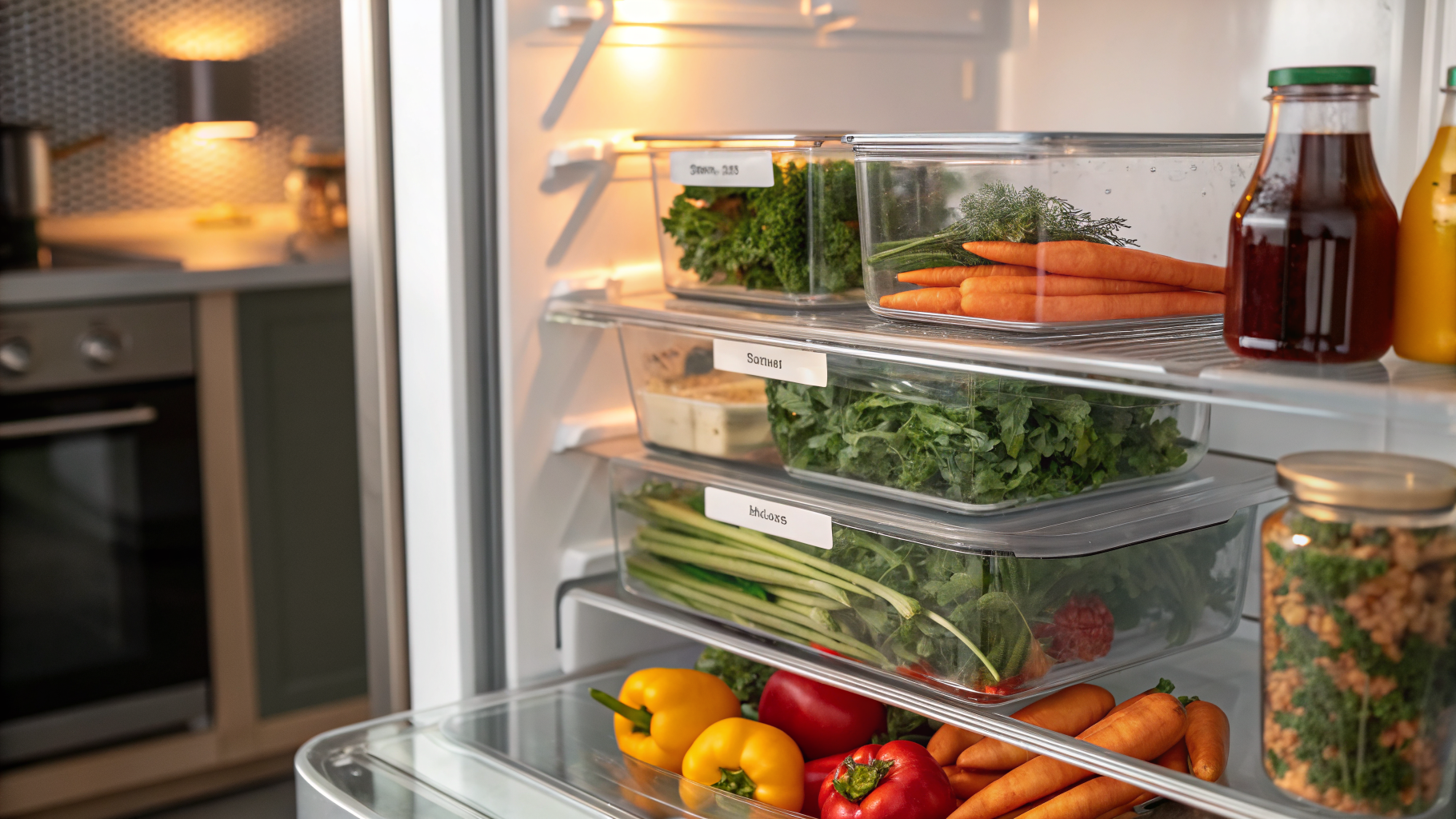
The FIFO method—First In, First Out—is a cornerstone of professional kitchens, and it works just as well at home. The concept is simple: when you buy new groceries, move older items to the front of your fridge and place newer ones in the back. This ensures you reach for the older yogurt, the slightly wilting spinach, or the leftover stir-fry before it becomes science project material. Research from the USDA shows that proper rotation can extend the usable life of perishables by up to 40%. To make FIFO effortless, invest in clear, stackable containers—glass or BPA-free plastic—so you can see exactly what you have. Label each container with a piece of masking tape and a Sharpie, writing the date you prepped or opened it. Within a week, this habit becomes second nature, and you’ll notice far fewer sad, forgotten containers hiding in the back corner.
Optimize Your Fridge Zones for Maximum Freshness
Not all parts of your refrigerator are created equal. The temperature can vary by as much as 5°F from the top shelf to the crisper drawer, and different foods thrive in different zones. Your fridge should be set to 37°F to 40°F—any warmer and bacteria multiply faster; any colder and leafy greens can freeze and turn to mush. Store milk and dairy on the lower shelves, where it’s coldest and most consistent. Keep raw meat on the bottom shelf in a sealed container to prevent drips onto ready-to-eat foods. The crisper drawers are designed for high-humidity items like leafy greens and herbs—set them to high humidity to retain moisture. Fruits like apples and pears give off ethylene gas, which speeds ripening, so store them in a separate low-humidity drawer or on a counter. A study from the University of California, Davis found that proper humidity control can double the shelf life of many vegetables. For an extra boost, line your crisper drawers with a paper towel to absorb excess moisture and prevent slimy greens.
Shop with a Plan—and a List
Impulse buys and vague intentions are the enemies of a waste-free kitchen. Before you step foot in the grocery store, take 10 minutes to plan your meals for the week. Check your pantry, fridge, and freezer for what you already have—you’d be surprised how many half-used jars of salsa or bags of frozen peas are lurking. Then, write a detailed shopping list organized by store aisle. Stick to it like it’s a contract. Data from the Natural Resources Defense Council shows that shoppers who use a list waste 30% less food than those who don’t. A smart tip: plan meals that share ingredients. If you buy a bunch of cilantro, use it in tacos one night and a cilantro-lime dressing for salads another. If you’re looking for recipe ideas that use what you have, DishIndex can help you filter by ingredients you already own, turning your pantry into a starting point rather than a afterthought.
Freeze Like a Pro—Not Just Leftovers
Your freezer is a waste-reduction powerhouse, but only if you use it correctly. The key is to freeze foods at their peak freshness, not after they’ve started to decline. Blanch vegetables like broccoli, green beans, and carrots for 1-2 minutes in boiling water, then plunge them into an ice bath before freezing. This stops enzyme activity that causes loss of flavor and texture. For berries, spread them on a baking sheet in a single layer, freeze for two hours, then transfer to a zip-top bag—this prevents a giant clump. Cooked grains like rice and quinoa freeze beautifully; portion them into 1-cup bags for quick meals. Label everything with the date and contents—frozen food can last 3-6 months, but flavor degrades over time. One game-changing technique: freeze herbs in olive oil in ice cube trays. Chop basil, parsley, or rosemary, pack them into the cubes, cover with oil, and freeze. Pop one out for soups, sauces, or sautéing all winter long.
Turn Scraps into Stock and More
Before you toss that onion skin, carrot top, or celery end, consider its potential. Vegetable scraps are gold for homemade stock. Collect them in a bag in your freezer—onion skins, mushroom stems, herb stems, even corn cobs—and when the bag is full, simmer them in water for 30 minutes with a bay leaf and peppercorns. Strain, and you have a flavorful base for soups and risottos. For fruit scraps, like apple peels or citrus rinds, you can infuse vinegar or make a simple syrup for cocktails. Stale bread becomes croutons or breadcrumbs in 10 minutes in the oven. Even coffee grounds can be used as a gentle exfoliant or added to compost. A study from the Journal of Cleaner Production found that using scraps creatively can reduce household food waste by up to 25%. It’s not about being perfect—it’s about building a mindset where every bit of food has value.
Store Herbs and Produce the Right Way
Herbs are notoriously finicky, but a few tricks keep them crisp for weeks. Treat tender herbs like cilantro, parsley, and basil like cut flowers: trim the stems, place them in a jar with an inch of water, and cover loosely with a plastic bag in the fridge (basil prefers room temperature, so keep it on the counter). For hardy herbs like rosemary and thyme, wrap them in a damp paper towel and store in a zip-top bag. Leafy greens like kale and spinach last longer if you wash them, dry thoroughly in a salad spinner, and store them with a paper towel in a sealed container. Mushrooms should stay dry—store them in a paper bag in the fridge, not plastic, to prevent sliminess. A 2020 study in Food Chemistry noted that proper storage can extend the life of produce by 5 to 10 days. That translates to fewer trips to the store and less food in the trash.
Try these recipes on DishIndex
Explore zero-waste recipes recipes and more