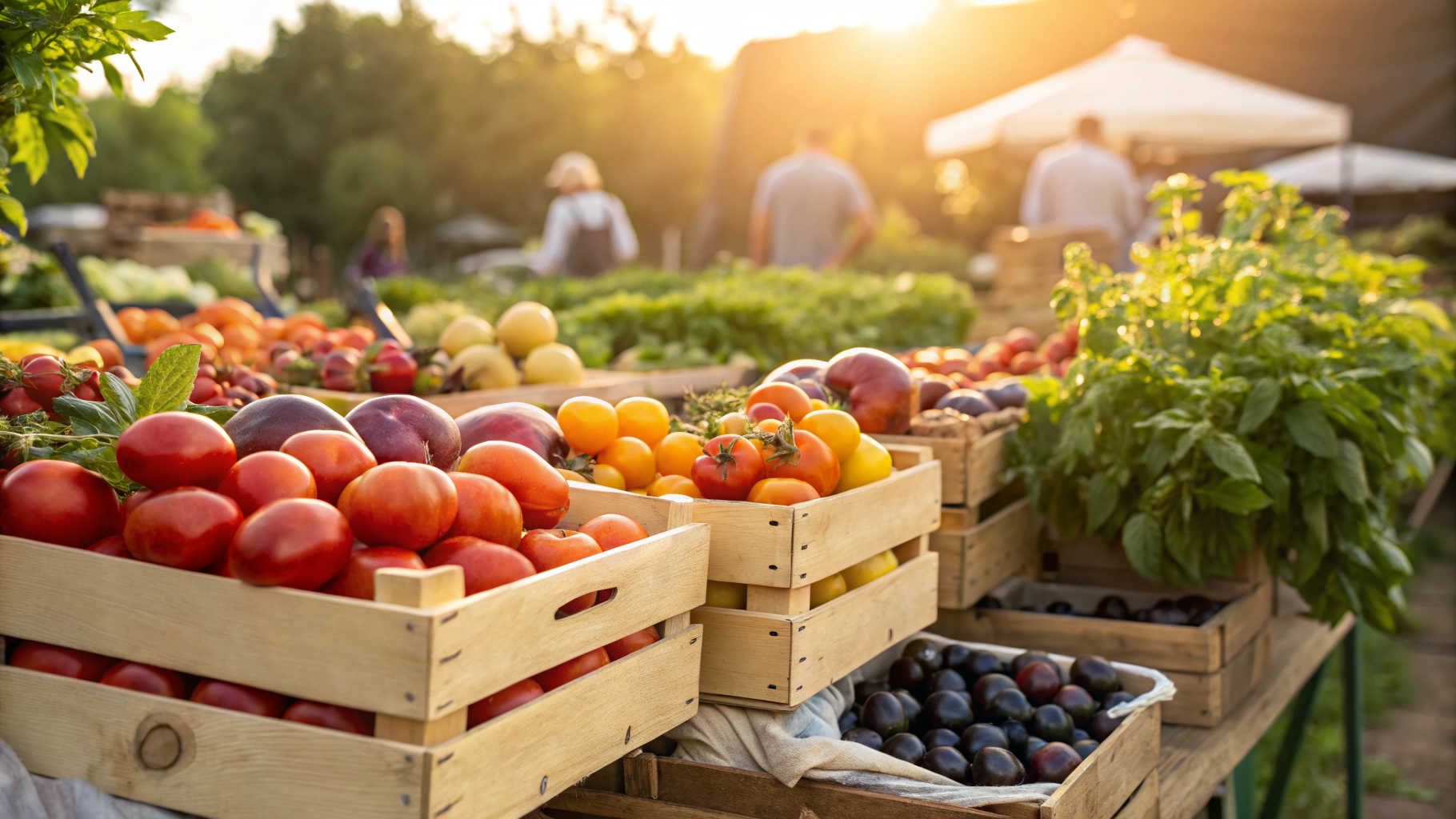
Picture this: a sun-warmed tomato, still carrying the scent of the vine, bursting with juice as you bite into it. That is the essence of seasonal eating — food at its peak, not just in flavor but in nutrition and environmental harmony. Yet most of us have become accustomed to strawberries in December and butternut squash in July, thanks to a global supply chain that prioritizes convenience over quality. The cost? A staggering 8% of global greenhouse gas emissions come from food transport, and produce picked before its prime can lose up to 50% of its nutrients within days. In this article, we will delve into why eating with the seasons is not just a nostalgic ideal but a powerful tool for your health and the planet. You will learn how to identify seasonal produce, reduce food waste, and make choices that support local farmers — all while enjoying more delicious, nutrient-dense meals.
The Hidden Cost of Out-of-Season Produce
When you buy a bunch of asparagus in October, you are not just paying for the stalks; you are funding a complex web of transportation, refrigeration, and often, hydroponic or heated greenhouse cultivation. A single kilogram of out-of-season asparagus from Peru flown to the United Kingdom emits about 12 kg of CO2 — roughly equivalent to driving a car 30 miles. In contrast, locally grown seasonal asparagus might emit as little as 0.5 kg. Moreover, studies show that produce harvested at peak ripeness contains significantly higher levels of vitamins and antioxidants. For instance, a study in the Journal of Agricultural and Food Chemistry found that broccoli harvested in fall had twice the vitamin C content of spring-harvested broccoli. The flavor compounds that make a peach taste like summer only develop fully when allowed to ripen on the tree.
How to Read the Seasons in Your Market
The key to seasonal eating lies in understanding your local growing calendar. In temperate climates, spring brings tender greens like arugula and peas; summer offers a cornucopia of tomatoes, zucchini, and berries; fall is for hearty squash, apples, and root vegetables; winter calls for storage crops like potatoes, onions, and cabbage. But not all produce travels well — for example, leafy greens lose moisture rapidly and are best sourced locally. One common mistake home cooks make is assuming that all produce in the supermarket is seasonal. Look for signs: if the strawberries are pale and woody, they were likely picked green and ripened with ethylene gas. Instead, visit farmers' markets or join a CSA, where you can ask growers directly about what is freshly harvested. A simple rule: if it is grown within 100 miles of your home and is in peak season, it will likely taste better and have a lower environmental footprint.
The Roots of Seasonal Eating: A Historical Perspective
Before refrigeration and global shipping, seasonal eating was not a choice but a necessity. In medieval Europe, the diet revolved around what could be preserved through winter: salted meats, dried legumes, and root vegetables stored in cellars. The arrival of spring was celebrated with feasts of fresh greens, believed to purify the blood after months of heavy foods. In Japan, the concept of shun emphasizes eating ingredients at their peak, deeply tied to cultural festivals and appreciation of nature. Similarly, in India, the Ayurvedic tradition prescribes seasonal diets to balance the body's doshas. These traditions recognized that nature provides what our bodies need at the right time — for example, cooling watermelon in summer and warming root vegetables in winter. Modern science supports this: a 2014 study found that seasonally grown spinach has higher levels of vitamin C and lower levels of nitrates than off-season spinach.
Pro Tip: Embrace Imperfect Produce to Reduce Waste
One of the most overlooked aspects of seasonal eating is that it often comes with an invitation to use every part of the ingredient. For example, carrot tops are delicious as pesto, and beet greens can be sautéed like chard. But perhaps the biggest secret to reducing waste is to embrace imperfect produce — the slightly misshapen apple or the oddly curved cucumber. In the United States, 20% of fruits and vegetables are rejected by supermarkets for cosmetic reasons, yet they are perfectly edible and often sold at a discount. When you buy seasonally, you are more likely to find such produce at farmers' markets. Another pro tip: plan your weekly menu around what is abundant and therefore cheaper. If zucchini is in season, make zucchini fritters, stuffed zucchini, and zucchini bread. This minimizes the chance of unused produce spoiling. Finally, learn simple preservation techniques like freezing, pickling, or fermenting to extend the life of seasonal bounty.
Seasonal Eating in a Modern Context: Science and Sustainability
Current food trends increasingly highlight the connection between diet and climate change. Research from the University of Oxford suggests that shifting to a diet based on seasonal, locally sourced foods could reduce an individual's food-related carbon footprint by up to 30%. Moreover, seasonal eating aligns with the principles of a Mediterranean diet, which is rich in plant-based foods and has been linked to lower risks of chronic diseases. Nutritionally, a 2019 study in the journal Nutrients found that seasonal produce had higher levels of polyphenols, which are antioxidants associated with reduced inflammation. Environmentally, supporting local farmers helps preserve biodiversity; heirloom varieties, often grown by small farms, require fewer pesticides and are adapted to local conditions. By choosing seasonal, you are also voting for a food system that prioritizes soil health and shorter supply chains over monoculture and long-distance transport.
Frequently Asked Questions
Q: How can I tell if produce is truly in season? A: Look for regional seasonal charts online from local extension offices or farmers' market groups. Also, note that in-season produce is often cheaper and more abundant at farmers' markets. Q: Is frozen produce a good alternative to fresh seasonal? A: Yes, frozen produce is typically flash-frozen at peak ripeness, preserving nutrients. It can be more sustainable than out-of-season fresh produce shipped long distances. Q: What if I live in a climate with limited seasonal variety? A: Focus on storage crops like root vegetables, winter squashes, and fermented foods. Consider joining a winter CSA or growing microgreens indoors for fresh greens.
Key Takeaways
Seasonal eating is a simple yet powerful way to improve your health and reduce your environmental footprint. Start by visiting your local farmers' market and asking what is freshly harvested. Learn to preserve the bounty through freezing, pickling, or fermenting to enjoy seasonal flavors year-round. Embrace imperfect produce to cut down on food waste and save money. Finally, plan your meals around what is abundant and in season — your taste buds and the planet will thank you. As you incorporate these practices, you will find a deeper connection to the natural rhythms of the earth and a renewed appreciation for the simple pleasure of a perfectly ripe, in-season fruit or vegetable.
Try these recipes on DishIndex
Explore seasonal vegetable recipes recipes and more