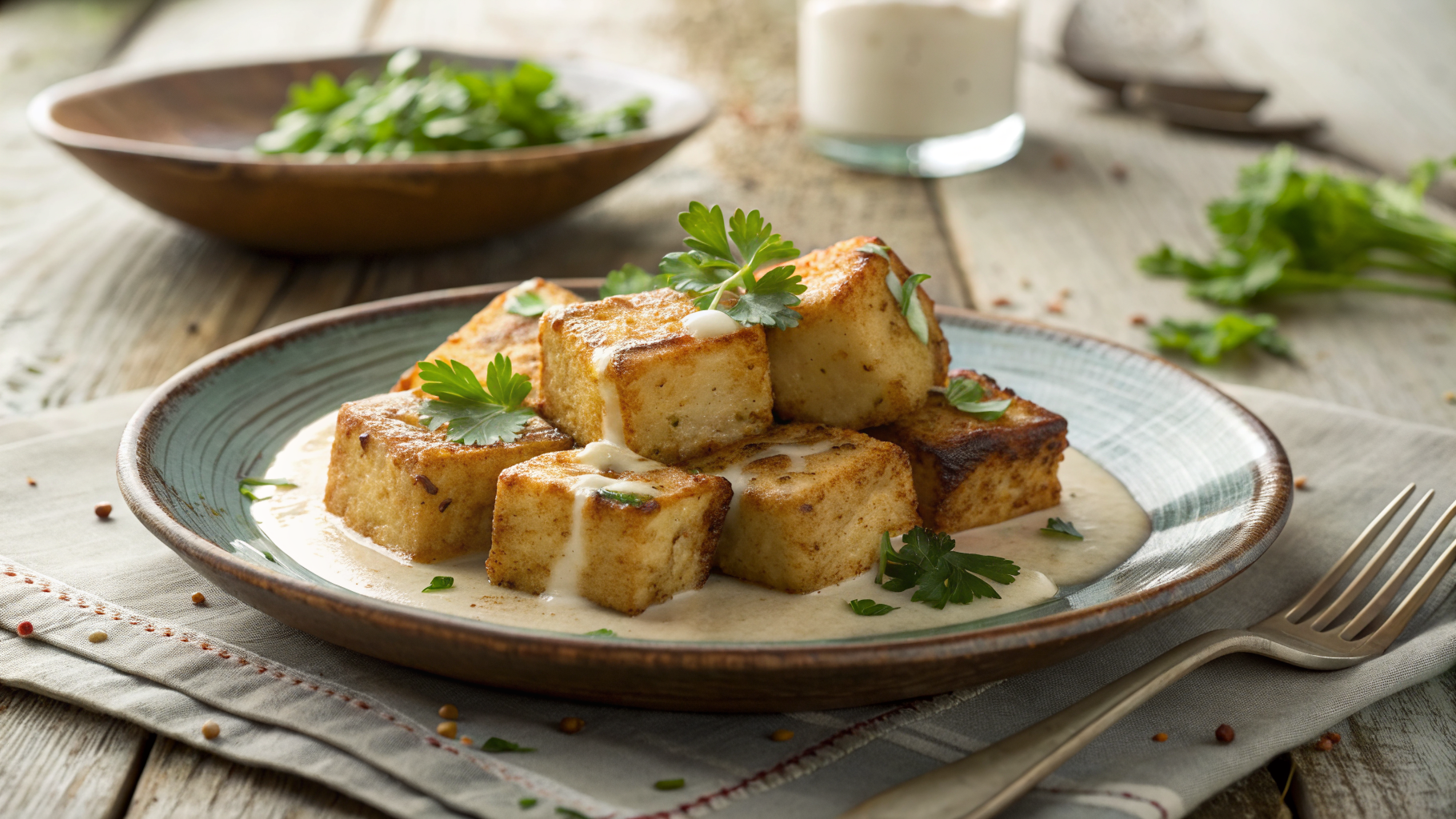
Imagine a dish so rich and flavorful that it prompts a marriage proposal—that's the playful promise behind Marry Me Tofu. While the original Marry Me Chicken hails from Italian-American kitchens, this vegan adaptation swaps poultry for firm tofu, infusing it with garlic, onion, oregano, and basil before baking to golden perfection. The result is a comforting, creamy dish that just happens to be entirely plant-based. But beyond its romantic lore, this recipe is a nutritional powerhouse. Tofu provides high-quality protein, olive oil supplies heart-healthy monounsaturated fats, and the blend of herbs delivers a surprising array of antioxidants. In this article, we'll explore the science behind each key ingredient, from tofu's role in muscle synthesis to oregano's antimicrobial properties. You'll learn how to maximize the health benefits while keeping the dish indulgent, and we'll share expert tips for pressing, marinating, and baking tofu to achieve the ideal texture. Whether you're cooking for a special someone or simply nourishing yourself, this Vegan Marry Me Tofu is a delicious way to support your well-being.
The Nutritional Profile of Firm Tofu
Firm tofu is the star of this dish, and for good reason. A 100-gram serving of firm tofu contains approximately 16 grams of protein, 8 grams of fat, and just 2 grams of carbohydrates, making it a low-calorie, high-protein food. It's also a complete protein, meaning it provides all nine essential amino acids that your body cannot synthesize. Tofu is rich in calcium—especially if set with calcium sulfate—with about 350 milligrams per 100 grams, contributing significantly to daily bone health. Additionally, it contains iron, magnesium, and manganese. Research published in the American Journal of Clinical Nutrition highlights that soy protein may help lower LDL cholesterol levels when consumed as part of a balanced diet. The isoflavones in tofu, particularly genistein and daidzein, have been studied for their potential role in reducing the risk of certain cancers and improving bone density in postmenopausal women. When you bake tofu, you also reduce its water content, concentrating these nutrients per bite. Pairing tofu with olive oil further enhances nutrient absorption, as fat-soluble vitamins like vitamin E from the oil are better absorbed.
Olive Oil and Herb Synergy: More Than Flavor
Olive oil is not just a cooking medium; it's a functional food. Extra virgin olive oil is rich in monounsaturated fatty acids, particularly oleic acid, which has been linked to reduced inflammation and improved cardiovascular health. A 2018 study in the journal Nutrients found that oleic acid can help lower blood pressure and improve lipid profiles. But olive oil also serves a practical purpose: it helps the dried herbs adhere to the tofu and facilitates the absorption of fat-soluble compounds from those herbs. Garlic powder and onion powder, while convenient, are concentrated sources of organosulfur compounds and flavonoids. Oregano and basil, both from the mint family, are packed with antioxidants like rosmarinic acid and eugenol. Research shows that oregano has one of the highest antioxidant capacities among culinary herbs, and basil contains compounds that may have anti-inflammatory effects. When combined, these herbs not only create a classic Mediterranean flavor profile but also contribute a synergistic boost of polyphenols. The smoked paprika you sprinkle before baking adds not only depth but also capsaicinoids, which may have mild metabolism-boosting effects. Together, these ingredients form a matrix of health-promoting compounds.
The Cultural Roots of Marry Me Tofu
The Marry Me Tofu recipe is a modern twist on a relatively recent classic. The original Marry Me Chicken gained viral popularity in the early 2020s, with its origins traced to a recipe from a North Carolina restaurant. The name plays on the idea that the dish is so good, it could inspire a proposal. As plant-based eating surged, home cooks began adapting the concept, replacing chicken with tofu to create a vegan version. This adaptation reflects a broader trend: the veganization of comfort foods. Tofu, with its neutral flavor and ability to absorb marinades, is a natural fit for creamy sauces. The dish also draws on French cuisine techniques—specifically, the use of a creamy sauce enriched with herbs. While the original is Italian-inspired, the French influence appears in the sauce's velvety texture, often achieved with coconut milk instead of dairy cream. This fusion of Italian-American comfort and French technique, filtered through a vegan lens, exemplifies how culinary traditions evolve. It's a testament to the creativity of home cooks who refuse to sacrifice flavor for ethics or health.
Pro Tip: Press and Marinate for Maximum Texture and Flavor
The most common mistake home cooks make with tofu is skipping the pressing step. Tofu is essentially a sponge, holding up to 85% water. If you don't press it, the marinade cannot penetrate, and the tofu steams rather than crisps in the oven. To press effectively, wrap the block in a clean kitchen towel and place a heavy skillet on top for at least 30 minutes—or use a tofu press for 15 minutes. This expels excess water, allowing the tofu to absorb the marinade deeply. After pressing, cut the tofu into 1-inch cubes and toss with olive oil, garlic powder, onion powder, oregano, and basil. Let it marinate for at least 20 minutes; the salt in the herbs will draw out remaining moisture and season the interior. When baking, arrange the cubes in a single layer on a parchment-lined sheet, ensuring space between them for air circulation. A 400°F oven for 25–30 minutes yields a crispy exterior and tender interior. Finally, the smoked paprika tip is a game-changer: add it just before baking for a subtle smokiness that mimics bacon and adds complexity.
Coconut Milk: A Dairy-Free Cream Sauce with Benefits
The creamy sauce in this dish typically uses full-fat coconut milk, which contributes richness and a subtle sweetness. Coconut milk contains medium-chain triglycerides (MCTs), which are metabolized differently from long-chain fatty acids—they are rapidly absorbed and used for energy, potentially boosting metabolism. However, it's important to note that coconut milk is high in saturated fat, so moderation is key. A 100-milliliter serving of canned coconut milk provides about 17 grams of fat, of which 15 grams are saturated. Despite this, recent research suggests that the saturated fat in coconut may not have the same negative effects on blood lipids as saturated fat from animal sources, though the evidence is mixed. The sauce also often includes nutritional yeast, which adds a cheesy, umami flavor and is a rich source of B vitamins, including B12—a critical nutrient for vegans. When combined with the tofu, the sauce creates a balanced macronutrient profile: protein from tofu, healthy fats from olive oil and coconut milk, and minimal carbohydrates. This makes the dish suitable for low-carb or ketogenic diets when served without starchy sides.
Frequently Asked Questions
Q: Can I use a different type of tofu? A: Firm or extra-firm tofu is best for this recipe because it holds its shape and crisps well. Silken tofu would break apart and create a different texture, so avoid it for the baked tofu component. Q: Is coconut milk necessary for the sauce? A: For a creamy sauce, full-fat coconut milk is ideal, but you can substitute cashew cream or oat cream for a similar richness. Each alternative will slightly alter the flavor and nutritional profile. Q: How can I make this dish oil-free? A: You can omit the olive oil and bake the tofu on parchment paper or use a non-stick silicone mat. The herbs may not adhere as well, so consider tossing the tofu in a little vegetable broth instead. The sauce can also be made oil-free by using coconut milk with lower fat content.
Key Takeaways
This Vegan Marry Me Tofu is more than a trendy recipe—it's a nutrient-dense meal that supports heart health, muscle maintenance, and overall well-being. Always press your tofu to ensure a crispy texture and maximum flavor absorption. The combination of olive oil and dried herbs provides a synergistic boost of antioxidants and anti-inflammatory compounds. Remember to use full-fat coconut milk for the creamiest sauce, but enjoy it in moderation due to its saturated fat content. The smoked paprika tip adds a depth of flavor that elevates the dish without extra calories. Finally, this recipe is adaptable: adjust the herbs to your taste, and consider serving it over whole grains or zucchini noodles for a balanced meal. With these insights, you're equipped to cook a dish that's both delicious and nourishing—one that might just inspire a proposal of a different kind: a commitment to plant-based eating.
Try these recipes on DishIndex
Explore Vegan Marry Me Tofu recipes and more