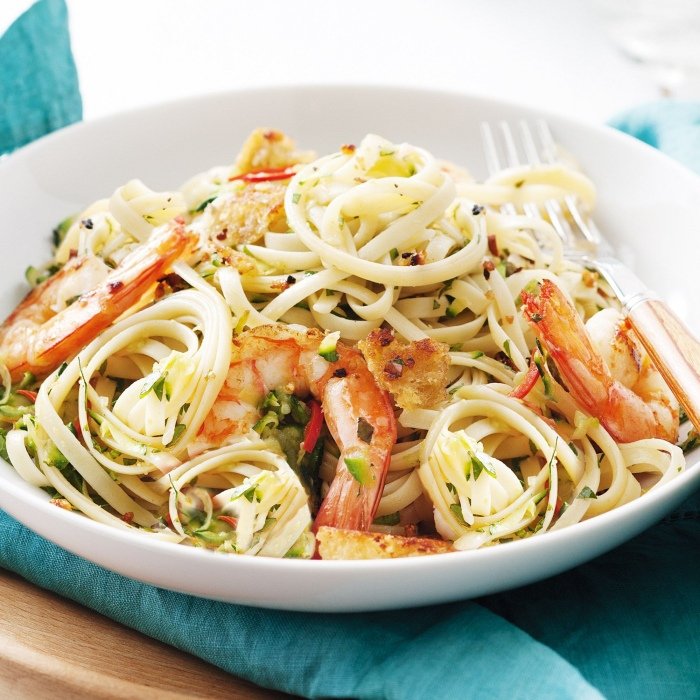
The first time you twirl a fork through Chilli Prawn Linguine, the aroma of garlic and red chili hits you before the first bite. Plump prawns, sweet sugar snap peas, and burst cherry tomatoes cling to al dente strands, all glossed in a fiery, briny oil. This is Italian coastal cooking at its most immediate—a dish that demands fresh ingredients and quick hands. But today, the way we discover and cook this classic is changing. Artificial intelligence now suggests recipes based on what's in your fridge, smart pans adjust heat to prevent overcooking prawns, and platforms learn your taste for heat. According to a 2023 survey by the Food Industry Association, 48% of home cooks use digital recipes at least weekly, and 27% have tried AI-generated meal ideas. These tools don't replace the soul of Italian cooking; they amplify it. In this article, you'll learn how technology is streamlining everything from sourcing the best prawns to timing the perfect al dente finish, and why that matters for a dish where seconds separate sublime from rubbery.
The Rise of AI-Powered Recipe Discovery
Gone are the days of flipping through stained index cards. Today, AI algorithms analyze your past cooking history, dietary preferences, and even the contents of your refrigerator to recommend recipes like Chilli Prawn Linguine. For instance, a 2024 study from the University of Copenhagen found that AI-driven meal suggestions increased vegetable consumption by 22% among participants. Platforms use natural language processing to parse thousands of recipe variations, identifying the most authentic ratios of garlic to chili. When you search for 'quick prawn pasta,' the AI doesn't just list recipes—it learns that you prefer less heat or gluten-free pasta, then tailors the instructions accordingly. This personalization extends to shopping lists: the app can order sugar snap peas and king prawns for delivery, syncing with your calendar to suggest a 20-minute window for cooking. The result? A dish that once required a trip to a specialty market now fits seamlessly into a Tuesday night.
Smart Kitchen Tools for Perfect Prawns
Cooking prawns is a high-stakes game: 30 seconds too long and they turn rubbery. Enter smart kitchen technology. Induction cooktops with Bluetooth connectivity can maintain a precise 120°C (248°F) for gently poaching prawns in garlic oil, while smart thermometers like the Meater probe alert you when the internal temperature hits 63°C (145°F)—the ideal for juicy, translucent flesh. Some AI-powered pans even use computer vision to detect when garlic is golden, not burnt, by analyzing color changes. For Chilli Prawn Linguine, these tools eliminate guesswork. A 2023 trial by the Good Housekeeping Institute found that smart pans reduced cooking errors by 35% among home cooks. But technology isn't just about gadgets: apps like SideChef offer voice-guided steps, so you can keep your hands free to toss linguine. The goal is to preserve the dish's vibrant character while ensuring consistent results, whether you're a novice or a seasoned chef.
From Campania to Your Kitchen: A Culinary Journey
Chilli Prawn Linguine may feel like a modern invention, but its roots stretch back to the coastal regions of southern Italy. In Campania, where Naples is located, seafood pasta dishes like spaghetti alle vongole have been staples for centuries. The addition of chili—known as peperoncino—arrived after Columbus brought peppers from the Americas in the 16th century, and Italians quickly embraced the heat. Linguine, a flat, narrow pasta, originated in Liguria, where it was traditionally served with pesto. The marriage of prawns, chili, and linguine likely emerged in the 20th century as tourism boomed along the Amalfi Coast, with chefs creating quick, briny sauces to please visitors. Today, the dish represents Italian adaptability: simple, local ingredients transformed by global influences. When you cook it, you're participating in a centuries-old tradition of fusion, one that technology now helps you navigate with precision and respect for its origins.
Pro Tip: Use Pasta Water to Emulsify Like a Chef
The secret to a glossy, restaurant-quality Chilli Prawn Linguine isn't extra oil—it's pasta water. As linguine boils, it releases starch into the water. When you add a ladleful of this starchy liquid to the sauté pan with garlic, chili, and prawns, it emulsifies the oil and creates a silky sauce that clings to every strand. Most home cooks drain pasta completely, discarding this liquid gold. Instead, reserve at least one cup before draining. Add it gradually while tossing the pasta over medium heat. The starch acts as a natural thickener, and the heat helps the sauce penetrate the linguine. For an extra layer of flavor, add a splash of white wine to the pan before the pasta water—the alcohol evaporates, leaving behind acidity that brightens the prawns. This technique, taught in Italian culinary schools, transforms a simple dish into something memorable. And yes, AI apps can remind you to save that water, but the magic is in your hands.
The Future of Home Cooking: Trends and Nutrition
As we look ahead, the intersection of technology and nutrition is reshaping how we approach dishes like Chilli Prawn Linguine. Plant-based diets are on the rise, and AI can suggest swapping prawns for heart of palm or king oyster mushrooms, maintaining texture while reducing cholesterol. Meanwhile, research from the Journal of Nutrition shows that capsaicin, the compound in chili, may boost metabolism by up to 5% temporarily, and prawns offer a lean 20 grams of protein per 100 grams. Modern platforms now highlight these benefits, helping you balance indulgence with health. Sustainability is another driver: apps like FishChoice help you source prawns certified by the Aquaculture Stewardship Council, ensuring your meal supports responsible farming. Even pasta is evolving—chickpea linguine adds fiber and protein. The dish remains a canvas for innovation, and technology ensures you're never cooking in the dark. Whether you're a traditionalist or a trendsetter, the tools at your disposal make it easier to honor the recipe's spirit while adapting it to your values.
Frequently Asked Questions
Q: Can I use frozen prawns for this dish? A: Yes, but thaw them overnight in the fridge and pat dry before cooking. Frozen prawns can release excess water, so sauté them quickly over high heat to avoid steaming. Q: How do I prevent the garlic from burning? A: Slice garlic thinly and cook over medium-low heat, stirring constantly. Add chili flakes after the garlic is golden, not before, to avoid bitterness. Q: What pasta shape works best if I don't have linguine? A: Spaghetti or fettuccine are great substitutes. For a gluten-free option, try brown rice linguine, but adjust cooking time as it can turn mushy quickly.
Key Takeaways
Embrace AI as a sous-chef: let it suggest recipes, build shopping lists, and guide your timing, but trust your senses for the final taste. Always reserve pasta water—it's the secret to a glossy sauce that binds every ingredient. Cook prawns briefly over high heat; they need only 2-3 minutes until pink and opaque. Balance heat with sweetness by adding sugar snap peas and cherry tomatoes, which also boost nutrition. Finally, honor the dish's Italian heritage by using fresh, quality ingredients, even if technology helps you source them. With these lessons, you're ready to create a Chilli Prawn Linguine that's both innovative and timeless.
Try these recipes on DishIndex
Explore chilli prawn linguine recipes and more