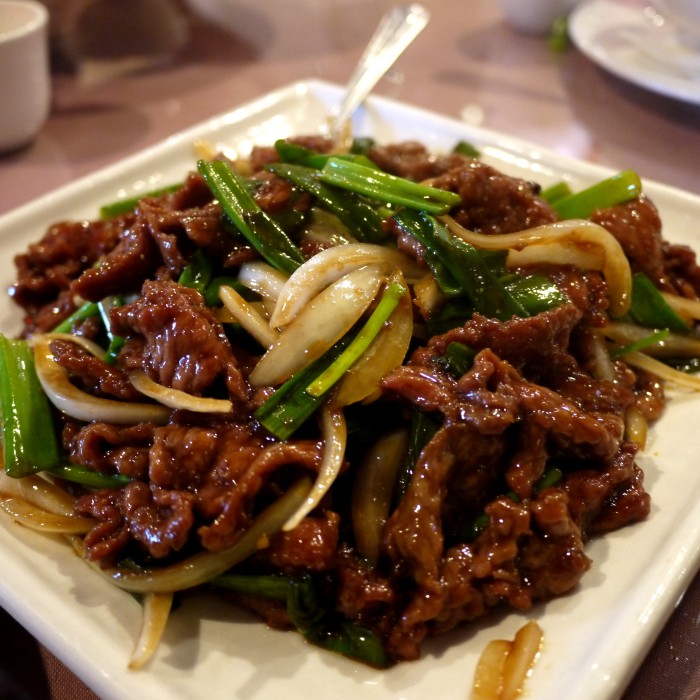
The wok is smoking, the oil shimmers, and the moment the beef hits the metal you hear it: a sharp, aggressive hiss that tells you everything is going right. That sound is the whole game with Szechuan beef. This dish, a staple of Chinese-American restaurant menus and a cousin of true Sichuan dry-fried preparations, lives or dies on heat, timing, and a marinade built on egg white and cornstarch. Get those right and you produce glossy, tender slices with caramelized edges and a warm, peppery hum. Get them wrong and you get gray, weeping meat swimming in its own juices. I learned that lesson the hard way once, dumping a small avalanche of white pepper into a marinade and serving a dish that made my dinner guests cough politely into their napkins. This article unpacks the culinary science behind velveting, the physics of a proper sear, the cultural story of the dish, and the specific errors that trip up home cooks. By the end, you will know exactly why each step exists, and how to execute it with confidence rather than hope.
The Science of Velveting: Egg White and Cornstarch
That egg white and cornstarch coating is not a batter; it is a chemical intervention. Cornstarch, a pure starch, gelatinizes in the presence of heat and moisture, forming a thin, slippery film around each slice of beef. This barrier slows moisture loss during the violent heat of stir-frying, which is why velveted beef stays juicy even when cooked in under two minutes. The egg white contributes alkaline proteins that raise the meat's surface pH slightly, reducing the tightening of muscle fibers and helping the starch adhere evenly. There is a practical limit: too much cornstarch and you get a gluey, pasty texture rather than a crisp one. Chefs typically use roughly one teaspoon of cornstarch per half pound of beef, whisked with about half an egg white until it looks like thin cream. Rest the coated beef for at least fifteen minutes, ideally thirty, in the refrigerator. That rest lets the starch hydrate fully and the coating set, so it clings during cooking instead of sliding off into the oil.
Why Your Pan Must Scream Before the Beef Touches It
The single most common failure in home Szechuan beef is a lukewarm pan. When beef enters a pan that is not hot enough, the surface moisture evaporates slowly, and the meat effectively steams in its own liquid, turning gray and releasing a puddle of water that drops the pan temperature further. A properly heated carbon steel or cast iron wok, by contrast, sits well above 400 degrees Fahrenheit at the surface, so moisture flashes to steam almost instantly and the Maillard reaction, the browning chemistry between amino acids and sugars, proceeds rapidly. That reaction is responsible for the deep, savory crust and roasted flavor notes you associate with restaurant stir-fry. Heat the empty pan until a droplet of water beads and skitters across the surface, then add oil and wait a few seconds for it to shimmer. Cook in small batches, never crowding the pan, because each addition of cold meat pulls heat out of the metal.
White Pepper, Sesame Oil, and the Balance of Aromatics
White pepper is the quiet signature of this dish and the easiest ingredient to ruin. Unlike black pepper, which brings a resinous bite, white pepper delivers a sharp, almost fermented heat that lingers at the back of the throat. A quarter teaspoon in a marinade for half a pound of beef is plenty; my infamous overpour was closer to two tablespoons, which is the gustatory equivalent of a fire alarm. Sesame oil works differently again: toasted sesame oil is a finishing aromatic, not a high-heat cooking fat, and it turns bitter when pushed past its smoke point. Add a teaspoon to the marinade for fragrance and reserve a few drops for the finished dish. Ginger and garlic should be minced fine and added to the hot oil for only fifteen to twenty seconds before the beef returns, just long enough to bloom their volatile compounds without scorching them into acrid bitterness.
The American Story of Szechuan Beef
Despite the name, the Szechuan beef served in most Western restaurants is a Chinese-American invention rather than a dish you would find in Chengdu. True Sichuan cooking is famous for ma la, the numbing-and-hot interplay of Sichuan peppercorns and chilies, and for dry-fried techniques like gan bian that cook meat low and slow until chewy and intensely flavored. The restaurant version that took hold in North America from the 1970s onward adapted those flavor signposts to local palates and kitchen logistics: sliced beef, a quick velveting marinade, a sweet-savory sauce, and a fast wok sear. It belongs to the same family as General Tso's chicken and beef with broccoli, dishes born of immigrant entrepreneurship rather than provincial tradition. Understanding that history is not a correction; it is an invitation. You are cooking a genuinely American dish with Sichuan DNA, which means you have permission to lean into the numbing peppercorn heat or keep it gentle, depending on your table.
Pro Tip: Dry the Beef Before You Marinate It
Here is the step almost every home recipe skips, and it makes an outsized difference. Before the marinade touches the meat, pat the sliced beef thoroughly dry with paper towels and let it sit uncovered in the refrigerator for ten minutes. Surface moisture is the enemy of both adhesion and sear: a wet slice dilutes the cornstarch slurry, so the coating slides off, and it drops the pan temperature on contact. Drying also concentrates the surface proteins, giving the starch something to grip. Slice against the grain as well, cutting across the muscle fibers at a slight angle to shorten them, which mechanically tenderizes each piece before any chemistry happens. If you have time, freeze the beef for twenty minutes before slicing; firm meat yields cleaner, more uniform slices, and uniform thickness means uniform cooking. These three moves, drying, chilling, and slicing across the grain, cost you almost nothing and eliminate the most frequent texture complaints.
Where Szechuan Beef Fits in Modern Cooking
Stir-frying is enjoying a quiet renaissance as cooks rediscover high-heat, low-fat techniques that preserve vegetable texture and use less oil than frying. Beef itself has also been rehabilitated nutritionally: a three-ounce portion of lean sirloin delivers roughly 25 grams of protein along with iron, zinc, and vitamin B12, nutrients that plant-based eaters often need to plan around deliberately. The dish also fits the current appetite for weeknight cooking that feels restaurant-grade: total active time under twenty minutes, pantry-stable ingredients, and a technique, velveting, that transfers to chicken, pork, and even firm tofu. Chefs increasingly treat the wok as a precision instrument rather than a rustic pan, and the growing interest in wok hei, the smoky, seared flavor that comes from cooking over a fierce flame, reflects that shift. Cooking Szechuan beef well is less about chasing authenticity and more about mastering heat control, a skill that elevates everything else you make.
Frequently Asked Questions
Q: Can I substitute cornstarch with something else? A: Potato starch or tapioca starch both work well and behave similarly, though potato starch gives a slightly crisper finish. Avoid wheat flour, which produces a heavier, doughy coating that will not velvet properly. Q: Why did my beef come out tough and chewy? A: Overcrowding the pan and slicing with the grain are the usual culprits. Cook in small batches over high heat, and always slice perpendicular to the muscle fibers so each piece is short and tender. Q: Is Szechuan beef actually from Sichuan province? A: Not in its restaurant form. The dish is a Chinese-American adaptation that borrows Sichuan flavor cues like chili heat, while true Sichuan cooking emphasizes numbing peppercorns and dry-frying techniques. Both traditions are worth exploring on their own terms.
Key Takeaways
Great Szechuan beef is a heat-management problem before it is a flavor problem, so preheat your wok until water skitters, then work in small batches. Velvet the beef with about a teaspoon of cornstarch and half an egg white per half pound, and let it rest so the coating adheres. Treat white pepper as a precision ingredient: a quarter teaspoon is a warm hum, two tablespoons is a catastrophe. Dry the sliced beef before marinating, chill it briefly for cleaner cuts, and always slice against the grain. Finally, respect your fats: use a high-smoke-point oil for searing and save toasted sesame oil for the finish. Master those moves and you will produce glossy, tender, deeply savory beef with genuine wok character, no pepper disasters required.
Try these recipes on DishIndex
Explore Szechuan beef recipes and more