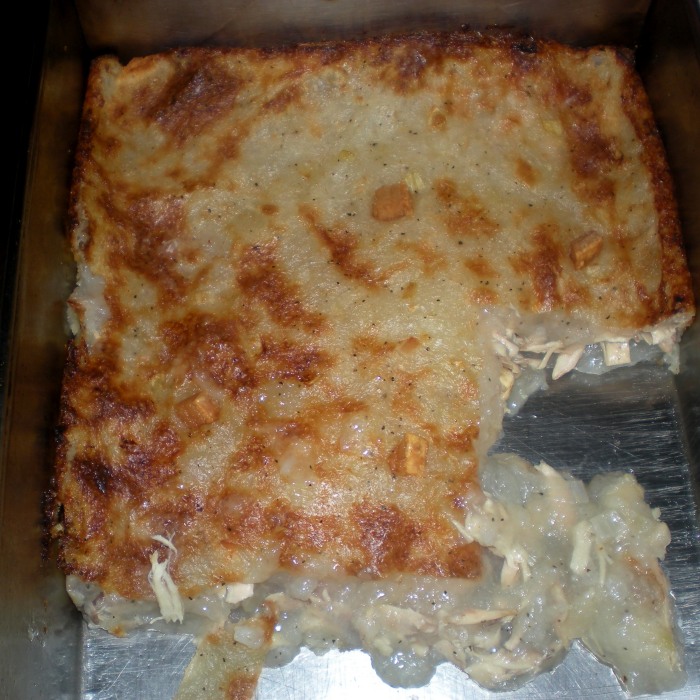
Imagine a cold Acadian evening in Nova Scotia, where the wind whips off the Bay of Fundy and the kitchen windows fog with steam. On the table sits a deep earthenware dish, its surface a mosaic of amber and gold, promising warmth with every spoonful. This is Rappie Pie, a dish born of scarcity and ingenuity, where humble potatoes and chicken transform into something profoundly nourishing. For centuries, Acadian families have relied on this casserole for sustenance during long winters, and its genius lies in its simplicity: grated potatoes, squeezed of their starch and bathed in rich broth, create a creamy, almost dumpling-like base that cradles tender chicken and sweet caramelized onions. But here's the thing: Rappie Pie is not a quick weeknight dinner. It demands time, patience, and a certain reverence for tradition. That's precisely why it's a perfect candidate for meal prep. By making a large batch on a leisurely Sunday, you can enjoy its deep, comforting flavors throughout the week, reaping the benefits of a dish that actually improves with time. In this article, you'll discover how to master the art of batch cooking Rappie Pie, from selecting the right potatoes to storing and reheating portions without sacrificing texture. You'll also learn how this hearty classic fits into a balanced, realistic diet, and why it deserves a place in your weekly rotation.
Why Rappie Pie Is a Meal Prep Dream (Despite the Effort)
At first glance, Rappie Pie seems like the antithesis of meal prep: it requires grating up to 5 pounds of potatoes, squeezing them dry in a cloth, and layering them with chicken and broth before a long, slow bake. But that upfront effort pays off in spades. The dish is inherently scalable—double the recipe and you have two casseroles, one for now and one for the freezer. More importantly, its flavor deepens overnight as the potatoes absorb the savory broth and the onions meld into the mixture. Unlike many casseroles that turn soggy upon reheating, Rappie Pie's dense, pudding-like texture holds up beautifully; in fact, many Acadians insist it's better the next day. A single batch yields 8 to 10 generous servings, meaning you can portion it out for four days of lunches or two weeks of dinners if you freeze half. And because it contains protein from chicken, carbohydrates from potatoes, and vegetables from onions, it's a complete meal in one dish—just add a side salad or steamed greens to round it out. The key is to embrace the process: set aside a Sunday afternoon, put on some music, and let the rhythmic grating become a meditation. Your future self will thank you.
The Potato Matter: Choosing and Preparing the Right Spuds
The soul of Rappie Pie is the potato, and not all spuds are created equal. Traditional Acadian recipes call for starchy potatoes like Russets or Kennebecs, which yield a fluffy, light texture when grated and squeezed. Waxy potatoes, such as reds or fingerlings, will turn gluey and dense—avoid them. The critical step is removing excess starch: after grating, the potatoes are wrapped in cheesecloth or a clean pillowcase and wrung out until nearly dry. This process, known as “squeezing the starch,” prevents the pie from becoming gummy and allows the potatoes to absorb the hot chicken broth, which is added back in to create the signature creamy consistency. Many home cooks rush this step, leaving too much moisture and ending up with a soupy casserole. Take your time: squeeze in batches, and don't be afraid to get aggressive. The reward is a texture that's simultaneously hearty and light, almost like a savory bread pudding. For meal prep, you can grate and squeeze the potatoes a day ahead, storing them in an airtight container in the fridge with a little lemon juice to prevent browning. Then assembly becomes a quick layering job on baking day.
From Acadian Kitchens to Your Freezer: A Storied History
Rappie Pie, also known as “râpure” in French, is a cornerstone of Acadian cuisine, with roots stretching back to the 18th century. After the Great Expulsion of 1755, when British forces deported thousands of Acadians from their homeland in what is now Nova Scotia, the displaced community settled in pockets along the eastern seaboard, from Louisiana to Maine. In these new, often harsh environments, they relied on shelf-stable ingredients: potatoes, onions, and whatever meat was available. The dish evolved as a way to stretch a small amount of chicken or pork into a filling meal for large families. Traditionally, it was baked in a wood-fired oven and served at community gatherings, church suppers, and holiday tables. Today, Rappie Pie remains a beloved comfort food in Acadian communities, particularly in Nova Scotia's Clare region and in New Brunswick. Its preparation is often a communal affair, with family members gathered around a table, taking turns grating potatoes and sharing stories. By batch cooking Rappie Pie, you're not just preparing meals—you're participating in a centuries-old tradition of resourcefulness and community.
Pro Tip: The Broth-to-Potato Ratio That Makes or Breaks the Pie
Even seasoned cooks often stumble on the broth ratio, ending up with a pie that's either dry and crumbly or overly wet. The secret lies in weighing your squeezed potatoes and using a precise ratio: for every pound of squeezed potatoes, use 2 cups of hot chicken stock. This might seem like a lot, but the dry potatoes will absorb it eagerly, swelling into a creamy, cohesive mass. The stock must be hot—not boiling, but steamy—so it doesn't shock the potatoes. Pour it gradually, stirring constantly, until the mixture resembles thick oatmeal. Then, let it rest for 10 minutes before layering; this allows the potatoes to fully hydrate. Another pro move: fortify the stock with a splash of white wine or a bay leaf simmered in it for 10 minutes, then removed. This adds a subtle depth that complements the caramelized onions. Finally, don't skip the resting period after baking: let the pie sit for at least 20 minutes before slicing. This allows the layers to set, making portioning for meal prep clean and neat. These small details elevate Rappie Pie from good to unforgettable.
Rappie Pie in a Balanced Diet: Comfort Food That Nourishes
In an era of restrictive diets and quick fixes, Rappie Pie stands as a testament to the power of real, whole foods. Yes, it's rich and hearty, but it's also a nutritional powerhouse when enjoyed in moderation. A serving provides a balance of protein from chicken, complex carbohydrates from potatoes, and fiber from onions. Potatoes often get a bad rap, but they're an excellent source of potassium (more than a banana) and vitamin C. The dish is also naturally gluten-free, making it accessible to those with celiac disease or gluten sensitivity. For a balanced plate, pair a moderate portion of Rappie Pie with a large serving of steamed greens or a crisp salad—the acidity of a vinaigrette cuts through the richness beautifully. And because it's a complete meal, it simplifies weekly planning: one dish covers your protein, starch, and some vegetables. For those watching their intake, simply moderate portion sizes and enjoy the leftovers for lunches. The key is to view comfort food not as a treat to be earned, but as part of a varied, realistic diet that includes both nourishment and pleasure.
Frequently Asked Questions
Q: Can I freeze Rappie Pie? A: Yes, Rappie Pie freezes beautifully. Bake it fully, cool completely, then wrap individual portions or the whole casserole tightly in foil and plastic. Freeze for up to 3 months. Reheat from frozen at 350°F for 45-60 minutes, or thaw overnight in the fridge and reheat for 20-30 minutes. Q: How long does Rappie Pie last in the fridge? A: Properly stored in an airtight container, Rappie Pie will keep for 4 to 5 days in the refrigerator. The flavors actually improve after a day or two as the potatoes absorb the broth. Reheat portions in the microwave or oven until steaming hot. Q: Can I make Rappie Pie ahead and bake it later? A: Absolutely. Assemble the pie up to 24 hours in advance, cover, and refrigerate. Bring it to room temperature for 30 minutes before baking, then bake as directed, adding 10-15 minutes to the cooking time. This makes it ideal for stress-free entertaining or weekly meal prep.
Key Takeaways
Rappie Pie is more than a recipe; it's a lesson in patience and resourcefulness. To make it work for your weekly meal prep, start by choosing starchy potatoes and squeezing them thoroughly dry—this is non-negotiable for the right texture. Use the 2:1 broth-to-potato ratio by weight, and always add hot stock gradually. Bake a double batch: one for now, one for the freezer. Portion into individual servings for grab-and-go lunches, and pair with a fresh salad to balance the richness. Remember that this dish improves with time, so leftovers are a gift. Finally, honor its Acadian roots by sharing it with others—whether that's a neighbor or your future self on a busy Wednesday. With these strategies, you can enjoy the deep comfort of Rappie Pie any day of the week, knowing you've nourished both body and soul.
Try these recipes on DishIndex
Explore Rappie Pie recipes and more