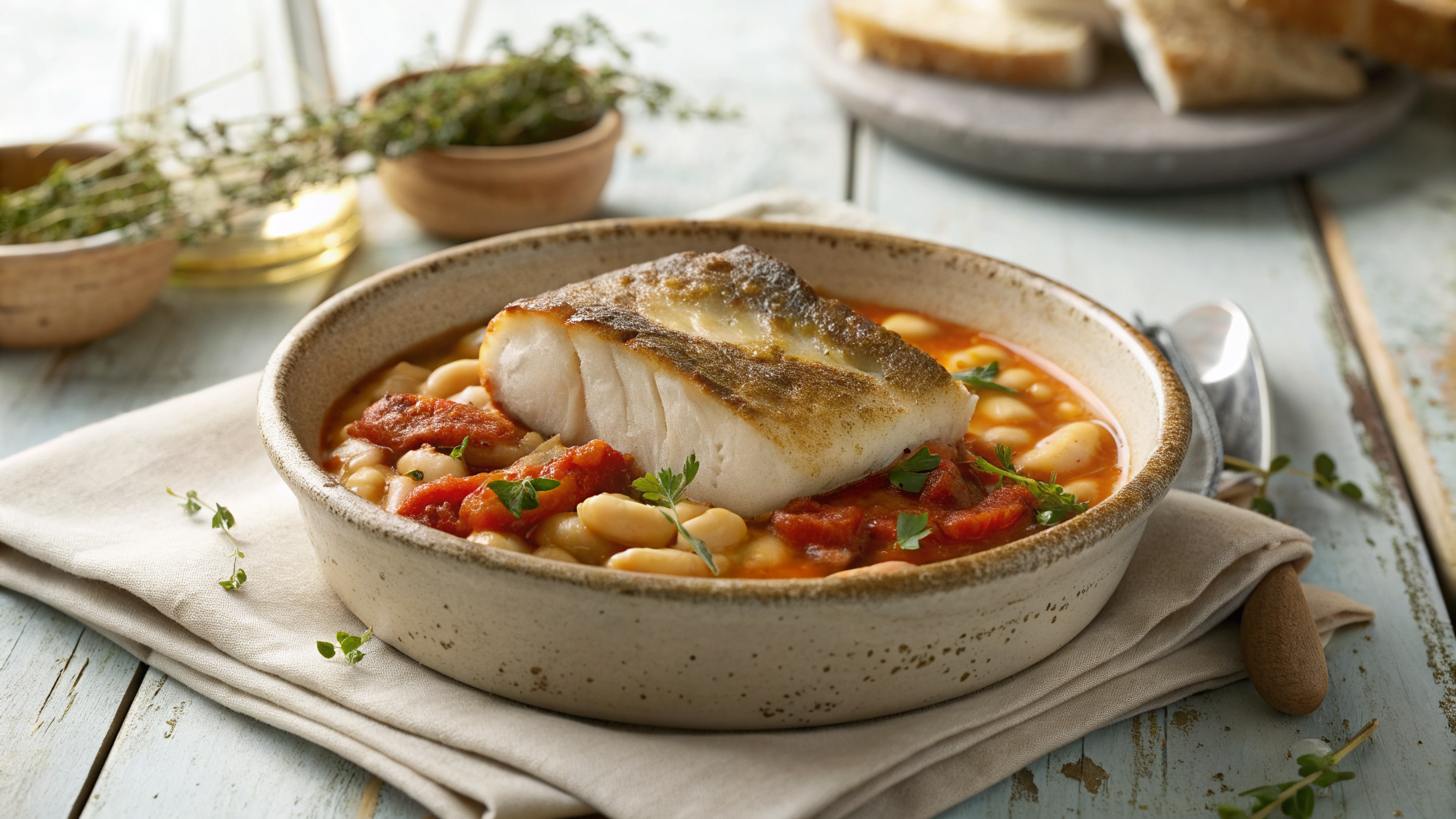
Imagine the salty breeze of the Atlantic coast, the clatter of a fishing port at dawn, and the scent of garlic and bay leaves simmering in olive oil. That's the soul of Spanish hake with white bean and chorizo broth—a dish that embodies the simplicity and depth of Iberian cooking. But today, we're not just savoring its flavors; we're reimagining it through a lens of sustainability. Hake, a staple in Spanish kitchens, is often overfished, and traditional chorizo can carry a hefty carbon footprint. Yet with mindful choices—like sourcing certified sustainable hake, using local dried beans, and opting for pasture-raised chorizo—this dish can become a model of eco-conscious cooking. In this article, you'll learn how to make the classic recipe with a green twist, from soaking beans to frying fish, while discovering the cultural roots and environmental impact of each ingredient. Get ready to cook a meal that's as nourishing for the planet as it is for your body.
The Unsung Hero: Dried White Beans
Dried white beans, such as the creamy alubia blanca or the nutty cannellini, are the backbone of this broth. Unlike canned beans, dried ones offer superior texture and flavor, and they're far more eco-friendly—canned beans require energy-intensive processing and packaging, while dried beans can be bought in bulk, reducing plastic waste. Soaking them overnight not only cuts cooking time but also reduces phytic acid, improving nutrient absorption. In Spain, beans are a cornerstone of regional cuisine, from the asturian fabada to the Catalan escudella. For this dish, simmer them with garlic, bay leaves, and thyme to build a savory foundation. The broth becomes a canvas for the smoky chorizo and the delicate hake. By choosing local, organic dried beans, you support sustainable agriculture and enjoy a fresher product. Plus, any leftover beans can be frozen or repurposed into soups, salads, or dips—zero waste, maximum flavor.
Hake: A Sustainable Seafood Choice
Hake is a mild, flaky white fish beloved in Spain and Portugal, but its popularity has led to overfishing in some regions. To enjoy it responsibly, look for hake certified by the Marine Stewardship Council (MSC) or sourced from well-managed fisheries like the Celtic Sea or Bay of Biscay. These populations are healthier and fishing methods have lower bycatch. Alternatively, consider swapping hake for other sustainable white fish like pollock, haddock, or even farmed tilapia. When pan-frying, the key is a hot pan and a thin layer of olive oil—this creates a golden crust while keeping the inside moist. Avoid overcrowding the pan, as steaming will prevent that desirable crispness. And don't discard the skin: it's rich in collagen and omega-3s, and when crisped, it adds a delightful texture. By making informed choices, you can savor this dish with a clear conscience, knowing you're supporting ocean health.
Chorizo: The Flavor Bomb with a Footprint
Chorizo, with its smoky paprika and garlic, is the ingredient that ties the broth together. However, conventional chorizo often comes from industrial pork production, which contributes to deforestation, water pollution, and greenhouse gas emissions. To reduce your impact, seek out chorizo made from pasture-raised pigs, ideally from local farms. These operations sequester carbon, promote biodiversity, and often produce higher-quality meat. If you're feeling adventurous, you can even make your own chorizo using sustainably sourced pork shoulder and natural casings—it's a rewarding project that lets you control the spices and avoid additives. In this recipe, a little chorizo goes a long way: its rendered fat infuses the broth with depth, so you can use just 50 grams per serving. This not only cuts calories but also reduces the environmental cost. Remember, moderation and mindful sourcing are key to enjoying chorizo sustainably.
Pro Tip: Build Flavor with Zero Waste
One of the most overlooked steps in this recipe is how you handle the aromatics. Instead of discarding garlic skins, bay leaf stems, or thyme sprigs, add them to the bean cooking liquid for extra flavor—then strain them out. This zero-waste trick extracts every bit of goodness and reduces food scraps. Another pro move: use the chorizo fat to fry the hake. After browning the chorizo, remove it, and sear the fish in the same pan. The fish absorbs that smoky essence, and you save on added oil. Finally, don't toss the hake bones or skin. Simmer them with the bean broth to create a quick fish stock, which can be frozen for future use. These small actions add up, turning a single dish into a multi-meal, waste-free endeavor. Your taste buds and the planet will thank you.
The Cultural Roots of a Coastal Classic
This dish is a variation of traditional Spanish cocina de aprovechamiento—cooking that makes the most of local, seasonal ingredients. In the Basque Country, hake is often prepared in pil-pil sauce, while in Andalusia, it's paired with chickpeas and spinach. The addition of chorizo and white beans reflects the influence of extremeño and castellano cuisines, where hearty stews are staples. Historically, fishing communities relied on whatever catch was abundant, and beans provided protein and sustenance. Today, this dish represents a bridge between tradition and innovation. By adapting it with sustainable practices, we honor the resourcefulness of our ancestors while addressing modern environmental challenges. It's a reminder that Spanish cuisine is not static; it evolves with the times, always prioritizing flavor and community.
Frequently Asked Questions
Q: Can I use canned beans instead of dried? A: Yes, but rinse them well and add them in the last 10 minutes of simmering to avoid mushiness. Dried beans offer better texture and flavor, but canned is a convenient shortcut. Q: What if I can't find hake? A: Substitute with other sustainable white fish like cod, pollock, or haddock. Adjust cooking time based on thickness, and ensure the fish is opaque and flakes easily. Q: Is this dish gluten-free? A: The broth itself is gluten-free, but chorizo may contain fillers. Check labels or make your own. Serve with gluten-free bread if needed.
Key Takeaways
Embrace sustainable seafood by choosing certified hake or alternatives. Reduce waste by using every part of your ingredients, from garlic skins to fish bones. Opt for local, dried beans to cut packaging and support farmers. Choose pasture-raised chorizo in moderation for flavor and environmental benefits. Finally, remember that small, mindful choices in the kitchen can create a delicious meal that respects both tradition and the planet. Now, gather your ingredients, soak those beans, and get ready to cook a dish that's as nourishing for the soul as it is for the Earth.
Try these recipes on DishIndex
Explore hake chorizo broth recipes and more