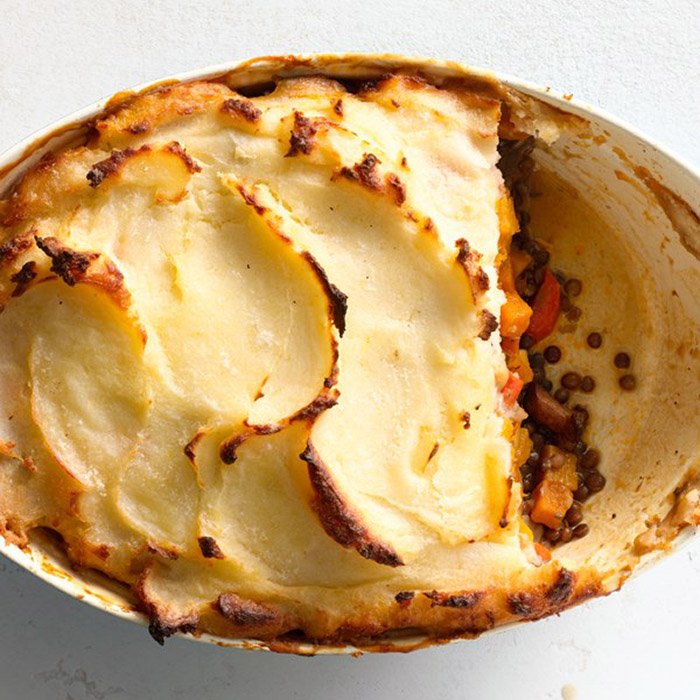
Imagine the aroma of garlic and thyme curling through a warm kitchen as a cast-iron skillet emerges from the oven, its surface a mosaic of golden potato peaks. This is vegetable shepherd's pie—a dish that has quietly revolutionized home cooking. While traditional shepherd's pie hails from Ireland and Scotland, where lamb and mashed potatoes were staples, the vegetable version has become a symbol of modern comfort food. It honors the original's hearty spirit while embracing a plant-forward approach. The key is not to mimic meat but to celebrate the natural umami of mushrooms and lentils, layered with creamy, buttery potatoes. In this article, you'll discover the culinary science behind perfect mashed potatoes, how to build deep flavor in the filling, and the common mistakes that turn a promising pie into a soggy disappointment. Whether you're a seasoned cook or a curious beginner, these chef-level insights will help you create a dish that's both nourishing and deeply satisfying.
The Maillard Reaction: Building Flavor in the Filling
The secret to a memorable vegetable shepherd's pie lies in the filling's depth, and that depth comes from the Maillard reaction—the chemical interaction between amino acids and reducing sugars that creates browning and complex flavors. When you sauté mushrooms and onions, you're not just softening them; you're triggering this reaction. For mushrooms, a hot pan and a generous pat of butter are essential. But here's the catch: mushrooms release water first. If you crowd the pan, they'll steam instead of sear. Cook them in a single layer over medium-high heat until their moisture evaporates and they begin to brown. Similarly, brown the tomato purée briefly before adding liquids; this caramelizes its sugars and reduces acidity. The lentils, though they won't brown, benefit from being added after the aromatics are deeply caramelized. This sequential building of flavor—searing, deglazing, and simmering—is what separates a bland filling from one that tastes like it's been simmering for hours.
The Potato Paradox: Achieving Creamy, Not Gluey, Mash
Mashed potatoes seem simple, but they're a culinary tightrope. The goal is fluffy and rich, not dense and gummy. The culprit behind gluey mash is overworked starch. When potatoes are boiled, their cells absorb water and swell. If you mash them while hot, the starch granules burst and release amylose, creating a sticky paste. To avoid this, choose the right potato: Russets are high in starch and yield a fluffy texture, while Yukon Golds offer a buttery richness with moderate starch. Boil them in salted water until a knife slides in easily, then drain and let them steam-dry for a minute. For mashing, use a ricer or food mill—tools that break up the potatoes without overworking them. Add melted butter and warm milk gradually, folding gently with a spatula. And never use a food processor; the blades will turn your potatoes into wallpaper paste. The result should be smooth but light, ready to blanket the filling without sinking.
From Irish Farms to Modern Tables: A Brief History
Shepherd's pie, traditionally made with lamb, has roots in the rural kitchens of Ireland and Scotland, where sheep were common and leftovers were stretched with potatoes. The name itself—'shepherd's' pie—dates to the 19th century, though similar dishes appeared earlier. The vegetable version, however, is a more recent innovation, gaining popularity in the late 20th century as vegetarianism and meatless Mondays entered the mainstream. In Ireland, the dish is still a staple, often made with beef or lamb, but the vegetable twist has found a home in health-conscious households. Interestingly, the term 'cottage pie' is sometimes used for the beef version, while 'shepherd's pie' implies lamb—a distinction that purists still debate. Today, the vegetable shepherd's pie represents a bridge between tradition and modernity, honoring the dish's humble origins while adapting to contemporary tastes and dietary preferences.
Pro Tip: Dry Your Potatoes and Warm Your Dairy
Most home cooks miss a crucial step: drying the potatoes after boiling. Residual water dilutes the mash and makes it soupy. After draining, return the pot to low heat for a minute, shaking it to evaporate excess moisture. This simple act concentrates the potato flavor and ensures a fluffy texture. Equally important is warming your dairy—milk or cream—before adding it to the potatoes. Cold liquid shocks the starch, causing it to seize and become gummy. Warm the milk with a knob of butter until it's steaming, then fold it in gently. This technique, used in professional kitchens, keeps the mash silky and prevents lumps. Another secret: add a pinch of nutmeg or a bay leaf to the warming milk for subtle complexity. These small adjustments elevate the dish from ordinary to extraordinary, and they take only minutes.
The Plant-Forward Comfort Food Movement
Vegetable shepherd's pie sits at the intersection of two major food trends: the rise of plant-based eating and the enduring appeal of comfort food. According to recent surveys, nearly 40% of Americans incorporate meatless meals into their diets, driven by health, environmental, and ethical concerns. Yet, the demand for hearty, satisfying dishes remains strong. This pie delivers on both fronts—it's rich in fiber and protein from lentils, low in saturated fat, and packed with umami from mushrooms. Nutritionally, brown lentils are a powerhouse: one cup cooked provides about 18 grams of protein and 15 grams of fiber, along with iron and folate. The dish also aligns with the Mediterranean diet, often cited for its heart-health benefits. By embracing vegetable shepherd's pie, home cooks can enjoy a comforting classic while nourishing their bodies and the planet.
Frequently Asked Questions
Q: Can I make vegetable shepherd's pie ahead of time? A: Yes, assemble the pie up to 24 hours in advance, cover, and refrigerate. Bake straight from cold, adding 10-15 minutes to the baking time. This makes it ideal for entertaining. Q: Why did my filling turn out watery? A: Excess liquid often comes from not cooking the lentils long enough or not reducing the sauce. Simmer the filling until it's thick and glossy, and avoid adding too much broth. Also, ensure the potatoes are well-drained. Q: Can I use frozen vegetables? A: Absolutely, but thaw and drain them first to prevent excess moisture. Frozen peas and carrots work well, but fresh mushrooms are best for flavor and texture.
Key Takeaways
To master vegetable shepherd's pie, remember these lessons: first, build flavor by browning mushrooms and tomato purée to trigger the Maillard reaction. Second, choose starchy potatoes like Russets and use a ricer to avoid gluey mash. Third, always dry boiled potatoes and warm your dairy before mixing. Fourth, simmer the filling until thick, not soupy, to prevent a soggy base. Finally, let the pie rest for 10 minutes after baking so the layers set. With these techniques, you'll create a dish that's not just a substitute but a star in its own right—comforting, nourishing, and deeply satisfying.
Try these recipes on DishIndex
Explore vegetable shepherds pie recipes and more