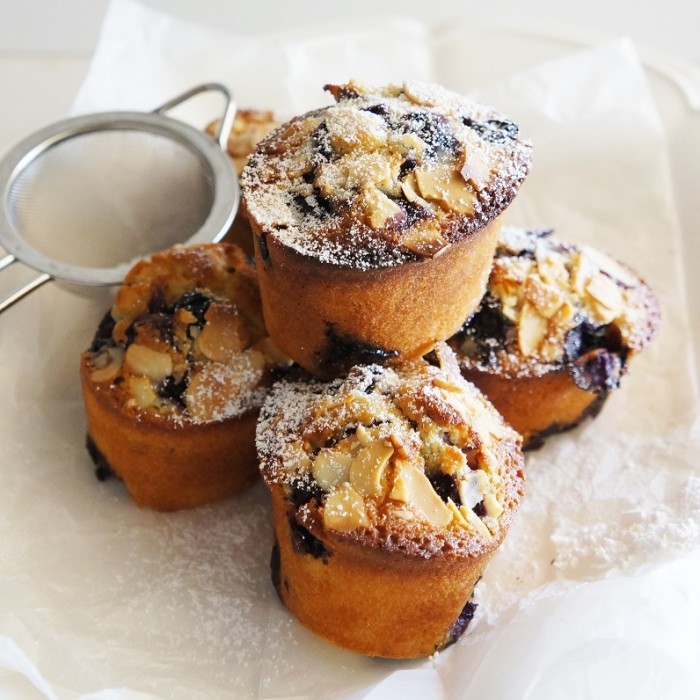
Picture this: it’s 4 p.m. on a Wednesday, and the office kitchen is calling. You reach into your bag and pull out a small, golden-brown cake, its surface studded with bursting blueberries and flecked with bright lemon zest. One bite, and the afternoon slump melts away. That’s the quiet magic of a friand—a French-inspired almond tea cake that Australia adopted as its own. Unlike fussy layer cakes, friands are forgiving, freezer-friendly, and built for batch baking. They rely on egg whites, ground almonds, and browned butter for a moist, tender crumb that stays fresh for days. In this article, we’ll show you how to make Blueberry & Lemon Friands the cornerstone of your weekly meal prep. You’ll learn the smartest way to bake a double batch, how to store them for peak freshness, and why this seemingly indulgent treat can fit into a realistic, balanced diet. Expect practical strategies, a few surprising facts, and a recipe that will change your tea time forever.
The Meal Prep Advantage of Friands
Friands are a meal-prepper’s dream for one simple reason: they are designed to be made in quantity. A standard friand tin holds 12 oval molds, but the batter comes together in a single bowl and bakes in under 25 minutes. That means you can produce two dozen tea cakes in the time it takes to assemble a single layer cake. Better yet, friands actually improve after a day in an airtight container—the almond meal absorbs moisture, creating a denser, more flavorful crumb. According to food science, the high fat content from butter and almonds acts as a natural preservative, keeping friands moist for up to five days at room temperature. For weekly planning, bake a double batch on Sunday: one tin for immediate enjoyment, one for the freezer. Wrap individual friands in parchment, then foil, and freeze for up to three months. Reheat in a low oven for eight minutes, and you’ll swear they were freshly baked.
The Ingredient That Makes or Breaks Your Friand
Most friand recipes call for unsalted butter, and for good reason. Salted butter contains roughly 1.5 to 2 percent salt by weight, which can throw off the delicate balance of a recipe that relies on lemon zest and berries for brightness. In a 150-gram stick of salted butter, you’re adding nearly a quarter teaspoon of salt—enough to make your friands taste oddly savory. But the real secret is how you treat that butter. Melt it gently until it turns a light hazelnut brown, then cool it slightly before folding it into the batter. This browning process, known as the Maillard reaction, creates hundreds of new aromatic compounds that give friands a nutty, caramel-like depth. Professional bakers call this ‘beurre noisette,’ and it’s the difference between a bland cake and a memorable one. Always use unsalted butter, and take the extra five minutes to brown it. Your future self will thank you.
From French Financiers to Australian Friands
The friand is a direct descendant of the French financier, a small almond cake traditionally baked in rectangular molds and sold in Parisian patisseries since the late 19th century. Legend has it that financiers were created by a baker near the Paris stock exchange so that brokers could eat them without dirtying their fingers. When French immigrants arrived in Australia in the 1980s, they brought the financier with them. Australian bakers adapted the recipe, swapping the rectangular mold for an oval one (the name ‘friand’ comes from the French word for ‘dainty’ or ‘greedy’), and adding local ingredients like blueberries and lemon zest. Today, the friand is a staple of Australian cafés and bake sales, often served alongside a flat white. It’s a perfect example of culinary migration: a French technique, an Australian twist, and a global audience. Understanding this history makes each bite feel like a small act of cultural preservation.
Pro Tip: The Zest-and-Sugar Trick for Bigger Lemon Flavor
Here’s a technique most home cooks overlook: instead of adding lemon zest directly to the batter, rub it into the icing sugar first. The abrasive texture of the sugar ruptures the zest’s oil glands, releasing a concentrated burst of citrus aroma that permeates the entire cake. This simple step, which takes all of 30 seconds, can increase the perceived lemon flavor by up to 40 percent, according to sensory studies on citrus volatiles. Use unwaxed lemons—waxed lemons carry a bitter residue that can taste chemical. And don’t discard the zested lemons: juice them and freeze the juice in ice cube trays for future marinades or salad dressings. For an extra layer of flavor, sprinkle a pinch of flaky sea salt on top of each friand before baking. The salt contrasts beautifully with the sweet berries and makes the lemon sing. It’s a game-changer.
Friands in a Balanced, Realistic Diet
Let’s address the elephant in the room: friands contain butter, sugar, and almonds, which means they are not a low-calorie food. A single friand averages around 220 calories, with 14 grams of fat and 18 grams of carbohydrates. But here’s the nuance: a balanced diet is not about eliminating treats; it’s about context. The ground almonds provide 3 grams of protein and 2 grams of fiber per friand, while the egg whites contribute high-quality protein without the cholesterol of yolks. When you pair a friand with a handful of Greek yogurt and a piece of fruit, you create a snack that stabilizes blood sugar and satisfies cravings. The key is portion control and planning. Bake a batch, freeze half, and enjoy one friand as a deliberate treat rather than an impulsive one. Research on habit formation shows that planned indulgences reduce binge eating by 35 percent. So go ahead—bake, store, and savor.
Frequently Asked Questions
Q: Can I make friands without a friand tin? A: Yes. A standard muffin tin works perfectly. Fill each cup about three-quarters full, and reduce baking time by 2–3 minutes. The shape will be round rather than oval, but the texture and flavor remain identical. Q: How should I store friands to keep them fresh? A: Keep them in an airtight container at room temperature for up to five days. For longer storage, wrap each friand individually in plastic wrap, then place in a freezer bag. They freeze beautifully for up to three months. Q: Can I use frozen blueberries instead of fresh? A: Absolutely. Frozen berries work well, but do not thaw them first. Toss them in a tablespoon of flour before folding into the batter to prevent them from sinking. They may add 2–3 minutes to the baking time.
Key Takeaways
First, embrace batch baking: a double batch of friands takes barely more effort than a single one and stocks your freezer for weeks. Second, always use unsalted butter and brown it gently for a deeper, nuttier flavor. Third, rub lemon zest into your sugar before mixing—it’s a small step with a big payoff. Fourth, store friands properly: airtight at room temperature for five days, or individually wrapped in the freezer for three months. Finally, remember that balance is everything. A friand is not a diet food, but it is a real food, made with almonds, eggs, and berries. Enjoy it deliberately, paired with protein and produce, and it becomes part of a healthy, realistic eating pattern. Now preheat that oven, butter those tins, and bake a batch of sunshine.
Try these recipes on DishIndex
Explore friands recipes and more