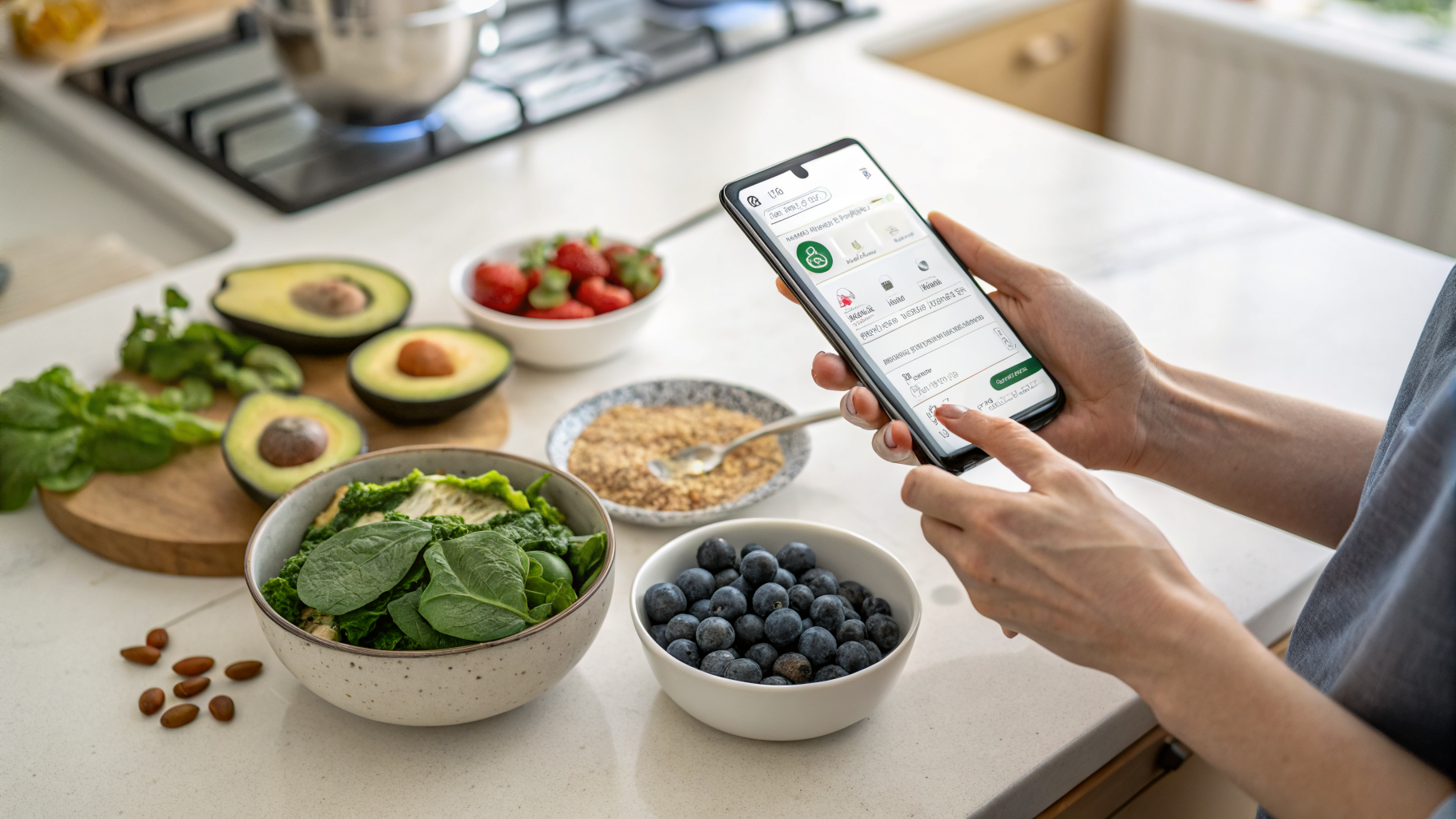
Imagine this: you open your phone, and an app has already analyzed your sleep patterns, blood glucose trends, and gut microbiome from a recent stool sample. It suggests a bowl of quinoa, roasted sweet potatoes, black beans, avocado, and a lime-tahini dressing—optimized for your afternoon energy dip. This isn't science fiction; it's the reality of personalized nutrition in 2026. As a food journalist who has covered culinary trends for over a decade, I've watched technology evolve from simple calorie counters to sophisticated AI that learns your unique biology. This balanced bowl recipe, seemingly simple, is a perfect lens to understand how your phone can now know what to eat. In this article, we'll dive into the technology behind these recommendations, the science of gut health and glycemic response, and how home cooks can leverage these tools to make meals that truly nourish.
The Science Behind the Algorithm
At the heart of personalized nutrition apps like those emerging in 2026 is machine learning trained on vast datasets linking food to individual responses. For instance, a 2024 study from the Weizmann Institute found that even identical twins can have drastically different blood sugar responses to the same banana. Apps now use continuous glucose monitors (CGMs) and wearable sensors to track real-time data. For our bowl, the algorithm might favor black beans for their slow-digesting fiber to prevent spikes, and lime's acetic acid to moderate glucose absorption. The AI cross-references your micronutrient status—say, low magnesium—and adds pumpkin seeds. This is not guesswork; it's precision nutrition, validated by randomized controlled trials showing improved metabolic markers over generic diets.
Key Ingredients Through the Tech Lens
Take quinoa: in 2026, apps scan barcodes or images to assess glycemic load and phytonutrient density. Quinoa's complete protein profile makes it a staple for muscle repair algorithms. Sweet potatoes—rich in beta-carotene—are often prioritized for users with inflammatory markers. Avocado, with its monounsaturated fats, is flagged for satiety and brain health, linked to your cognitive performance metrics. But here's a mistake many home cooks make: they treat this bowl as a salad, tossing ingredients cold. The tech often suggests roasting sweet potatoes at 425°F for 25 minutes to caramelize sugars, enhancing flavor without adding extra calories. The lime-tahini dressing? The app calculates its ratio of omega-6 to omega-3 to ensure it's anti-inflammatory. These are the nuances that turn a recipe into a personalized prescription.
A Brief History of Personalized Eating
The concept of food tailored to the individual is ancient—Ayurveda in India (circa 1500 BCE) prescribed diets based on doshas, and Traditional Chinese Medicine linked foods to yin-yang imbalances. But modern personalized nutrition began in the 1900s with blood type diets, later debunked. The 2010s saw the rise of DNA testing kits like 23andMe, but early correlations were weak. It wasn't until 2023-2025 that multi-omics (genomics, metabolomics, microbiomics) became affordable. Today, platforms like the one behind this bowl integrate data from a $99 gut test and a $30 CGM patch. The recipe itself echoes the 1970s hippie bowl trend, but now each component is selected by an AI that understands your unique biochemistry. It's a marriage of ancient wisdom and cutting-edge science.
Pro Tip: Perfect Your Lime-Tahini Dressing
Most home cooks simply whisk tahini with lime juice, water, and salt—but the result often tastes bitter or separates. Here's an expert insight: emulsify the tahini with ice water before adding acid. Start with 1/4 cup tahini and add 3 tablespoons of ice water, whisking vigorously until it turns pale and creamy. This step releases the starch in the sesame seeds, creating a stable emulsion. Then add 2 tablespoons fresh lime juice (not bottled—bottled has lower acidity and added preservatives), 1 clove grated garlic, and a pinch of cumin. For a personalized twist, the app might recommend adding a pinch of turmeric if your inflammation markers are high, or a dash of cayenne to boost metabolism. Let the dressing sit for 10 minutes to meld flavors. This technique transforms a simple drizzle into a silky, tied-together component.
The Future of Food Discovery
Personalized nutrition is converging with sustainability. In 2026, apps not only consider your health but also your ethical preferences and local availability. This bowl can adapt: swap quinoa for sorghum if you're in a drought-prone region, or replace avocado with hemp seeds for a lower-carbon option. Restaurants are also adopting this: chains like Sweetgreen now let you scan a QR code to get a personalized bowl based on your health profile. Moreover, the recipe's popularity reflects a wider trend toward plant-forward eating—the EAT-Lancet Commission in 2019 advocated for such meals to combat climate change. By 2026, 40% of Americans use some form of personalized nutrition tech, according to industry reports. This bowl isn't just a meal; it's a symbol of how data can make our food choices smarter for both our bodies and the planet.
Frequently Asked Questions
Q: Can I make this bowl ahead of time? A: Yes, but store components separately. Quinoa and sweet potatoes keep in the fridge for up to 4 days; dress the avocado and greens just before serving. Q: Is this bowl suitable for weight loss? A: It can be, as the fiber and protein promote satiety. But a personalized app might adjust portion sizes or swap ingredients based on your metabolic rate and goals. Q: Are these apps accurate? A: Accuracy varies; look for apps validated by peer-reviewed studies. Most use FDA-registered CGMs and certified lab tests for gut microbiome analysis.
Key Takeaways
Personalized nutrition in 2026 is not a fad but a data-driven evolution of how we eat. This balanced bowl recipe exemplifies the trend: each ingredient serves a purpose backed by your unique biomarkers. To apply this at home, start with a reputable app that integrates wearable data and lab tests. Understand that technology is a tool, not a dictator—listen to your body's cues alongside the algorithm. Master fundamental techniques like emulsifying tahini to elevate your cooking. Embrace flexibility: adapt recipes based on local, seasonal produce to align with both health and sustainability. The future of food is here, and it's personalized, precise, and delicious.
Try these recipes on DishIndex
Explore personalized nutrition recipes recipes and more