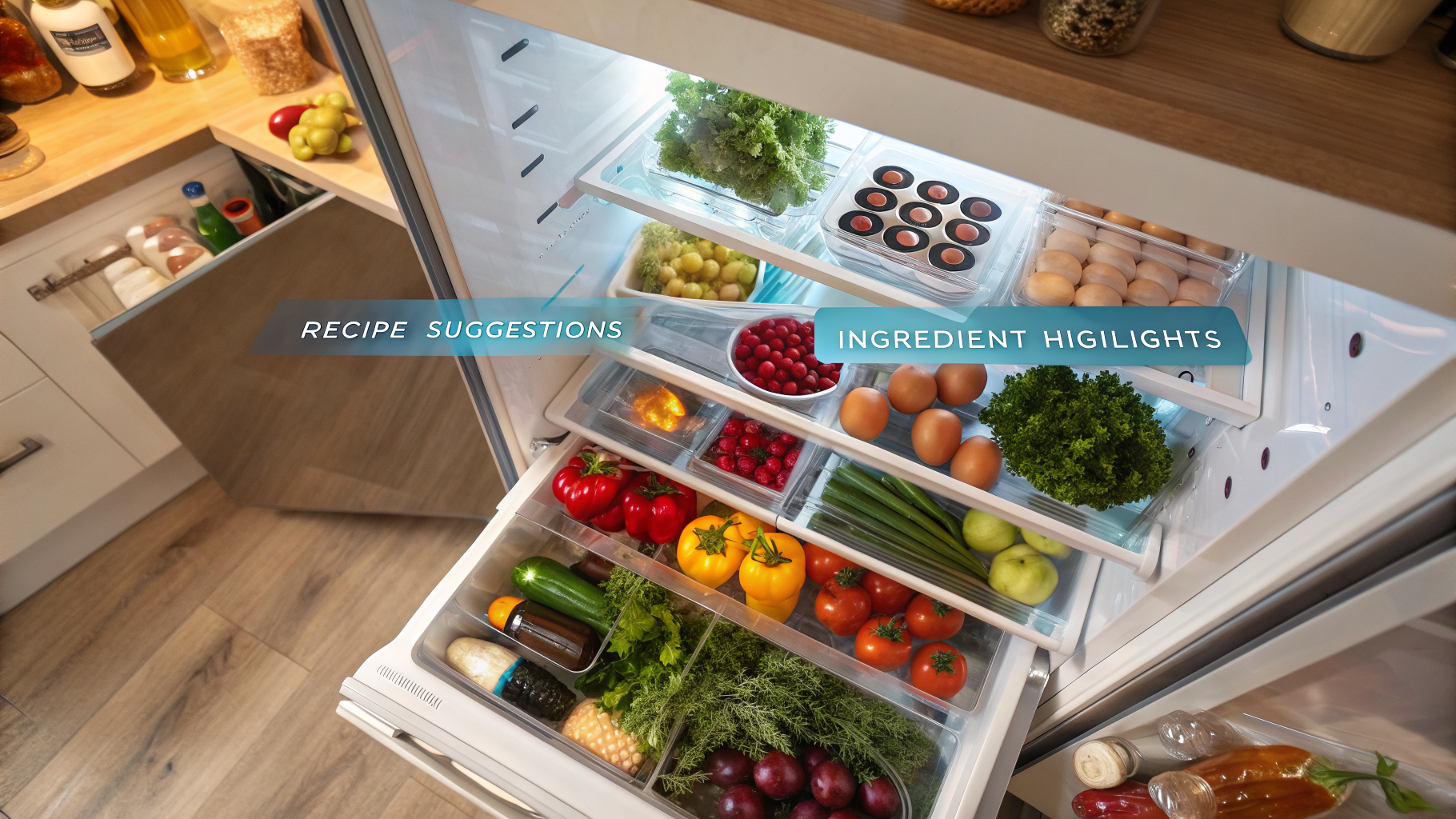
Imagine opening your fridge to a chaotic jumble of half-used vegetables, a forgotten jar of tahini, and a wedge of aging Parmesan. Instead of sighing and ordering takeout, you snap a photo with your phone, and within seconds, an AI-powered app suggests a dozen recipes that perfectly match your inventory. This isn't a futuristic fantasy—it's the reality of how artificial intelligence is revolutionizing home cooking. In this article, we'll explore how AI tools are transforming the way we discover recipes, reduce food waste, and elevate our culinary confidence. Whether you're a seasoned cook or a kitchen novice, you'll learn how technology can turn your fridge into the most creative cookbook you've ever owned.
The Rise of AI Recipe Discovery
AI recipe platforms are not just simple search engines; they use machine learning algorithms to analyze your available ingredients, dietary preferences, and past cooking habits. For instance, a study by the University of Cambridge found that AI can predict flavor pairings with 80% accuracy by analyzing thousands of recipes and chemical compounds. These tools can suggest substitutions for missing ingredients, adapt recipes for allergies, and even optimize cooking times based on your equipment. What once required flipping through a physical cookbook or scrolling endless blog pages now happens in seconds, tailored precisely to what you have on hand. The result? Less food waste, more variety, and a personalized cooking experience that feels like having a chef in your pocket.
Mastering the Art of Ingredient Substitution
One of the most powerful features of AI recipe tools is their ability to suggest ingredient swaps. Suppose a recipe calls for buttermilk, but you only have yogurt. AI can calculate the acidity and fat content differences, offering a replacement that maintains the dish's texture and flavor. This capability is grounded in food science—for example, the pH level of buttermilk is around 4.5, while yogurt is about 4.4, making them nearly interchangeable in baked goods. Additionally, AI can account for dietary restrictions: if you're out of eggs, it might suggest a flaxseed or chia seed gel, precisely measuring the ratio of seeds to water. This level of precision was once the domain of professional chefs, but now it's accessible to anyone with a smartphone.
Cultural Roots in Modern Tech
While the technology is cutting-edge, the concept of using leftovers creatively is ancient. In many cultures, thrifty cooking is a tradition: consider Italian ribollita, a hearty soup made from leftover bread and vegetables, or Chinese congee, which stretches a small amount of rice with water and whatever is on hand. AI recipe tools are essentially digitizing these time-honored practices, but with a global twist. They can pull from a database of thousands of regional cuisines, suggesting jollof rice from West Africa with your leftover chicken, or a Japanese okonomiyaki using cabbage and flour. By democratizing access to these cultural recipes, AI helps preserve culinary heritage while encouraging experimentation.
Pro Tip: Scan Your Fridge Weekly for Maximum Efficiency
Most home cooks forget what's lurking in the back of their fridge until it's too late. A simple pro tip: once a week, take a photo of your fridge's contents using an AI recipe app. The app will catalog your items and generate a list of recipes that use the most perishable ingredients first. For example, if you have spinach about to wilt, it might suggest a quick saag paneer or a spinach and feta frittata. This proactive approach can reduce food waste by up to 30%, according to data from waste reduction studies. Plus, you'll save money and time by making fewer grocery trips. Think of it as a weekly meal planning session, but without the mental effort of flipping through cookbooks.
Sustainability and the Future of Cooking
Beyond convenience, AI recipe tools align with the growing movement toward sustainable eating. The United Nations estimates that one-third of all food produced globally is wasted, much of it in households. AI can help combat this by encouraging the use of leftovers and imperfect produce. For instance, a slightly bruised apple can be transformed into a compote or used in a muffin recipe suggested by the AI. Additionally, these platforms often incorporate nutritional data, helping users make healthier choices by highlighting calorie counts, macronutrients, and sourcing tips. As AI becomes more integrated with smart appliances—like refrigerators that track inventory automatically—the line between kitchen tool and personal chef will continue to blur.
Frequently Asked Questions
Q: How accurate are AI recipe suggestions? A: AI accuracy continues to improve; most platforms correctly identify ingredients and suggest viable recipes over 90% of the time, though complex dishes may require manual adjustments. Q: Do I need special equipment to use AI recipe tools? A: No, most tools work with just a smartphone camera and internet connection, though some integrate with smart fridges for automatic inventory tracking. Q: Can AI handle dietary restrictions like gluten-free or vegan? A: Yes, advanced AI can filter recipes based on dietary needs, and can even suggest substitutions for restricted ingredients, like using almond milk instead of dairy.
Key Takeaways
Embrace AI as your kitchen assistant, leveraging its ability to scan ingredients, suggest personalized recipes, and reduce waste. Start by taking a weekly inventory of your fridge using a recipe app, and don't be afraid to try the substitutions it recommends. Learn the science behind flavor pairings and ingredient swaps to boost your cooking confidence. Finally, remember that AI is a tool, not a replacement for your own taste and creativity. Use it to explore new cuisines and techniques, and soon you'll find that your fridge is no longer a collection of random items but a gateway to endless culinary possibilities.
Try these recipes on DishIndex
Explore fridge ingredient recipes recipes and more