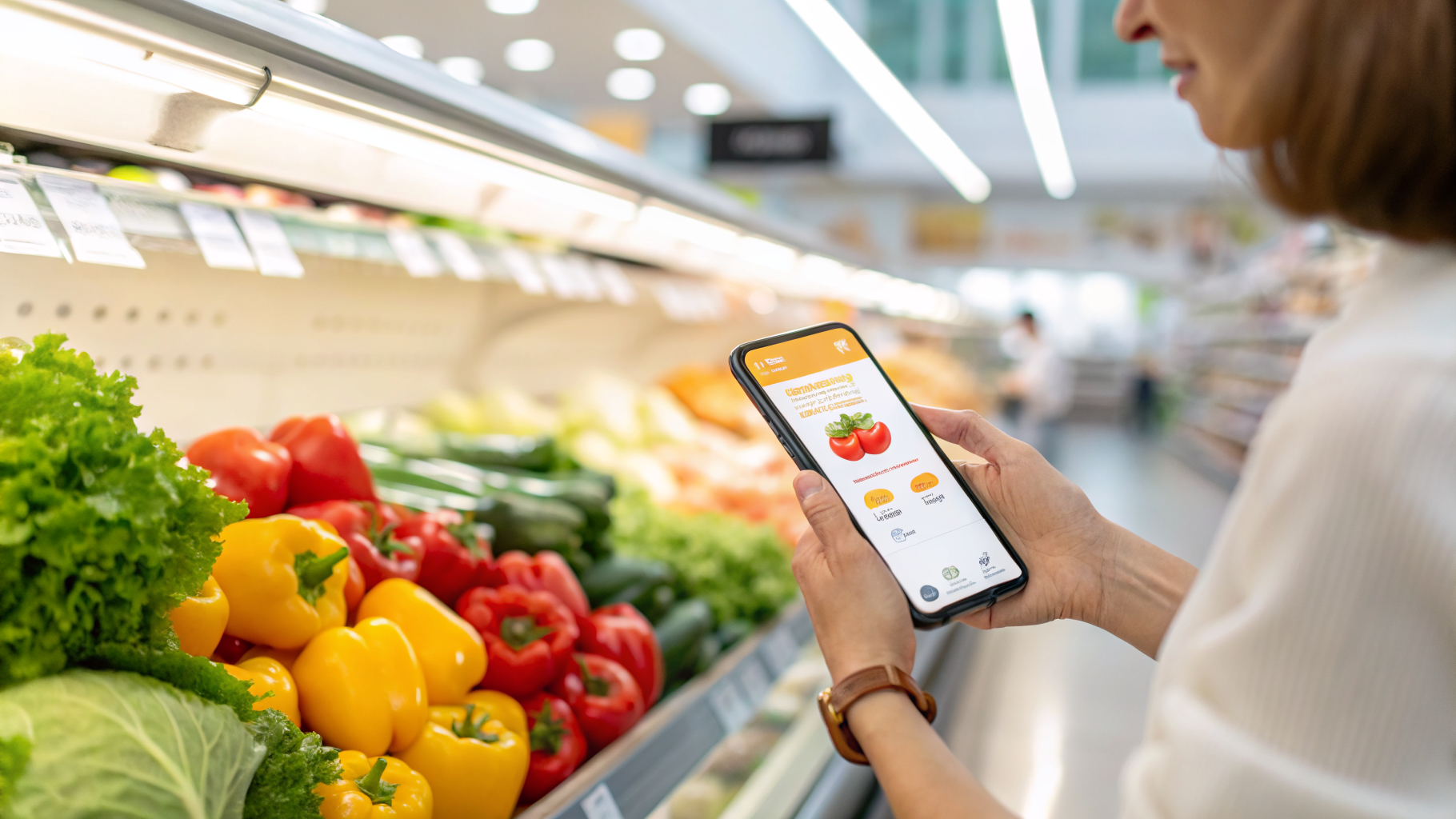
Imagine this: you walk into a grocery store, pull out your phone, and open an app that already knows what you need. It has cross-referenced your pantry inventory, your meal plan for the week, and even the recipes you’ve been eyeing. Your list is organized by aisle, optimized for the store layout, and includes substitutions for out-of-stock items. This isn’t a futuristic fantasy—it’s the reality of smart grocery lists powered by artificial intelligence. As technology infiltrates every corner of our lives, the humble shopping list has gotten a major upgrade. In this article, we’ll explore how these digital tools are reshaping food shopping, from reducing food waste to making meal prep a breeze. We’ll dive into the algorithms that learn your preferences, the platforms that connect recipes directly to your cart, and the cultural shift toward efficiency. By the end, you’ll see why smart grocery lists are not just a convenience—they’re a revolution in how we nourish ourselves.
The Recipe for a Smarter List
At its core, a smart grocery list uses machine learning to analyze your purchase history, dietary restrictions, and even the weather. For instance, if you regularly buy avocados, the system might suggest guacamole ingredients. Some platforms integrate with smart fridges that scan barcodes and track expiration dates, automatically adding items to your list when you run low. A 2022 study by the Food Marketing Institute found that 78% of shoppers using digital lists reported fewer impulse buys, saving an average of $23 per trip. The technology also powers dynamic sorting: produce goes together, dairy is grouped, and items are prioritized based on perishability. This isn’t just about convenience—it’s about precision. By reducing the mental load of remembering what you need, these lists free up cognitive resources for more creative cooking. For a recipe like a multi-ingredient stew, the system can even cross-check quantities to ensure you buy exactly enough.
The Algorithmic Palate: How AI Learns Your Taste
One of the most fascinating aspects of smart grocery lists is their ability to adapt to your palate. Using collaborative filtering—the same tech behind Netflix recommendations—these platforms analyze thousands of recipes to predict what you’ll enjoy. If you loved a Moroccan tagine, the system might suggest harissa paste or preserved lemons for your next list. Over time, it learns your preferences: maybe you prefer Greek yogurt over sour cream, or you tend to avoid cilantro. This personalization extends to nutritional goals. For example, if you’re tracking macros, the list can highlight protein-rich ingredients or low-carb alternatives. The result is a shopping experience that feels curated by a personal chef. For a dish like this one, the AI might note that you often substitute quinoa for rice, and automatically adjust the ingredient list. This level of customization was unimaginable a decade ago, and it’s making home cooking more accessible than ever.
From Pantry to Plate: A Brief History of Shopping Lists
The shopping list has ancient roots—Sumerian merchants used clay tablets to tally goods around 3000 BCE. Fast forward to the 20th century: paper lists became ubiquitous, often scribbled on notepads or torn envelopes. But it wasn’t until 2014 that the first AI-powered grocery app launched, combining barcode scanning with predictive ordering. The technology exploded during the pandemic, when online grocery sales surged by 55% in the US alone. Today, smart lists are embedded in platforms like meal planning apps and smart home assistants. They reflect a broader shift from reactive to proactive shopping—instead of buying what you need now, you’re buying what you’ll need next. This evolution mirrors changes in food culture: as home cooking has become more complex, with global ingredients and specialized diets, the tools have had to keep pace. The smart list is the latest chapter in a long story of human ingenuity applied to the most basic of tasks: feeding ourselves.
Pro Tip: Master the 'Add as You Go' Method
Most smart grocery lists allow you to add items with voice commands or a few taps, but the real pro move is to integrate your list with your recipe discovery. When you find a recipe online—say, a Peruvian ceviche—use the app’s browser extension to instantly import all ingredients into your list. Then, before you finalize, scan your pantry with your phone’s camera using a tool like Pantry Check. The AI will cross-check what you have, removing duplicates and suggesting quantities based on your family size. For example, if a recipe calls for two limes but you already have three, the list will note that you can skip them. This not only saves money but also reduces food waste—a staggering 30-40% of the US food supply is wasted, according to the USDA. By syncing your list with your actual inventory, you’ll rarely overbuy. It’s a small habit that adds up to big savings and a greener kitchen.
The Cultural Shift: Efficiency Meets Deliberate Eating
Smart grocery lists represent a paradox: they make shopping more efficient, yet they encourage more deliberate eating. By planning meals around what you have, you’re less likely to resort to takeout. A 2023 survey by the International Food Information Council found that 65% of users of meal planning apps reported cooking more meals at home. This shift has profound implications: home-cooked meals are typically lower in sodium and saturated fat, and they foster family connections. Moreover, smart lists can promote dietary diversity by suggesting new ingredients based on your history—like swapping out kale for chard or trying a new grain. For a recipe like this one, the platform might recommend a seasonal variation, such as using butternut squash in fall instead of zucchini. In essence, these tools don’t just streamline shopping; they encourage a more mindful approach to food. They’re a bridge between the convenience of modern life and the timeless value of a home-cooked meal.
Frequently Asked Questions
Q: Can smart grocery lists really save me money? A: Yes, by reducing impulse buys and preventing duplicate purchases. Users report saving 10-20% on average. Q: How do I keep my list private? A: Most apps use end-to-end encryption and allow you to control data sharing. Always check the privacy settings. Q: What if I don’t have a smartphone? A: Some smart grocery list features are available via web browser or smart speaker; you can also print a list from your account.
Key Takeaways
Embrace technology to transform your shopping: use AI-powered lists that learn your preferences and sync with your pantry. Start by importing a few recipes and letting the system suggest optimizations. Remember to check your inventory before finalizing to cut waste and save money. Experiment with the personalization features—you might discover new flavors or ingredients. Finally, view the list as a tool for intentional eating, not just a chore. By integrating smart lists into your routine, you’ll spend less time in the store and more time enjoying delicious, thoughtfully prepared meals.
Try these recipes on DishIndex
Explore Smart grocery meal planning recipes and more