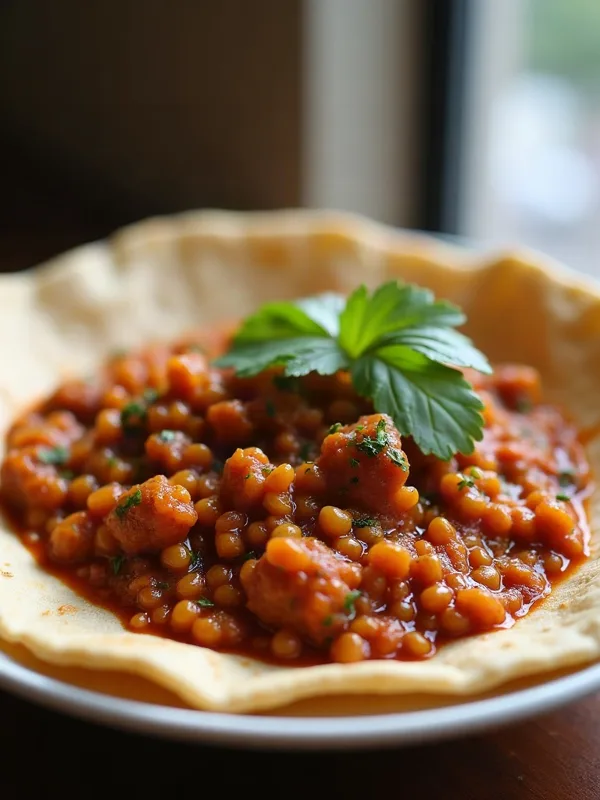
Imagine a pot of red lentils simmering slowly with onions, garlic, ginger, and a generous spoonful of berbere. The kitchen fills with a warm, spicy aroma that promises deep comfort. This is misir wat, the heart of Ethiopian home cooking—a vegan stew that has nourished millions for centuries. But beyond its rich, amber hue and velvety texture lies a surprising nutritional profile. Red lentils, the star ingredient, are a powerhouse of plant protein and fiber, while berbere brings a complex blend of antioxidants. When paired with injera, the tangy fermented flatbread, you get a complete meal that supports heart health, stable blood sugar, and even gut microbiome diversity. In this article, we'll uncover the science behind each key ingredient, from the iron in lentils to the capsaicin in berbere, and show you why this dish deserves a place in your weekly rotation. You'll discover specific macros, vitamin content, and research-backed insights that make misir wat not just a culinary treasure but a nutritional one.
Red Lentils: The Protein and Fiber Foundation
Red lentils are the backbone of misir wat, and their nutritional stats are impressive. One cup of cooked red lentils provides about 18 grams of protein and 16 grams of fiber—nearly half your daily fiber needs. This fiber, primarily soluble, helps lower LDL cholesterol and stabilize blood sugar. Red lentils are also rich in iron (6.6 mg per cup) and folate (358 mcg), crucial for red blood cell formation and DNA synthesis. Unlike many plant proteins, lentils are easy to digest and have a low glycemic index of 32, making them ideal for diabetics. Research published in the Journal of Nutrition shows that regular lentil consumption improves postprandial blood glucose and insulin response. The slow-simmering in misir wat breaks down the lentils into a creamy texture, making their nutrients more bioavailable. So each spoonful is not just comforting—it's a targeted delivery of protein, fiber, and micronutrients.
Berbere: The Antioxidant Spice Blend
Berbere is the soul of misir wat, a fiery blend of up to 16 spices including chili peppers, fenugreek, coriander, and cardamom. This complex mix does more than add heat—it's a concentrated source of antioxidants. The capsaicin in chili peppers has been linked to reduced inflammation and improved metabolism. Fenugreek, a key component, contains soluble fiber and compounds that may help lower blood sugar. A study in the Journal of Ethnopharmacology found that berbere's polyphenols exhibit significant free-radical scavenging activity. Moreover, the blend's synergy enhances the absorption of iron from lentils when consumed together—a crucial benefit for vegetarians. The onions and garlic in the recipe add allicin and quercetin, further boosting immune and cardiovascular health. So when you taste that deep, spicy embrace, know that your cells are being pampered with a spectrum of protective compounds.
Injera: The Probiotic Flatbread
Injera, the spongy flatbread made from teff flour, undergoes a fermentation process that takes up to five days. This natural fermentation cultivates wild yeasts and lactic acid bacteria, giving injera its signature tang and making it a probiotic food. Teff, an ancient grain native to Ethiopia, is gluten-free and rich in resistant starch, which feeds beneficial gut bacteria. A 100-gram serving of injera provides about 4 grams of fiber and 3 grams of protein, along with calcium and iron. The fermentation also reduces phytic acid, improving mineral absorption. Historically, injera has been a staple for over 3,000 years, and its probiotic properties likely contributed to the health of Ethiopian highlanders. Pairing injera with misir wat creates a complete protein profile—lentils supply lysine, while teff provides methionine—making it a smart choice for vegan diets. The tangy sourness cuts through the rich stew, but it also delivers live cultures that support digestive health.
Pro Tip: Soak Lentils to Maximize Nutrient Absorption
Most home cooks rinse red lentils and start cooking immediately, but soaking them for 30 minutes before simmering can significantly reduce cooking time and improve digestibility. Soaking helps break down phytic acid, an antinutrient that binds to iron and zinc, reducing their absorption. A study in Food Chemistry showed that soaking lentils for 12 hours reduced phytic acid by up to 50 percent, thereby increasing mineral bioavailability. For misir wat, a shorter soak of 30 minutes is sufficient to soften the lentils and cut cooking time by about 10 minutes, preserving more heat-sensitive B vitamins. Additionally, when you add the berbere, do so after the lentils are fully cooked and the stew has thickened; this prevents the spices from scorching and preserves their volatile oils. Finally, a squeeze of lemon at the end not only brightens the flavor but also provides vitamin C, which enhances iron absorption from the lentils by up to threefold.
Misir Wat in Modern Nutrition Research
In recent years, misir wat has gained attention in nutritional science as a model of the planetary health diet—a diet that is both good for people and the environment. Red lentils have a low carbon footprint, requiring far less water and land than animal proteins. A 2022 study in Nature Food highlighted that legume-based dishes like misir wat can significantly reduce greenhouse gas emissions while providing high-quality nutrition. Furthermore, the combination of lentils, berbere, and injera aligns with the Mediterranean diet's principles, which emphasize plant-based proteins, whole grains, and spices. Research on the Ethiopian diet has shown lower rates of cardiovascular disease and type 2 diabetes compared to Western diets, attributed partly to the high consumption of legumes and fermented foods. As more people seek sustainable, healthy meals, misir wat stands out as a delicious solution. Its rising popularity in global cuisine reflects a broader shift toward traditional, plant-centric eating patterns that are both time-tested and science-backed.
Frequently Asked Questions
Q: Can I use other lentils for misir wat? A: Yes, brown or green lentils work, but they retain their shape and require longer cooking. Red lentils are preferred for their creamy texture and quick cooking. Adjust liquid and simmer until soft. Q: Is injera gluten-free? A: Traditional injera made from 100 percent teff is gluten-free. However, some commercial versions blend in wheat flour, so check labels or make your own to ensure purity. Q: How spicy is misir wat? A: Spiciness depends on your berbere blend. Traditional berbere is quite hot, but you can adjust by using less or opting for a mild version. Start with one tablespoon and increase to taste.
Key Takeaways
Misir wat with injera is a nutritional triumph: red lentils deliver protein and fiber, berbere provides antioxidants, and injera adds probiotics. Soak lentils to reduce phytic acid and boost mineral absorption. Pair with injera for a complete protein and gut-friendly meal. Use berbere judiciously and finish with lemon juice for enhanced iron uptake. Embrace this dish as part of a sustainable, plant-forward diet that supports heart health and blood sugar control. With its rich cultural heritage and science-backed benefits, misir wat deserves a regular spot in your kitchen. Ready to cook? Search for misir wat recipes and bring a taste of Ethiopia to your table.
Try these recipes on DishIndex
Explore misir wat recipes and more