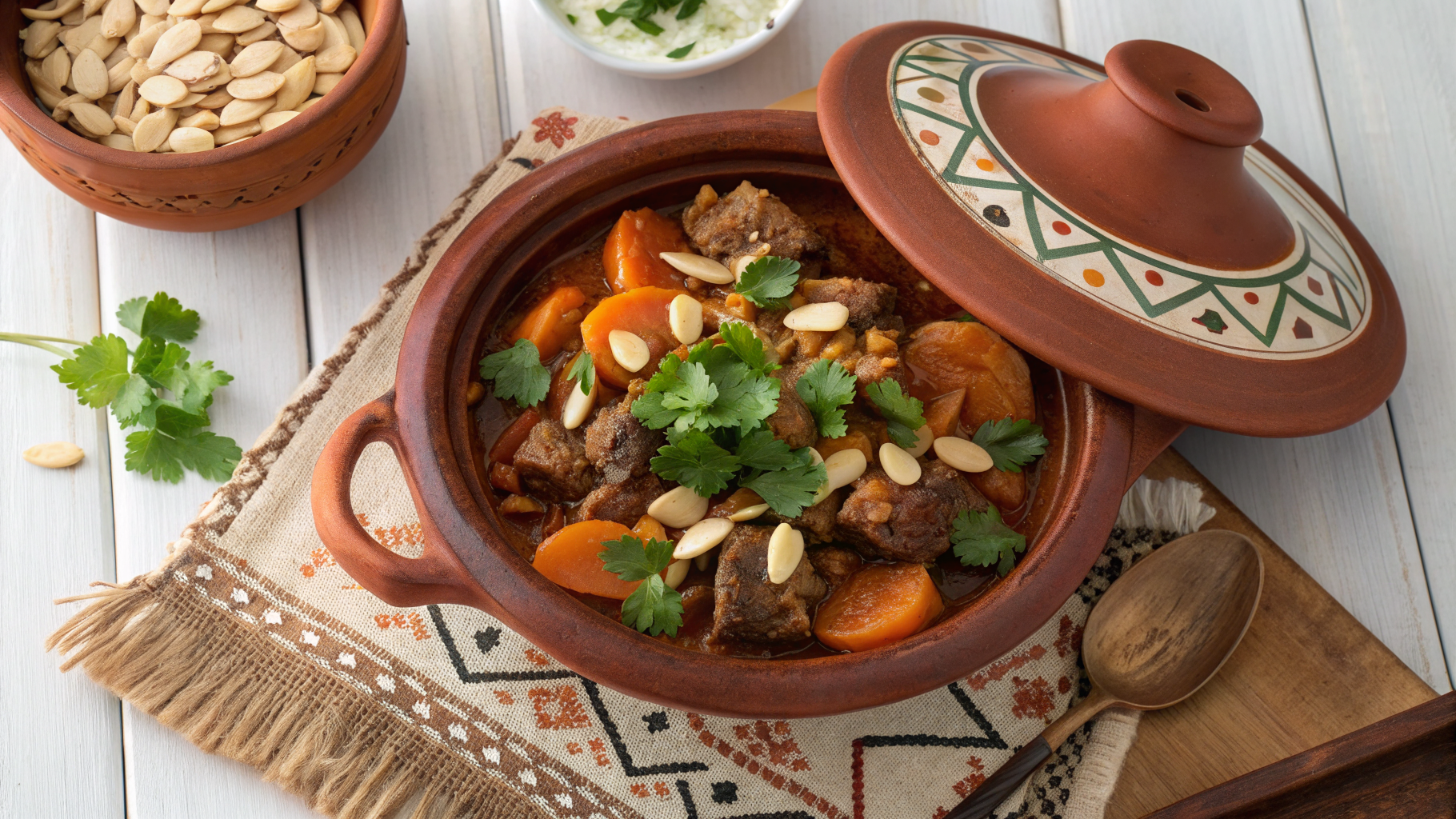
The scent of saffron and cinnamon drifting through your kitchen is more than an invitation to dinner—it's a signal that something deeply nourishing is on the way. Lamb and apricot tagine, with its tender chunks of lamb shoulder, sweet dried apricots, and a shower of toasted almonds, is a cornerstone of Moroccan hospitality. But beyond its irresistible flavor, this dish packs a serious nutritional punch. In fact, a single serving can deliver over 30 grams of protein, nearly half your daily vitamin A, and a wealth of antioxidants from spices like turmeric and cinnamon. In this article, we'll explore the health science behind each key ingredient, from the iron-rich lamb to the fiber-packed apricots, and reveal how this slow-cooked symphony supports everything from muscle repair to immune function. You'll also discover practical tips for maximizing nutrition without sacrificing authenticity. Whether you're a seasoned tagine enthusiast or a curious home cook, you're about to see this beloved Moroccan classic in a whole new light—one that celebrates both its cultural heritage and its remarkable ability to nourish body and soul.
Macro Breakdown: Protein, Fat, and Carbs in Balance
A typical serving of lamb and apricot tagine (about 1.5 cups of stew) provides roughly 400-450 calories, with a macronutrient profile that supports sustained energy and satiety. The lamb shoulder contributes approximately 30-35 grams of high-quality protein, including all nine essential amino acids, making it a complete protein source. Fat content hovers around 20-25 grams, primarily from the lamb's monounsaturated and saturated fats, plus a few grams from the almonds. The dried apricots add about 15-20 grams of carbohydrates, half of which is fiber—a surprising bonus for a savory stew. This fiber slows glucose absorption, preventing the blood sugar spikes that refined carbs can cause. The result is a meal that keeps you full for hours. For those watching their intake, you can trim visible fat from the lamb before cooking to reduce saturated fat by up to 30 percent, though some fat is essential for flavor and nutrient absorption, particularly of fat-soluble vitamins like A and E from the apricots and spices.
Micronutrient Superstars: Vitamins and Minerals
Beyond macros, this tagine is a micronutrient goldmine. Lamb is an excellent source of heme iron—about 3-4 milligrams per serving, which is highly bioavailable compared to plant-based iron. It also delivers zinc (around 6-7 milligrams), crucial for immune function and wound healing, and vitamin B12 (over 100 percent of the daily value), which supports nerve health and red blood cell formation. The dried apricots are rich in vitamin A (beta-carotene) and potassium, with one cup providing nearly 20 percent of your daily potassium needs—important for blood pressure regulation. The almonds add vitamin E, magnesium, and calcium. And let's not forget the spices: turmeric contains curcumin, a potent anti-inflammatory compound, while cinnamon has been shown in studies to improve insulin sensitivity. Saffron, though used in small amounts, contributes crocin and safranal, antioxidants linked to mood support and eye health. Together, these ingredients create a synergistic blend that fights oxidative stress and supports overall vitality. In fact, a 2020 study in the Journal of Nutrition found that diets rich in these compounds may reduce markers of inflammation by up to 25 percent.
The Science of Slow Cooking: Nutrient Retention and Bioavailability
Slow cooking in a clay pot or Dutch oven does more than tenderize meat—it enhances nutrient bioavailability. The low, moist heat breaks down collagen in the lamb into gelatin, which is easier to digest and may support gut health. It also helps release minerals like iron and zinc from the meat matrix, making them more accessible for absorption. Unlike high-heat grilling, which can form harmful compounds like heterocyclic amines, slow braising at around 300°F (150°C) preserves beneficial nutrients. The apricots' beta-carotene, for instance, is better absorbed when cooked with fat, and the lamb provides that fat. Similarly, the curcumin in turmeric becomes more bioavailable when paired with black pepper—a common tagine addition—and the fat from the meat. Even the almonds, added at the end, retain their vitamin E because they aren't exposed to prolonged heat. This traditional cooking method, refined over centuries in Morocco, is a testament to how ancient techniques often align with modern nutritional science. So when you let that tagine simmer for two hours, you're not just building flavor; you're unlocking the full health potential of every ingredient.
Pro Tip: Boost Nutrition with Strategic Pairings
Most home cooks serve tagine over couscous, which is fine, but you can elevate the nutritional profile by choosing whole-wheat couscous or even quinoa. Whole-wheat couscous adds an extra 5 grams of fiber per cup, while quinoa contributes complete protein and magnesium. Another overlooked trick: add a handful of chopped leafy greens like spinach or kale during the last five minutes of cooking. The residual heat wilts them just enough, and their vitamin C enhances iron absorption from the lamb—a critical synergy, since plant-based iron inhibitors like phytates in couscous can reduce absorption. Also, don't discard the cooking liquid; it's rich in dissolved minerals and gelatin. If you're watching sodium, use low-sodium broth and rely on spices for flavor. Finally, toast the almonds just before serving to preserve their delicate fats and maximize crunch. A quick dry-toast in a skillet for two minutes is all it takes. These small adjustments can increase the fiber content by 50 percent and boost iron absorption by up to threefold, turning a already healthy dish into a nutritional tour de force.
Cultural Roots: A Dish Born of Trade Routes and Tradition
Tagine is more than a recipe; it's a culinary artifact of Morocco's rich history. The word 'tagine' refers both to the conical clay pot and the stew cooked within it. Its origins trace back to the Berber people of North Africa, who used clay pots to cook over charcoal. When Arab traders introduced spices like cinnamon, ginger, and saffron along the trans-Saharan trade routes, the tagine evolved into the complex, sweet-savory dish we know today. Dried apricots, a staple of Middle Eastern and North African cuisine, were a natural addition, providing sweetness to balance the savory lamb. In Morocco, tagine is a symbol of hospitality—often served at weddings and family gatherings, with the lid lifted tableside to release a dramatic plume of aromatic steam. Each region has its own variation: in Marrakech, you'll find tagines with preserved lemons and olives; in Fez, dried fruits like prunes and apricots are favored. The dish also reflects the principles of the Mediterranean diet, which emphasizes lean proteins, fruits, and spices. So when you cook this tagine, you're not just making dinner; you're participating in a centuries-old tradition that celebrates both flavor and nourishment.
Frequently Asked Questions
Q: Can I make this tagine in a slow cooker? A: Yes, absolutely. Brown the lamb and onions first, then transfer everything except the almonds to a slow cooker. Cook on low for 6-8 hours. Add almonds before serving. Q: Is this dish suitable for a low-carb diet? A: It can be. The apricots add carbs, but you can reduce them by half and serve over cauliflower rice instead of couscous. That brings net carbs down to about 15 grams per serving. Q: How does this tagine fit into a heart-healthy diet? A: With lean lamb and controlled portions, it can. The monounsaturated fats from almonds and olive oil, plus fiber from apricots, support heart health. Just limit added salt and trim excess fat.
Key Takeaways
This lamb and apricot tagine is a nutritional powerhouse, delivering complete protein, fiber, iron, and antioxidants in every spoonful. The slow-cooking method enhances nutrient bioavailability, while the spices fight inflammation and support metabolic health. To maximize benefits, pair with whole grains, add greens, and toast almonds just before serving. Remember that traditional Moroccan cuisine aligns closely with modern dietary guidelines, proving that heritage dishes can be both delicious and nourishing. Whether you're cooking for family or meal-prepping for the week, this tagine offers a satisfying, healthful option that never compromises on flavor. So gather your spices, fire up the clay pot, and savor a meal that has sustained generations—and will continue to nourish yours.
Try these recipes on DishIndex
Explore lamb tagine recipes and more