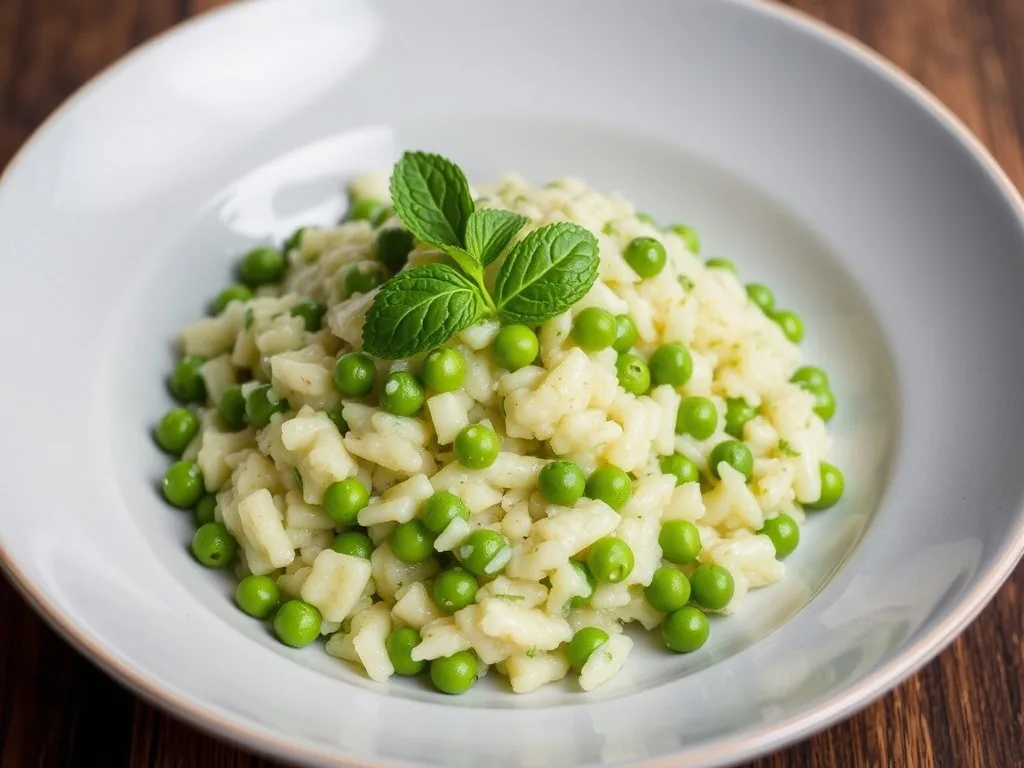
Imagine a bowl of risotto so creamy it coats the spoon, yet bright with the pop of sweet spring peas, a whisper of lemon, and cool mint. This is not just dinner; it's a statement. In a world where food systems contribute up to 37% of global greenhouse gas emissions, according to the UN, the choices we make in our kitchens matter. Spring pea risotto, a traditional Italian dish from the Veneto region, offers a delicious blueprint for sustainable eating. It celebrates seasonal produce at its peak, reduces waste by using every part of the pea pod, and relies on locally sourced ingredients. But can a comfort food classic really be eco-friendly? Absolutely. In this article, you'll discover how to source, cook, and enjoy spring pea risotto while treading lightly on the planet. From the environmental footprint of Arborio rice to the surprising benefits of frozen peas, we'll explore every angle. Get ready to stir, sip, and savor a bowl of change.
The Environmental Plate: Why Seasonal Peas Matter
Fresh peas are a springtime treasure, but their sustainability story goes beyond the garden. Peas are legumes, fixing nitrogen from the air into the soil, which reduces the need for synthetic fertilizers. A 2021 study in Nature Food found that legume crops like peas can cut greenhouse gas emissions by up to 30% compared to nitrogen-heavy crops. When you buy fresh peas locally in season, you slash food miles and support regenerative agriculture. But what about out-of-season peas? They're often flown in from Kenya or Peru, generating up to 10 times more emissions. Frozen peas, however, are a different beast. They're blanched and frozen within hours of harvest, locking in nutrients and flavor while producing a fraction of the carbon footprint of air-freighted fresh peas. So, if you crave risotto in November, frozen local peas are a surprisingly green choice. The key is to prioritize seasonal and regional first, then frozen, and avoid air-freighted fresh peas entirely. This simple swap can shrink your dish's carbon footprint by up to 80%.
Arborio Rice: The Unsung Hero of Low-Waste Cooking
Arborio rice is the backbone of risotto, but its production has an environmental cost. Rice paddies are methane emitters, contributing about 10% of global agricultural methane. However, Arborio from northern Italy is often grown with water-saving techniques like alternate wetting and drying, which can reduce methane emissions by up to 48%. When you cook risotto, you're also using a technique that minimizes waste: the constant stirring releases starch, creating creaminess without added dairy. This means you can use less cheese and butter, cutting the carbon footprint of dairy. Moreover, leftover risotto can be transformed into arancini, fried rice balls, eliminating food waste. The traditional Venetian method even uses the rind of Parmigiano-Reggiano to flavor the broth, a zero-waste practice that adds umami. So, next time you stir Arborio, remember: you're not just making dinner, you're participating in a centuries-old tradition of resourcefulness. And by choosing organic Arborio, you support farming that avoids synthetic pesticides, protecting biodiversity in the Po Valley.
From Venice to Your Kitchen: A Sustainable History
Risotto is a relatively modern Italian invention, born in the 19th century in the rice-growing regions of the Po Valley. Before that, rice was used in soups and puddings. The dish as we know it—creamy, al dente, and stirred constantly—was popularized by Pellegrino Artusi, the father of Italian home cooking, in his 1891 cookbook. But the sustainability ethos is older. Venetian peasants used whatever was on hand: spring peas, wild herbs, and leftover broth. They didn't waste a single pod. The lemon and mint in this recipe reflect the Arab influence on Sicilian cuisine, where citrus and mint are staples. In fact, the combination of peas and mint dates back to ancient Rome, where Apicius wrote of peas with herbs. Today, this dish is a staple of spring menus across Italy, from osterias in Venice to trattorias in Rome. It represents a culinary philosophy that values seasonality, simplicity, and respect for ingredients. By cooking it, you're connecting to a lineage of cooks who understood that the best food is often the most sustainable.
Pro Tip: Use the Whole Pea Pod for Zero-Waste Flavor
Most recipes tell you to discard pea pods, but that's a missed opportunity. The pods are packed with flavor and nutrients. To make a vibrant green broth, simmer the pods in vegetable broth for 20 minutes, then strain. This broth becomes the cooking liquid for your risotto, infusing it with a deeper pea essence and reducing waste. You can also blend the pods into a puree with mint and lemon zest, then swirl it into the risotto at the end for a bright, fresh kick. If you're using frozen peas, you can still make a quick broth from the pea water after blanching. This technique not only enhances flavor but also boosts the dish's nutritional profile—pea pods are rich in vitamin C and fiber. And by using the whole vegetable, you're honoring the resourcefulness of traditional Italian cooking. So next time you shell peas, don't toss the pods. Your risotto will thank you, and so will the planet.
The Health and Climate Benefits of Plant-Forward Comfort
Spring pea risotto is a plant-forward dish that aligns with the growing movement toward sustainable diets. The EAT-Lancet Commission recommends doubling global consumption of vegetables, fruits, and legumes by 2050 to improve human health and environmental sustainability. This risotto fits the bill: peas provide plant protein, fiber, and vitamins A, C, and K. Olive oil, a cornerstone of the Mediterranean diet, is linked to lower rates of heart disease and has a lower carbon footprint than butter. Lemon and mint add antioxidants and digestive benefits. By choosing vegetable broth over chicken, you reduce the dish's water footprint by up to 50%, as animal agriculture is a major water consumer. Plus, the creamy texture comes from rice starch, not cream, so you're cutting saturated fat. When you make this risotto, you're not just feeding yourself; you're supporting a food system that can feed a growing population within planetary boundaries. It's comfort food with a conscience.
Frequently Asked Questions
Q: Can I use frozen peas for this risotto? A: Yes, frozen peas are an excellent sustainable choice. They're frozen at peak freshness, retaining nutrients and flavor, and have a lower carbon footprint than air-freighted fresh peas. Add them in the last few minutes of cooking. Q: How do I reduce food waste when making risotto? A: Use the whole pea pod to make broth, save leftover risotto for arancini, and use Parmesan rinds to flavor the stock. These simple steps turn scraps into assets. Q: Is Arborio rice sustainable? A: Arborio can be grown with water-saving methods that cut methane emissions. Choose organic Arborio from northern Italy to support biodiversity and reduce pesticide use. When possible, buy in bulk to minimize packaging.
Key Takeaways
Spring pea risotto is a delicious way to eat sustainably without sacrificing comfort. First, prioritize seasonal and local peas, but don't fear frozen—they're a green alternative. Second, use the whole pea pod for broth to eliminate waste and boost flavor. Third, choose organic Arborio rice grown with water-saving techniques to reduce methane. Fourth, embrace plant-forward cooking: vegetable broth, olive oil, and legumes like peas lower your carbon and water footprint. Finally, remember that sustainable cooking is rooted in tradition—Italian cooks have been resourceful for centuries. By stirring a pot of risotto, you're part of a movement that values taste, health, and the planet. So grab a wooden spoon, a bag of peas, and a lemon. Your kitchen is now a site of quiet revolution. Buon appetito!
Try these recipes on DishIndex
Explore spring pea risotto recipes and more