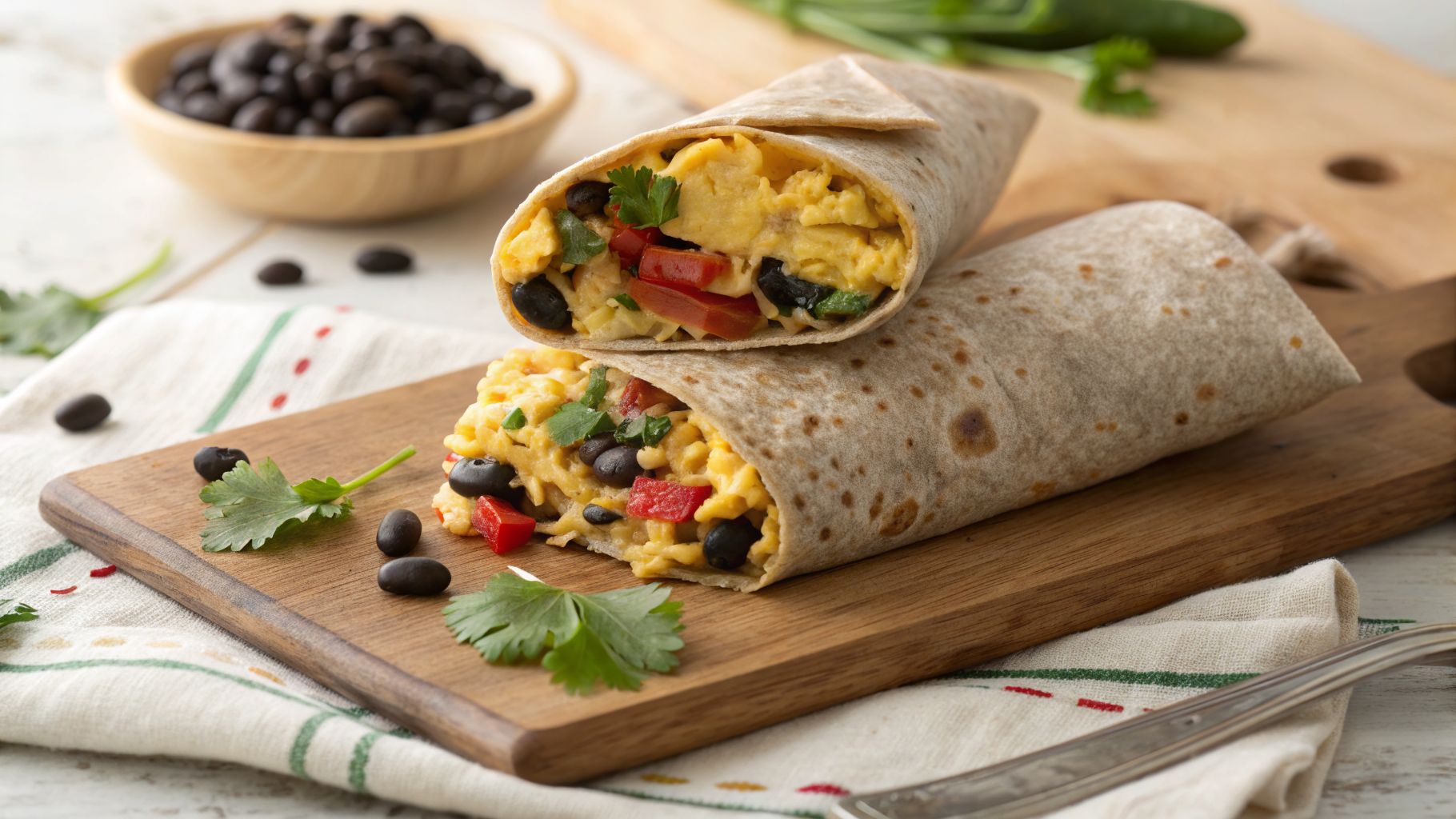
Imagine waking up to the aroma of sizzling bell peppers and warm tortillas, your kitchen already humming with the promise of a satisfying breakfast. For millions, the breakfast burrito is more than a meal—it's a morning ritual. Originating in the American Southwest, this handheld delight has evolved from a simple wrap to a nutritional powerhouse. Today, with the rise of AI-driven recipe platforms and smart kitchen gadgets, discovering and perfecting a high protein breakfast burrito has never been easier. But what makes this particular combination—whole wheat tortillas, eggs, black beans, cheddar, red bell pepper, and green onions—so compelling? It's a symphony of textures and flavors, but also a testament to how technology can guide us toward healthier, more delicious choices. In this article, we'll explore the cultural roots of the breakfast burrito, the science behind its protein punch, and how modern tools are reshaping the way we cook. By the end, you'll be equipped with expert knowledge to craft the ultimate morning wrap, whether you're a tech-savvy chef or a traditionalist.
The Protein-Packed Powerhouse: Nutrition Meets Convenience
A single high protein breakfast burrito can deliver over 25 grams of protein, thanks to the synergistic blend of eggs, black beans, and cheddar cheese. Eggs alone provide about 6 grams of complete protein, while a half-cup of canned black beans adds roughly 7 grams of plant-based protein and 7.5 grams of fiber. This combination slows digestion, keeping you full for hours. But the real innovation lies in how technology helps us optimize these ratios. AI-powered nutrition apps can analyze your dietary needs and suggest tweaks—like swapping regular cheddar for a reduced-fat version or adding quinoa for extra protein. During the early 2000s, the breakfast burrito became a staple of meal prep culture, and today, smart meal planners can generate personalized recipes based on your macronutrient goals. Even the cooking process has been digitized: smart pans and induction cooktops ensure perfectly scrambled eggs every time, reducing the risk of overcooking. This convergence of nutrition science and kitchen tech means you no longer need to be a chef to achieve a balanced, delicious start to your day.
From Taquerias to Smart Kitchens: The Evolution of a Morning Classic
The breakfast burrito as we know it likely emerged in the 1970s in New Mexico, where taquerias began wrapping scrambled eggs and chorizo in flour tortillas. It quickly spread to California and Texas, becoming a diner favorite. Traditionally, it was a hearty, no-frills affair—eggs, cheese, maybe some potatoes. But as health consciousness grew, so did the variations. The whole wheat tortilla, for instance, is a modern adaptation that boosts fiber and reduces refined carbs. Canned black beans, a pantry staple, offer convenience without sacrificing nutrition; they're a staple in Mexican cuisine, often seasoned with epazote or cumin. Red bell peppers add a sweet crunch and a dose of vitamin C, while green onions provide a mild allium note. Interestingly, the dish's rise coincides with the tech boom in Silicon Valley, where busy engineers sought portable, protein-rich breakfasts. Today, recipe platforms use AI to trace these ingredient lineages, suggesting regional twists—like adding salsa verde from New Mexico or avocado from California. This digital preservation of culinary heritage ensures that even as we innovate, we stay connected to the burrito's roots.
The Cultural Tapestry of the Breakfast Burrito
To understand the breakfast burrito, you must look beyond the wrap. It's a fusion of Mexican and American culinary traditions, born from the cultural crossroads of the Southwest. In Mexico, breakfast often includes huevos rancheros or chilaquiles, but the burrito itself—a large flour tortilla stuffed with various fillings—is a northern Mexican innovation, particularly from Ciudad Juárez. When it crossed the border, it adapted to American tastes, incorporating ingredients like cheddar and bacon. The high protein version we celebrate today reflects a modern emphasis on health, but it also pays homage to the original: eggs and beans are ancient Mesoamerican staples. Black beans, domesticated over 7,000 years ago, were a dietary cornerstone for the Maya and Aztec civilizations. The addition of red bell peppers, a nightshade native to the Americas, further ties the dish to its indigenous roots. Even the act of wrapping food in a tortilla has ceremonial significance in some cultures. As AI tools help us rediscover these connections, they also empower home cooks to respect and remix tradition thoughtfully. The breakfast burrito is not just food; it's a story of migration, adaptation, and resilience.
Pro Tip: The Secret to a Non-Soggy, Perfectly Wrapped Burrito
Most home cooks ruin a great breakfast burrito by overstuffing or using cold tortillas. The fix is simple but precise: warm your whole wheat tortillas on a dry skillet for 15 seconds per side until pliable, then immediately fill. This relaxes the gluten, preventing cracks. Second, drain and rinse canned black beans thoroughly, then pat them dry with a paper towel—excess moisture is the enemy of a crisp burrito. Third, scramble your eggs over medium-low heat, removing them while still slightly glossy; they'll continue cooking from residual heat. When assembling, layer cheese first (it acts as a moisture barrier), then beans, then eggs, and finally vegetables. Roll tightly, tucking in the sides, and if you're meal prepping, wrap in foil and refrigerate. To reheat, use an air fryer at 350°F for 5 minutes—this restores the tortilla's texture without sogginess. AI-powered cooking assistants can even remind you of these steps in real time, but mastering them yourself ensures consistently excellent results.
The Future of Recipe Discovery: AI, Personalization, and Community
Gone are the days of flipping through stained cookbooks for inspiration. Today, AI algorithms analyze your taste preferences, dietary restrictions, and even your fridge contents to suggest recipes like a high protein breakfast burrito. Platforms use natural language processing to parse thousands of reviews, identifying common tweaks—like adding hot sauce or swapping spinach for bell peppers. This collective intelligence accelerates culinary innovation. For example, if you're lactose intolerant, an AI might recommend a cashew-based cheese alternative that mimics cheddar's melt. If you're training for a marathon, it could adjust the bean-to-egg ratio for optimal glycogen recovery. Moreover, smart appliances like June ovens or Thermomix can execute precise cooking steps, ensuring your eggs are never rubbery. But technology doesn't replace intuition; it enhances it. Community features allow you to share your own variations, creating a feedback loop that enriches the global recipe database. As we look ahead, expect augmented reality cooking guides that overlay instructions on your countertop, making the breakfast burrito a truly interactive experience.
Frequently Asked Questions
Q: Can I make high protein breakfast burritos ahead of time? A: Yes, assemble them, wrap tightly in foil, and refrigerate for up to 4 days. Reheat in an air fryer or oven for best texture. Q: What's the best way to prevent the tortilla from getting soggy? A: Drain beans well, pat dry, and layer cheese first as a barrier. Also, avoid overfilling and warm tortillas before rolling. Q: How can I boost protein without adding meat? A: Add Greek yogurt to eggs, use extra beans, or incorporate quinoa. A sprinkle of nutritional yeast also adds protein and cheesy flavor.
Key Takeaways
First, embrace technology as a tool for discovery and precision—use AI apps to tailor recipes to your macros. Second, respect the cultural roots of the breakfast burrito; it's a fusion of Mexican and American traditions worth honoring. Third, master the technique: warm tortillas, dry beans, and layer smartly to avoid sogginess. Fourth, protein synergy matters; combine eggs, beans, and cheese for a complete amino acid profile. Finally, don't be afraid to experiment with regional variations, from salsa verde to avocado. With these insights, you're ready to create a high protein breakfast burrito that's both nutritious and delicious, powered by tradition and technology.
Try these recipes on DishIndex
Explore breakfast burrito recipes and more