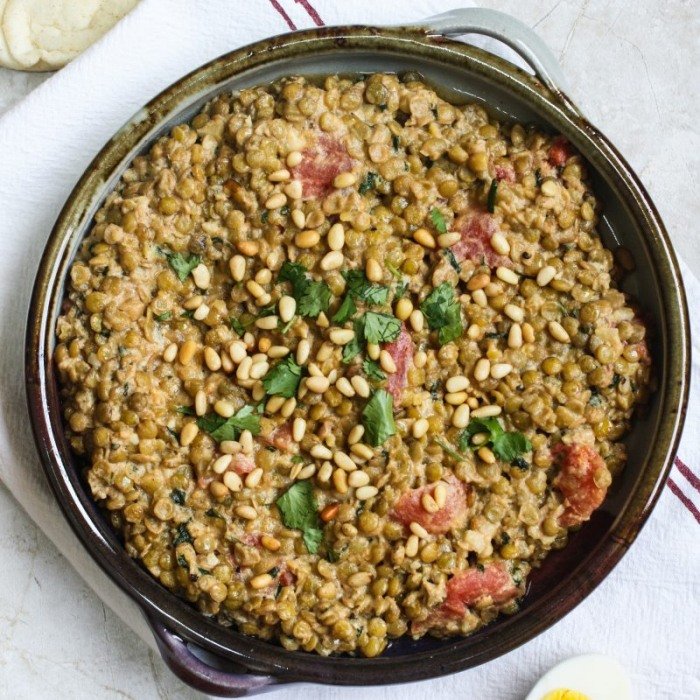
Imagine a dish that feels indulgent—velvety, nutty, and rich—yet quietly delivers one of the most impressive nutritional profiles in your recipe repertoire. Tahini lentils, a Moroccan-inspired creation, combine earthy legumes with a luscious sesame-based sauce, brightened by lemon and rounded out with sweet roasted peppers and onions. It's the kind of meal that satisfies on every level: creamy without cream, hearty without meat, and complex without complication. But beyond its comfort-food appeal lies a fascinating nutritional story. Lentils, the backbone of this dish, have been cultivated for over 8,000 years and are a staple in the Mediterranean and Middle East. Tahini, made from ground sesame seeds, adds not just richness but a wealth of healthy fats and minerals. Together, they create a synergy that supports heart health, stable blood sugar, and lasting satiety. In this article, we'll unpack the science behind each key ingredient, from the complete protein profile to the gut-friendly fiber, and explore how this one-pan meal fits into a modern, health-conscious lifestyle. You'll discover why this dish deserves a permanent spot in your weekly rotation—not just for its flavor, but for its remarkable ability to nourish.
The Macronutrient Trio: Protein, Fiber, and Healthy Fats
At the heart of tahini lentils is a macronutrient balance that dieticians dream about. One cup of cooked lentils provides about 18 grams of protein and 16 grams of fiber—nearly half the daily recommended fiber intake. This fiber is predominantly soluble, which helps lower LDL cholesterol and stabilize blood sugar. Tahini contributes around 8 grams of protein and 16 grams of fat per quarter cup, mostly unsaturated fats, including sesamin and sesamolin, lignans linked to reduced inflammation. The olive oil and sesame oil in tahini provide monounsaturated fats that support cardiovascular health. Together, the protein from lentils and tahini forms a complete amino acid profile, making this dish a rare plant-based source of all essential amino acids. The fat content also enhances the absorption of fat-soluble vitamins like vitamin E from the tahini and vitamin A from the yellow pepper. This trio—protein, fiber, and healthy fats—works synergistically to promote satiety, making you feel full for hours. Studies show that meals rich in legumes and healthy fats can reduce overall calorie intake and improve weight management. For anyone following a plant-forward or Mediterranean diet, this dish is a standout.
Micronutrient Spotlight: Iron, Folate, and Vitamin C
Beyond macros, tahini lentils are a micronutrient powerhouse. Lentils are exceptionally rich in folate (358 micrograms per cup, nearly 90% of the daily value), crucial for DNA synthesis and red blood cell formation. They also provide non-heme iron (6.6 mg per cup), which is better absorbed when paired with vitamin C. Here's where the lemon and yellow pepper shine: a single yellow bell pepper offers over 300% of the daily vitamin C requirement, and the lemon zest and juice add another dose. This vitamin C boost enhances iron absorption by up to six times, a critical detail for vegetarians and menstruating individuals. Tahini contributes copper (0.4 mg per tablespoon), manganese, and phosphorus, all essential for bone health and energy metabolism. The red onions and garlic bring sulfur compounds and quercetin, antioxidants with anti-inflammatory properties. Even the olive oil adds vitamin E, a fat-soluble antioxidant. Every ingredient in this dish plays a nutritional role, creating a matrix of vitamins and minerals that support immune function, bone health, and cellular repair. It's a perfect example of how thoughtful food pairing can maximize nutrient bioavailability.
A Culinary Journey Through Morocco and the Levant
While the exact origin of tahini lentils is debated, its roots run deep in North African and Levantine cuisine. Lentils have been a dietary staple since ancient times, mentioned in the Bible and cultivated in the Fertile Crescent. Tahini, from the Arabic 'tahini' meaning 'to grind,' has been used for centuries in Middle Eastern cooking, from hummus to halva. In Morocco, lentils are often simmered with tomatoes, onions, and spices like cumin and coriander, but the addition of tahini is more common in the Levant, where it's used to enrich sauces and dips. This recipe bridges those traditions: the earthy lentils and sweet peppers evoke Moroccan tagines, while the tahini-lemon dressing nods to Lebanese and Syrian kitchens. Historically, such dishes were born of necessity—simple, affordable ingredients transformed into nourishing meals. Today, they represent the growing global appreciation for plant-based cuisines that are both healthful and deeply flavorful. By cooking this dish, you're partaking in a culinary heritage that spans millennia and crosses borders, connecting you to generations of cooks who understood how to make the most of humble ingredients.
Pro Tip: Bloom Your Spices and Zest Your Lemon
The difference between a good tahini lentil dish and a great one often comes down to two small techniques: blooming spices and properly zesting citrus. When you sauté the red onions and garlic, add ground cumin and coriander directly to the hot oil for 30 seconds before adding the lentils. This step, called blooming, releases fat-soluble flavor compounds and increases their bioavailability. Studies show that heating spices in oil can enhance their antioxidant activity. For the lemon, zest it before juicing—the zest contains essential oils that carry the bright, floral citrus notes. Use a microplane to avoid the bitter white pith. Add the zest to the tahini dressing along with the juice. The zest also provides a concentrated source of vitamin C and limonene, a compound with potential anti-inflammatory effects. Finally, when making the tahini sauce, whisk the tahini with ice water first—it emulsifies into a creamy, pale sauce. Then add lemon juice and a pinch of salt. This order prevents the sauce from seizing. These small steps elevate both flavor and nutrition, turning a simple weeknight meal into a chef-worthy creation.
The Science of Satiety and Blood Sugar Control
One of the most compelling reasons to embrace tahini lentils is their impact on blood sugar and appetite. The combination of high fiber and protein from lentils, plus the healthy fats from tahini and olive oil, results in a low glycemic index meal. Research published in the American Journal of Clinical Nutrition found that lentil-based meals reduced postprandial blood glucose by 20-30% compared to rice or potatoes. The soluble fiber forms a gel in the gut, slowing glucose absorption. Additionally, the protein and fat trigger the release of satiety hormones like GLP-1 and cholecystokinin, which signal fullness to the brain. A study on sesame seeds showed that their lignans may improve insulin sensitivity. For people managing diabetes or prediabetes, this dish is an excellent choice. It also supports gut health: the fiber acts as a prebiotic, feeding beneficial bacteria. The resistant starch in lentils, especially when cooled and reheated, further boosts butyrate production, a short-chain fatty acid that nourishes colon cells. With each serving, you're not just eating a delicious meal—you're investing in long-term metabolic health.
Frequently Asked Questions
Q: Can I make tahini lentils ahead of time? A: Yes, the dish keeps well in the refrigerator for up to four days. The flavors deepen over time. Reheat gently with a splash of water or broth to loosen the sauce. Q: Is tahini lentils suitable for a vegan diet? A: Absolutely. The recipe is entirely plant-based, using tahini and olive oil instead of dairy. Ensure your tahini and other ingredients are vegan-certified if needed. Q: How can I increase the protein content further? A: Add a half-cup of cooked quinoa or a handful of hemp seeds. You could also serve it with whole-grain flatbread or top with toasted nuts for extra protein and crunch.
Key Takeaways
Tahini lentils offer a rare combination of complete plant protein, gut-friendly fiber, and a wide array of vitamins and minerals. The pairing of lentils with vitamin C-rich lemon and yellow pepper significantly enhances iron absorption, a crucial detail for plant-based eaters. The healthy fats from tahini and olive oil not only provide richness but also improve the absorption of fat-soluble vitamins and support heart health. Techniques like blooming spices and zesting lemon before juicing can amplify both flavor and nutritional benefits. Finally, this dish is a testament to the wisdom of traditional cuisines, where simple ingredients create deeply nourishing meals. Whether you're looking to stabilize blood sugar, increase fiber intake, or simply enjoy a satisfying one-pan dinner, tahini lentils deliver on every front. Keep this recipe in your weekly rotation—your body will thank you.
Try these recipes on DishIndex
Explore tahini lentils recipes and more