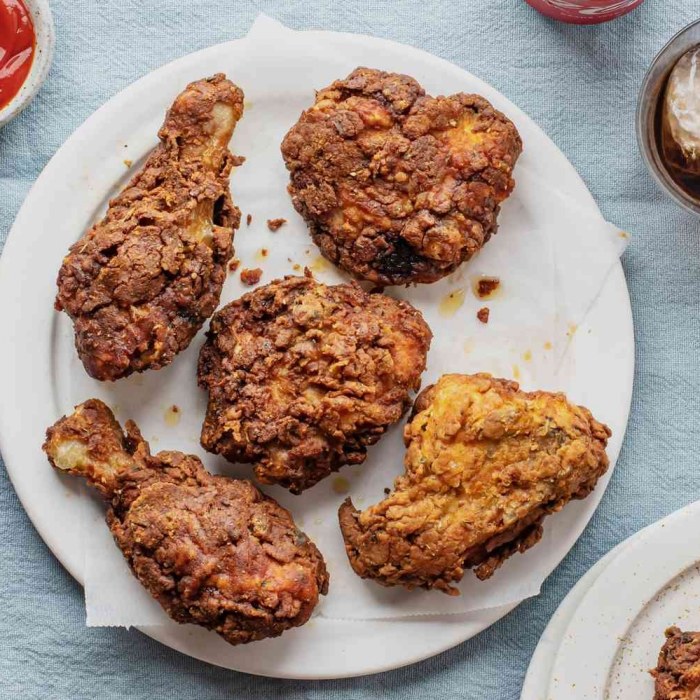
The first time you pull a batch of homemade fried chicken from the oil, the crackle is almost theatrical—a shattering crust that gives way to juicy, steaming meat. But the real magic happens on Tuesday night, when you reheat a piece and it still crunches. That's the promise of meal prep fried chicken. While the dish is rooted in Southern culinary tradition, it's also a practical powerhouse for weekly cooking. With a few smart strategies, you can enjoy that nostalgic comfort without spending hours at the stove every day. In this article, we'll explore how to batch-cook, store, and reheat this classic so it stays crisp and flavorful, and how to fit it into a realistic, balanced diet. You'll learn the science behind the crunch, the best storage methods, and expert tips to make fried chicken a staple in your weekly rotation. Get ready to transform a weekend project into a week-long delight.
Why Fried Chicken Is a Meal Prep Star
Fried chicken might seem like the ultimate indulgence, but its structure makes it surprisingly meal-prep friendly. The double-dredge in seasoned flour—often including a touch of brown sugar and egg white—creates a barrier that locks in moisture and keeps the crust from getting soggy. According to food scientist Harold McGee, the protein in egg white helps the flour adhere and forms a network that crisps beautifully when fried. Moreover, the spices in the coating—typically a blend of paprika, garlic powder, onion powder, and cayenne—are fat-soluble, meaning they infuse the oil and cling to the chicken even after storage. When cooked properly to an internal temperature of 165°F, the meat remains juicy, and the crust stays intact. Batch cooking a large quantity at once not only saves time but also ensures consistent results. You can fry up a whole chicken cut into pieces, or use boneless thighs for quicker cooking. The key is to cool the chicken completely before storing to prevent steam from softening the crust.
The Art of Batch Cooking: Timing and Techniques
To make fried chicken part of your weekly meal prep, start by planning your cooking session. A whole chicken (about 3 to 4 pounds) yields 8 to 10 pieces, enough for four to five meals. But frying in batches can be time-consuming, so efficiency is crucial. Preheat your oil to 350°F and maintain that temperature; too low and the chicken absorbs oil, too high and the crust burns before the inside cooks. Use a deep-fry thermometer for accuracy. While the oil heats, set up a dredging station with three bowls: one for seasoned flour, one for egg white (lightly beaten with a splash of water), and one for a second layer of flour. This double-dredge is what gives the chicken its signature crunch. Work in small batches to avoid crowding the pot, which drops the oil temperature. As each piece finishes, transfer it to a wire rack set over a baking sheet—not paper towels, which trap steam. Once all the chicken is fried, let it cool completely at room temperature for about 30 minutes before storing. This step is critical for maintaining crispness.
Storage Secrets for Lasting Crunch
Proper storage is the linchpin of meal prep fried chicken. After cooling, place the pieces in a single layer in an airtight container, separating layers with parchment paper to prevent sticking. Avoid stacking them directly, as the weight can crush the crust. Store in the refrigerator for up to four days. For longer storage, freeze the chicken: arrange pieces on a baking sheet and freeze until solid, then transfer to a freezer bag. Frozen fried chicken keeps for up to three months. The enemy of crispness is moisture, so ensure the chicken is completely cool before sealing. If you're packing it for lunch, consider storing the chicken separately from moist sides like coleslaw or sauces. Reheat only what you plan to eat to avoid repeated warming cycles, which degrade texture. For optimal results, reheat in an oven or air fryer rather than a microwave. A 350°F oven for 10 to 12 minutes (or 375°F air fryer for 5 to 7 minutes) will restore the crust's crunch without drying out the meat.
Pro Tip: The Cornstarch Trick for Extra Crispness
Most fried chicken recipes rely solely on flour for the coating, but adding a tablespoon or two of cornstarch to your seasoned flour can elevate the crunch to a whole new level. Cornstarch, when mixed with flour, creates a lighter, more brittle crust that stays crisp longer—a boon for meal prep. According to culinary scientists, cornstarch gelatinizes at a lower temperature than flour, forming a network that repels moisture. This is why many Asian fried chicken recipes, like Korean fried chicken, use cornstarch. For a classic Kentucky-style bird, replace 20% of the flour with cornstarch (e.g., 1 cup flour + 1/4 cup cornstarch). Additionally, a splash of vodka in the egg white mixture can further enhance crispness by evaporating quickly during frying, leaving behind a porous texture. These small tweaks make a big difference when you're reheating days later. Test this trick on your next batch and taste the staying power.
Fried Chicken in a Balanced Diet: Myths and Realities
Fried chicken often gets a bad rap in health circles, but with mindful portioning and preparation, it can absolutely fit into a balanced diet. A 3.5-ounce serving of skin-on fried chicken contains about 250-300 calories and 15-20 grams of fat, depending on the oil used. While it's not a low-calorie food, it provides high-quality protein and essential nutrients like iron and B vitamins. The key is moderation and pairing. Serve one or two pieces alongside a large portion of vegetables—think collard greens, roasted Brussels sprouts, or a crisp slaw—and a whole grain like cornbread or brown rice. This creates a satisfying plate that balances macronutrients and fiber. Also, consider your frying oil: peanut oil, with its high smoke point and neutral flavor, is a traditional choice and contains predominantly monounsaturated fats. By planning your weekly meals with fried chicken as one component rather than the centerpiece, you can enjoy it without derailing your health goals. Meal prep makes portion control easier, as you pre-portion servings rather than eating straight from the batch.
Frequently Asked Questions
Q: How do I reheat fried chicken without making it soggy? A: Use an oven or air fryer at 350°F to 375°F for 5-12 minutes. Avoid microwaving, which traps steam and ruins the crust. Q: Can I fry chicken ahead of time for a party? A: Yes, fry it a few hours ahead, cool completely on a wire rack, then reheat in a 350°F oven for 10 minutes before serving. Q: Is it safe to freeze fried chicken? A: Absolutely. Freeze cooled pieces in a single layer, then store in an airtight container for up to three months. Reheat from frozen in the oven at 350°F for 20-25 minutes.
Key Takeaways
Batch cooking fried chicken is a game-changer for weekly meal prep. Start by frying in small batches to maintain oil temperature, and always cool the chicken completely on a wire rack before storing. Use airtight containers with parchment paper to separate layers, and reheat in the oven or air fryer to preserve crunch. Add a bit of cornstarch to the flour for longer-lasting crispness, and remember that moderation is key—pair fried chicken with plenty of vegetables and whole grains for a balanced plate. With these strategies, you can enjoy the nostalgic taste of homemade Kentucky Fried Chicken any day of the week, without the fuss. So go ahead, fry a big batch this weekend, and savor the crunch all week long.
Try these recipes on DishIndex
Explore fried chicken recipes and more