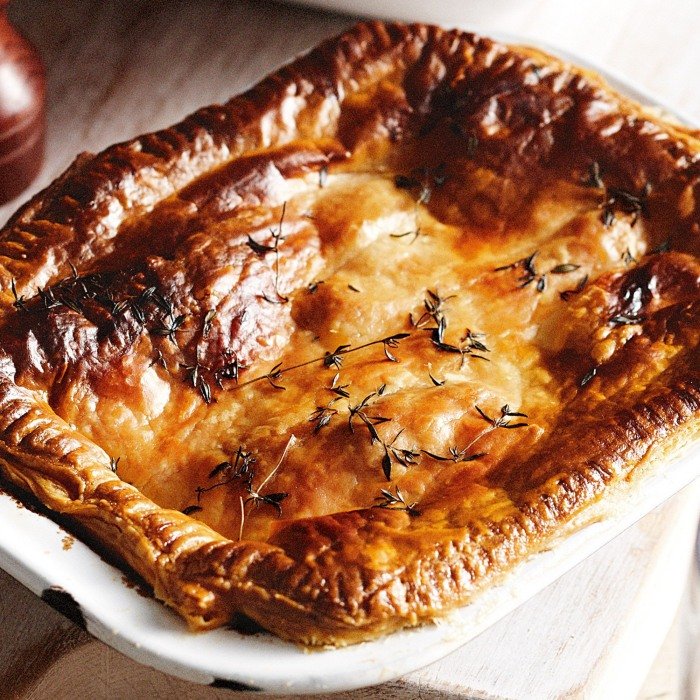
There’s something almost alchemical about a steak and kidney pie. The humble combination of beef and offal, slow-cooked into a glossy, wine-dark gravy and sealed beneath a puff pastry lid, has been a cornerstone of British cooking since the 19th century. Yet for many home cooks, it remains a daunting prospect—soggy bottoms, tough meat, and bland fillings are common pitfalls. But here’s the thing: with a few chef-level techniques and a bit of food science, you can produce a pie that rivals any pub classic. The secret lies in understanding how collagen breaks down, why kidney needs gentle handling, and how to keep that pastry shatteringly crisp. In this guide, we’ll walk through the critical steps, from selecting the right cuts to mastering the gravy’s viscosity. You’ll learn why searing matters, how to avoid the dreaded soggy bottom, and the one mistake most recipes overlook. By the end, you’ll have the confidence to bake a pie that’s deeply savory, unapologetically rich, and worthy of a Sunday table.
The Meat Matters: Choosing and Prepping Beef and Kidney
The heart of a great steak and kidney pie is the meat, and not all cuts are created equal. For the beef, choose a cut with plenty of connective tissue—chuck, blade, or shin—which breaks down into gelatin during long, slow cooking, giving the gravy its luxurious body. Avoid lean cuts like sirloin, which turn dry and stringy. As for the kidney, lamb’s kidney is traditional for its mild, sweet flavor and tender texture. Before cooking, you must remove the tough white core; leaving it in results in a bitter, chewy bite. Soak the kidney in milk or salted water for 30 minutes to draw out any lingering odors and blood. Pat dry thoroughly before searing. When browning the beef, do it in batches over high heat to achieve a deep Maillard reaction—this creates hundreds of flavor compounds. Crowding the pan steams the meat, robbing you of that savory crust. Finally, dust the meat with flour before searing; it not only aids browning but also thickens the gravy as it cooks.
The Gravy: Building Depth and Achieving the Right Consistency
A steak and kidney pie lives or dies by its gravy. The goal is a sauce that’s rich, glossy, and clings to the meat without being gluey. Start by deglazing the pan with a dry red wine or stout after searing the meat; the alcohol dissolves fond, and the acidity balances the richness. Then add beef stock—preferably homemade, as commercial stocks can be salty and one-dimensional. For depth, incorporate a splash of Worcestershire sauce or a teaspoon of Marmite, which adds umami without overpowering. The key to a silky texture is a roux: cook equal parts butter and flour, then whisk in the hot liquid. Simmer gently for at least 90 minutes; this allows the collagen to convert to gelatin and the flavors to meld. If the gravy seems thin, remember it will thicken further in the oven. Avoid over-thickening with cornstarch, which can turn gluey. Instead, let reduction do the work. A final seasoning of black pepper and a knob of butter off the heat adds a professional finish.
Puff Pastry: The Science of a Flaky, Golden Crust
Puff pastry is a laminated dough, meaning it’s composed of alternating layers of dough and butter. When baked, the water in the butter turns to steam, pushing the layers apart and creating that signature flakiness. For a pie, you want a pastry that’s crisp on the bottom and golden on top. The biggest mistake is using a wet filling that soaks the bottom crust. To prevent this, cool the filling completely before assembling, and consider blind-baking the bottom crust for a few minutes—though traditional recipes often skip this. Another trick: brush the bottom crust with egg white and bake it for 5 minutes before adding the filling; the protein coagulates and forms a moisture barrier. For the top, use an egg yolk wash for a glossy, deep golden finish. Ensure your puff pastry is cold when it goes into a hot oven (200°C/400°F); this creates maximum steam and lift. Finally, cut a small vent in the center to allow steam to escape, preventing a soggy top.
Pro Tip: The Two-Stage Cooking Method for Perfect Texture
Most recipes tell you to brown the meat, add liquid, and simmer until tender—but that often leads to overcooked kidney and mushy beef. Instead, use a two-stage approach: first, braise the beef alone in the gravy for 1.5 to 2 hours until almost tender. Then, add the kidney and cook for just 20 to 30 minutes more. Kidney becomes tough and grainy if overcooked, so this timing preserves its delicate texture. Even better, sear the kidney separately and fold it into the filling just before assembling the pie; this keeps it plump and prevents it from disintegrating. Another chef secret: add a tablespoon of gelatin bloomed in cold water to the gravy. This reinforces the natural gelatin from the beef and gives the filling a luxurious, lip-smacking consistency that holds together when sliced. These small adjustments elevate the dish from good to extraordinary.
Cultural Context: A Pie with a Storied Past
Steak and kidney pie is a quintessential British dish with roots in the 19th century, when offal was a cheap and plentiful source of protein. It became a staple in working-class households and pub menus, celebrated for its economy and depth of flavor. The combination of steak and kidney is uniquely British; similar pies exist in other cultures, but none have the same iconic status. During World War II, the pie was adapted to rationing, with cooks stretching the meat with vegetables and suet. Today, it’s a symbol of traditional British comfort food, often served with mushy peas or mashed potatoes. Its enduring popularity lies in its ability to transform humble ingredients into something deeply satisfying. Understanding this history adds a layer of appreciation—each bite connects you to generations of cooks who mastered the art of making do with what was available.
Frequently Asked Questions
Q: Can I use store-bought puff pastry for this pie? A: Absolutely. High-quality all-butter puff pastry works beautifully and saves time. Just ensure it’s thawed properly and kept cold before baking. Q: How do I prevent a soggy bottom? A: Cool the filling completely, brush the bottom crust with egg white, and bake on a preheated baking stone or in a metal pie dish for even heat distribution. Q: Can I make this pie ahead of time? A: Yes. Assemble the pie, wrap it tightly, and refrigerate for up to 24 hours. Add 10 minutes to the baking time. You can also freeze the unbaked pie for up to a month; bake from frozen at 180°C (350°F) until golden.
Key Takeaways
Mastering steak and kidney pie comes down to a few critical techniques. Choose chuck or shin for the beef and lamb kidney for its tenderness. Sear the meat in batches for a deep crust, and build the gravy with wine and homemade stock for complexity. Cook the beef first, then add the kidney later to avoid overcooking. Use a cold puff pastry and an egg wash for a flaky, golden top. Prevent sogginess by cooling the filling and sealing the bottom crust with egg white. Finally, don’t rush the simmer—time is your ally in developing flavor and texture. With these tips, you’ll create a pie that’s not only a feast for the eyes but a triumph of British comfort food.
Try these recipes on DishIndex
Explore steak and kidney pie recipes and more