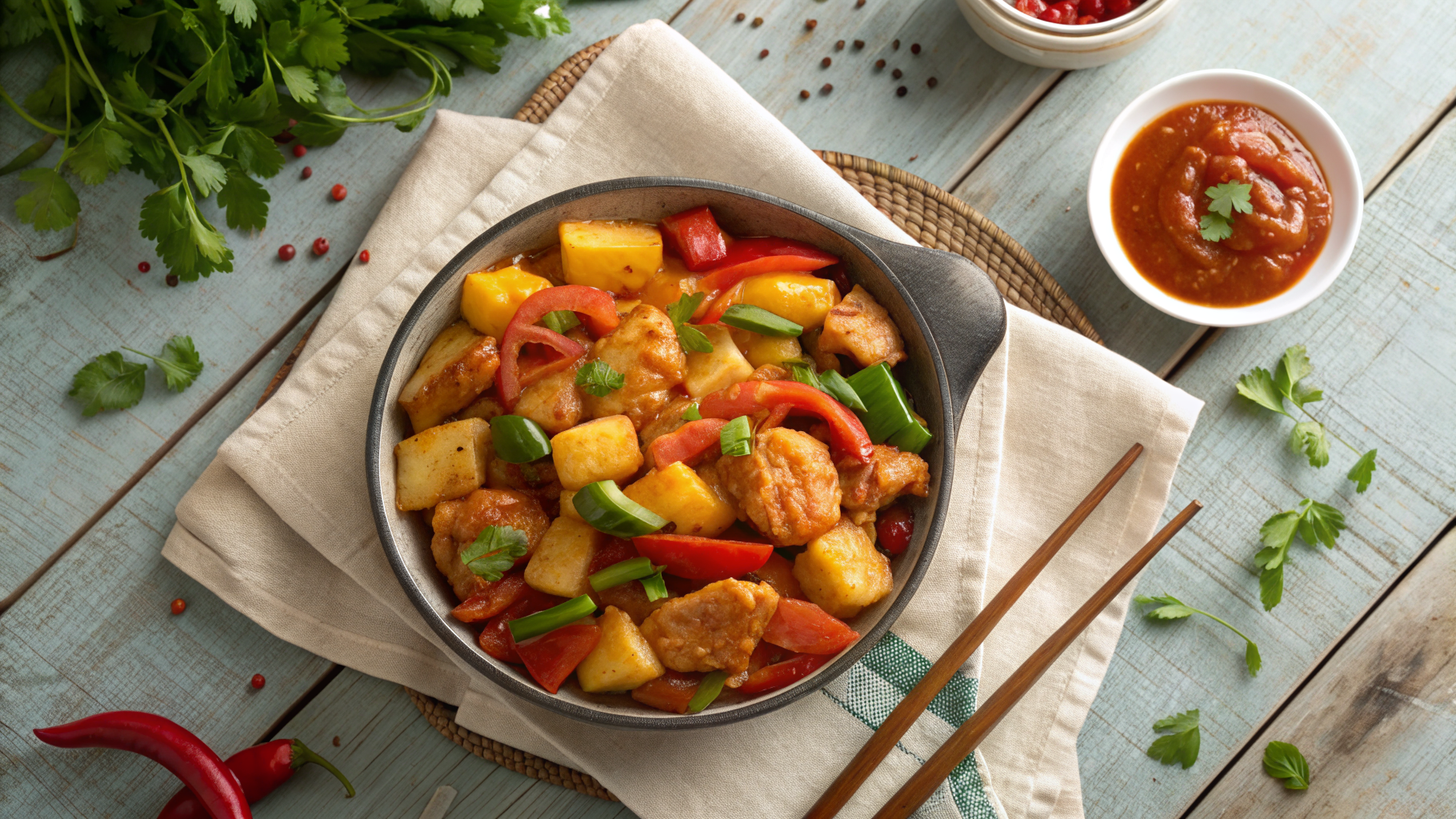
Picture this: a sizzling plate of sweet and sour chicken, the glossy sauce clinging to golden-brown morsels of chicken, chunks of pineapple bursting with juice, and colorful bell peppers adding crunch. It's a dish that has graced Chinese-American tables for over a century, a beloved comfort food that balances tangy, sweet, and savory in every bite. But as we become more conscious of our environmental impact, it's worth asking: can we enjoy this classic without compromising our planet? The answer is a resounding yes. From sourcing chicken responsibly to using every part of the pineapple, there are simple yet impactful ways to make sweet and sour chicken more sustainable. In this article, we'll explore how to reduce food waste, choose seasonal and local ingredients, and adopt eco-friendly cooking methods that not only lessen the dish's carbon footprint but also enhance its flavor. You'll discover that sustainability and deliciousness go hand in hand, and you'll come away with practical tips to transform your kitchen into a greener space. So let's dive in and give this crowd-pleaser a sustainable makeover.
The Environmental Footprint of a Takeout Favorite
Sweet and sour chicken may seem innocuous, but its ingredients carry hidden environmental costs. Chicken, the star protein, has a lower carbon footprint than beef—producing about 6.9 kg of CO2-equivalent per kilogram of meat compared to beef's 27 kg—but conventional poultry farming still contributes to deforestation, water pollution, and greenhouse gas emissions. Pineapples, often imported from tropical regions, travel thousands of miles to reach our plates, and their cultivation can lead to habitat loss and pesticide use. Even the sauce, typically made with refined sugar and vinegar, has a supply chain that relies on energy-intensive processing. However, by making mindful choices—such as opting for locally raised, pasture-raised chicken and using fresh pineapple from sustainable sources—we can significantly reduce the dish's impact. Moreover, simple swaps like using honey or maple syrup instead of refined sugar, and apple cider vinegar produced locally, further shrink the carbon footprint. The key is to think holistically: every ingredient has a story, and by choosing wisely, we can write a greener one.
The Unsung Hero: Why Pineapple Core Deserves a Place on Your Plate
Most recipes call for pineapple chunks, leaving the core to be discarded. But that tough, fibrous core is a nutritional powerhouse and a sustainability win. It contains bromelain, an enzyme that aids digestion and has anti-inflammatory properties, and it's packed with fiber and vitamin C. Instead of tossing it, grate the core and add it to the sauce for natural sweetness and thickness, or slice it thinly and pickle it for a tangy condiment. This simple act reduces food waste—pineapple cores account for about 30% of the fruit's weight—and adds depth to the dish. Additionally, if you're using canned pineapple, choose brands that are packed in juice rather than syrup to avoid added sugars, and recycle the can. Better yet, buy a whole pineapple from a local supplier; it's often cheaper and fresher than pre-cut, and you can use the skin to make a refreshing tea. By embracing the whole fruit, you honor the resource-intensive journey it took to reach your kitchen and extract maximum value from every part.
From Canton to California: A Dish with a Storied Past
Sweet and sour chicken as we know it today is a product of culinary fusion, born from the meeting of Cantonese cooking and Western tastes. Its roots lie in China's Guangdong province, where sweet and sour pork was a traditional dish, often made with vinegar, sugar, and soy. When Chinese immigrants arrived in the United States in the 19th century, they adapted recipes to local ingredients and preferences, swapping pork for chicken and adding ketchup and canned pineapple—convenience foods that became staples in American kitchens. By the mid-20th century, sweet and sour chicken had become a staple of Chinese-American restaurants, a symbol of cultural exchange. Today, it's enjoyed worldwide, from London to Sydney, with each region adding its own twist. Understanding this history reminds us that food is never static; it evolves with migration, trade, and innovation. By cooking this dish sustainably, we participate in that ongoing story, ensuring that future generations can enjoy it without depleting the resources that make it possible.
Pro Tip: Use the Whole Chicken for Zero-Waste Cooking
Most recipes call for boneless, skinless chicken thighs, but choosing a whole chicken and breaking it down yourself is a more sustainable approach. It reduces packaging, allows you to use the bones for a flavorful broth, and ensures you're not wasting any part. Here's how: buy a whole pasture-raised chicken from a local farm, then separate the thighs and drumsticks for this dish, reserving the breasts for another meal and the carcass for stock. Simmer the bones with vegetable scraps (like onion skins and carrot peels) for a rich, gelatinous broth that can be used as a base for the sweet and sour sauce or future soups. This practice not only minimizes waste but also saves money—a whole chicken often costs less per pound than pre-cut parts. And by using the entire animal, you show respect for the life that nourished you. It's a small shift that yields big returns for both your kitchen and the planet.
The Future of Comfort Food: Balancing Tradition and Sustainability
As climate change accelerates, the way we eat is under scrutiny. Yet comfort foods like sweet and sour chicken need not be sacrificed at the altar of sustainability. In fact, they can be part of the solution. Chefs and home cooks are increasingly embracing plant-forward versions—think crispy tofu or cauliflower in place of chicken—and using locally sourced, organic ingredients to reduce environmental impact. At the same time, innovations like upcycled ingredients (e.g., pineapple core powder) and energy-efficient cooking appliances (e.g., air fryers) are making traditional recipes greener. The dish also fits into the growing trend of 'root-to-stem' cooking, where every part of the ingredient is used. By adapting our cooking methods and ingredient choices, we can preserve the cultural heritage of sweet and sour chicken while safeguarding the planet. After all, sustainability isn't about deprivation; it's about creativity and respect—for the food, the farmers, and the future.
Frequently Asked Questions
Q: Can I make sweet and sour chicken with frozen chicken? A: Yes, but choose frozen chicken from sustainable sources and thaw it in the refrigerator overnight to minimize waste and energy use. Avoid running water to thaw, as it wastes water. Q: How can I reduce the sugar content without losing flavor? A: Use natural sweeteners like pineapple juice or grated apple to add sweetness. Reduce the amount of added sugar in the sauce by half and taste as you go. Q: Is it better to use fresh or canned pineapple for sustainability? A: Fresh, locally sourced pineapple is best, but if unavailable, choose canned pineapple packed in juice (not syrup) and recycle the can. Frozen pineapple is also a good option with a lower carbon footprint than canned.
Key Takeaways
Embrace the whole ingredient: use pineapple cores in sauces or pickles, and simmer chicken bones for broth. Choose sustainably raised chicken and local produce whenever possible to reduce carbon emissions. Adopt energy-efficient cooking methods like air frying or stir-frying over high heat to shorten cooking time. Get creative with leftovers—transform extra sweet and sour chicken into fried rice or wraps. Finally, remember that small, consistent actions in the kitchen add up to a significant environmental impact. By making these choices, you're not only crafting a delicious meal but also contributing to a more resilient food system. So next time you crave sweet and sour chicken, know that you can satisfy your taste buds and your conscience in one satisfying bite.
Try these recipes on DishIndex
Explore sweet and sour chicken recipes and more