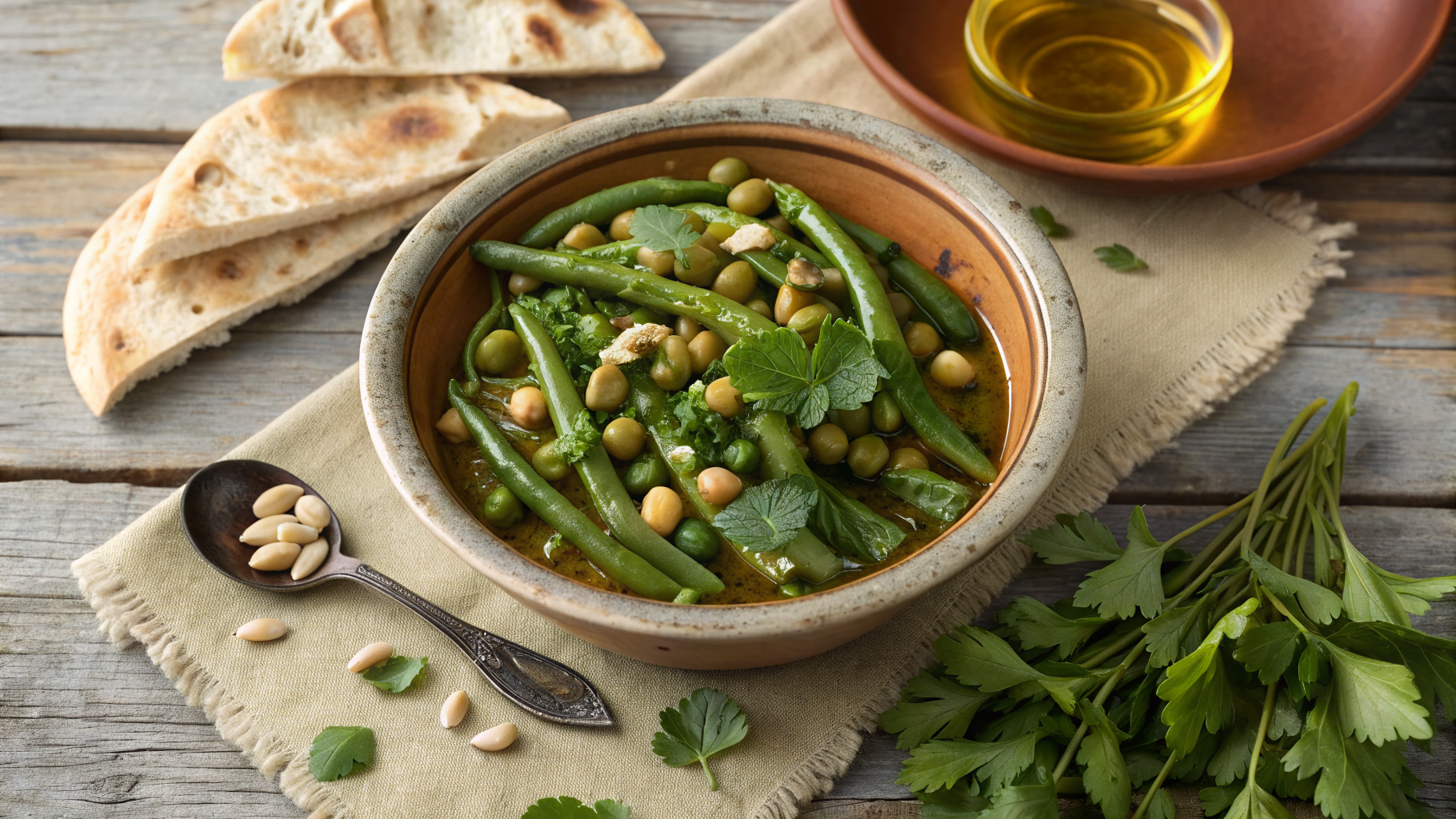
In the bustling kitchens of Damascus, a humble dish of green beans simmered in olive oil tells a story of resourcefulness and flavor. Fasoliyyeh Bi Z-Zayt, which translates to 'green beans with oil,' is a cornerstone of Syrian home cooking, especially during the spring when beans are at their peak. Unlike heavy stews, this dish relies on the natural sweetness of green beans, coaxed out by a slow simmer with garlic, cilantro, and a generous glug of olive oil. The result is a silky yet slightly crisp texture, brightened by herbal notes and a whisper of heat. But what makes this dish truly special is its simplicity—and the precise techniques that elevate it from ordinary to extraordinary. In this article, we'll explore the culinary science behind achieving the perfect texture, the common pitfalls that lead to mushy or bland beans, and the cultural significance of this beloved dish. By the end, you'll have the confidence to cook Fasoliyyeh Bi Z-Zayt like a Syrian grandmother, with all the nuanced tips that make it unforgettable.
The Science of Silky Beans
Achieving the ideal texture in Fasoliyyeh Bi Z-Zayt is a delicate balance. Green beans are composed of cellulose and pectin, which soften when heated but can turn mushy if overcooked. The key is to cook them in their own juices with minimal added liquid. As the beans release moisture, they create a flavorful broth that concentrates the olive oil and aromatics. The olive oil plays a crucial role: it coats the beans, preventing them from drying out and helping to emulsify the cooking juices into a silky sauce. Additionally, the garlic and cilantro are added in stages—some early for depth, some late for brightness. A common mistake is to boil the beans first; instead, sauté them briefly in olive oil to seal in flavor, then cover and simmer gently. This method, known as 'sweating,' allows the beans to soften without losing their structure. The result is a dish where each bean retains a slight bite, while the surrounding sauce is rich and unctuous.
Garlic and Cilantro: The Dynamic Duo
Garlic and cilantro are the soul of Fasoliyyeh Bi Z-Zayt. In Syrian cooking, garlic is often pounded with salt to a paste, which releases allicin—a compound that gives garlic its pungent kick. This paste is then sautéed in olive oil until fragrant but not browned, as burnt garlic turns bitter. Cilantro, on the other hand, is added in two stages: the stems are chopped and cooked with the beans for a subtle earthiness, while the leaves are folded in at the end for a fresh, bright finish. This dual approach maximizes flavor complexity. A lesser-known tip: toasting the cilantro seeds (coriander) and grinding them into the dish adds a warm, citrusy note that complements the green beans. Many home cooks skip this step, but it's a game-changer. Additionally, a pinch of red pepper flakes is optional but traditional in some regions, adding a gentle heat that balances the richness of the olive oil. The interplay of these ingredients is what makes the dish sing.
A Dish Steeped in Syrian Tradition
Fasoliyyeh Bi Z-Zayt is more than just a recipe; it's a reflection of Syrian hospitality and seasonal eating. In Syria, meals are often built around the freshest produce available, and this dish shines in spring when green beans are tender and abundant. It is typically served as part of a mezze spread, alongside hummus, tabbouleh, and warm pita bread. Historically, the dish has roots in the Levantine tradition of cooking vegetables in olive oil, a practice that dates back centuries. The use of olive oil is significant—Syria is home to some of the oldest olive groves in the world, and the oil is a symbol of prosperity and health. During Lent, many Syrian Christians prepare Fasoliyyeh Bi Z-Zayt as a vegan main, omitting any meat. However, in some households, small pieces of lamb or beef are added for a heartier version, especially on festive occasions. This adaptability speaks to the dish's enduring appeal across generations and social classes.
Pro Tip: The Two-Stage Olive Oil Method
Most recipes tell you to simply drizzle olive oil over the beans, but the secret to a truly luxurious Fasoliyyeh Bi Z-Zayt lies in a two-stage olive oil technique. First, use a generous amount of olive oil to sauté the aromatics and coat the beans at the start. This initial oil infuses the dish with depth and helps the beans cook evenly without sticking. Then, just before serving, drizzle a finishing oil—preferably a robust, peppery extra-virgin olive oil—over the top. This raw oil retains its polyphenols and adds a fresh, fruity punch that cooking would otherwise destroy. The contrast between the cooked-in oil and the finishing oil creates a layered flavor profile that is both rich and bright. Additionally, resist the urge to stir frequently; letting the beans sit undisturbed allows them to caramelize slightly on the bottom, adding a subtle sweetness. This method, used by Syrian chefs, transforms a simple dish into a complex, memorable experience.
Nutrition and Modern Appeal
In an era where plant-based eating and Mediterranean diets dominate health headlines, Fasoliyyeh Bi Z-Zayt is a nutritional powerhouse. Green beans are low in calories but high in fiber, vitamins C and K, and antioxidants. Olive oil provides heart-healthy monounsaturated fats, while garlic and cilantro offer anti-inflammatory properties. A single serving can deliver nearly 20% of your daily fiber needs, promoting gut health and satiety. Unlike many vegan dishes that rely on processed substitutes, this dish celebrates whole ingredients. Its naturally vegan and gluten-free nature makes it accessible to a wide range of dietary preferences. Moreover, the dish aligns with the principles of the Mediterranean diet, which has been linked to reduced risk of chronic diseases. Chefs and home cooks alike are rediscovering this Syrian classic as a versatile side or main, proving that traditional recipes often hold the keys to modern wellness. Its simplicity and depth of flavor make it a staple in contemporary kitchens, bridging old-world tradition with new-world health consciousness.
Frequently Asked Questions
Q: Can I use frozen green beans for this dish? A: Yes, but adjust cooking time. Frozen beans are blanched, so they cook faster. Sauté them briefly and simmer for only 5-7 minutes to avoid mushiness. Fresh beans yield the best texture, but frozen works in a pinch. Q: How do I prevent the garlic from burning? A: Sauté garlic over medium-low heat and add a pinch of salt to lower the oil temperature. Stir constantly and remove from heat as soon as it turns golden. Burnt garlic ruins the dish with bitterness. Q: Is this dish served hot or cold? A: Traditionally warm or at room temperature. It's often part of a mezze spread, so it's served warm with pita. Leftovers are delicious cold, but the olive oil may solidify; gently reheat to restore silky texture.
Key Takeaways
To master Fasoliyyeh Bi Z-Zayt, remember these core lessons: First, sweat the beans in olive oil rather than boiling them to preserve texture and flavor. Second, layer your garlic and cilantro—cook some for depth, add some raw for brightness. Third, use a two-stage olive oil approach: cook with a generous amount, then finish with a peppery extra-virgin drizzle. Fourth, embrace the optional red pepper flakes for a subtle heat that balances richness. Finally, serve it warm with pillowy pita to soak up the fragrant juices. With these tips, you'll transform simple green beans into a dish that honors Syrian tradition and delights modern palates. Whether as a side or a vegan main, this dish proves that the best cooking is often the simplest, executed with care and precision.
Try these recipes on DishIndex
Explore Syrian green beans recipes and more