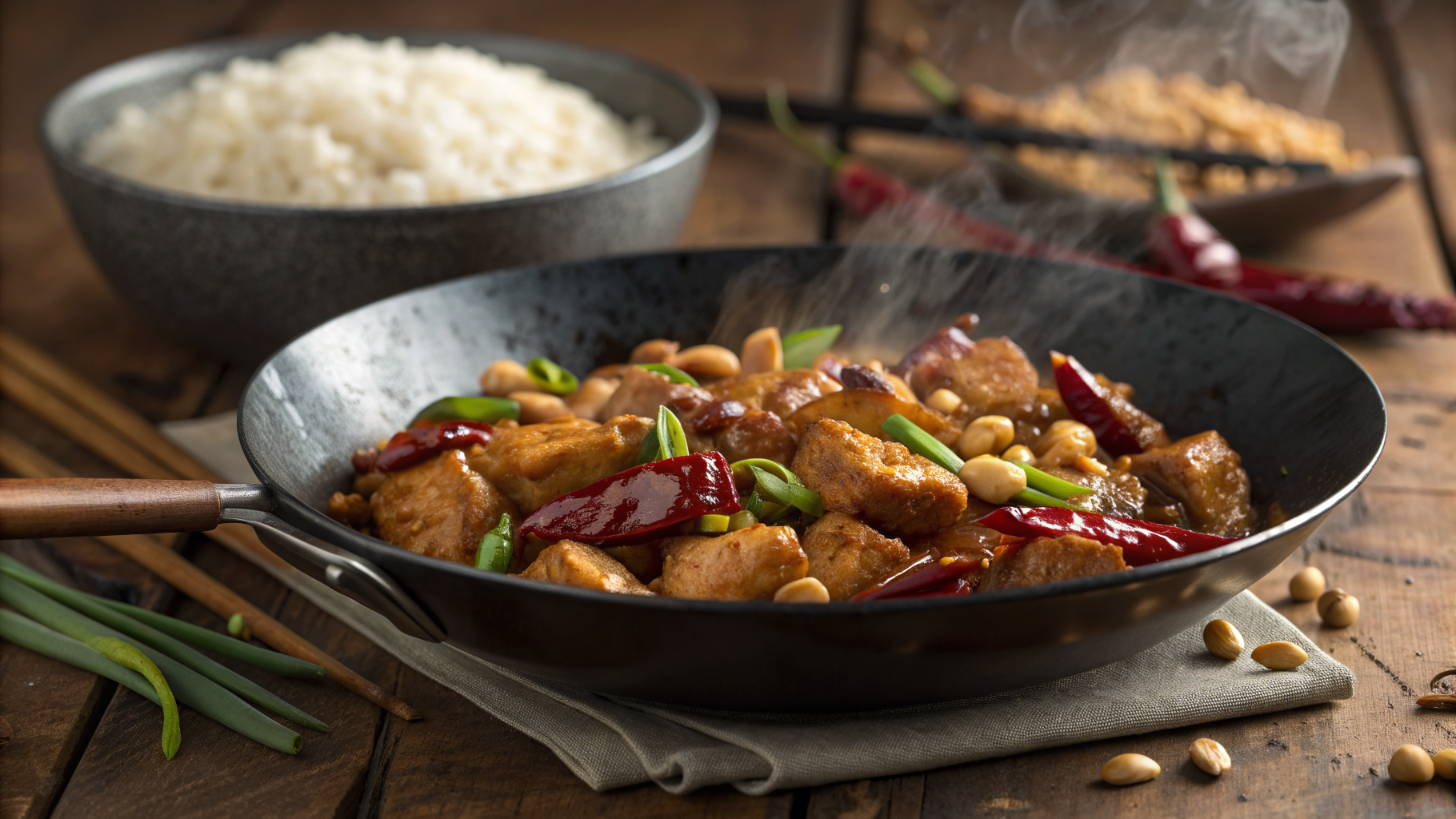
The first time you taste a properly made Kung Pao Chicken, it hits you like a culinary thunderclap. The numbing tingle of Sichuan peppercorns dances on your tongue, followed by a wave of spicy heat from dried chilies, and then the sweet-tangy embrace of a glossy sauce clinging to tender chicken. This isn't the sugary, bland stir-fry you might find in some takeout boxes. This is a dish with over 150 years of history, born in the Sichuan province of China, and named after Ding Baozhen, a Qing dynasty official whose title was 'Gong Bao' (palace guardian). Originally a humble stir-fry, it evolved into a global icon, celebrated for its complex balance of flavors and textures. In this article, I'll share the culinary science and chef-level techniques that separate a mediocre Kung Pao from a transcendent one. You'll learn how to velvet chicken for silky tenderness, achieve wok hei (breath of the wok), and avoid the pitfalls that turn this dish into a soggy, unbalanced mess. By the end, you'll have the confidence to recreate restaurant-quality Kung Pao in your own kitchen, every time.
The Science of Velveting: Why Your Chicken Should Never Be Rubbery
Velveting is the Chinese technique of marinating meat in cornstarch, egg white, and rice wine before a quick oil blanch or stir-fry. It's the secret behind the impossibly tender chicken in top restaurants. The science is simple: cornstarch creates a protective barrier that seals in moisture, while the alkaline nature of egg white raises the meat's pH, preventing proteins from tightening excessively during cooking. For Kung Pao, a 30-minute marinade in soy sauce, sake, and corn flour is non-negotiable. But here's the catch: most home cooks skip the velveting step or use too much cornstarch, resulting in a gluey coating. The correct ratio is one tablespoon of cornstarch per pound of chicken, mixed with one tablespoon of soy sauce and one tablespoon of sake. Let it sit for at least 20 minutes. Then, briefly poach the chicken in oil at 300°F (150°C) for 30 seconds before stir-frying. This pre-cooking ensures even doneness and that signature velvety texture. Without this step, you're just stir-frying chicken cubes that will toughen the moment they hit high heat.
Wok Hei: The Elusive Breath of the Wok and How to Fake It
Wok hei, or 'breath of the wok,' is the smoky, charred aroma that defines great stir-fries. It's the result of high heat—over 600°F (315°C)—causing oil and food particles to vaporize and ignite briefly, creating complex flavor compounds. Traditional woks achieve this over a roaring flame, but home burners rarely exceed 500°F. So how do you get that restaurant-quality sear? First, use a carbon steel wok, not non-stick. Second, preheat it until it just starts to smoke, then add oil. Third, cook in small batches. Overcrowding drops the temperature and steams the food instead of searing it. For Kung Pao, stir-fry the chicken first, remove it, then stir-fry the aromatics and chilies. Finally, return the chicken with the sauce and toss for 30 seconds over the highest heat. The sugar in the sauce will caramelize slightly, mimicking wok hei. A splash of sake at the end also creates a burst of steam that helps carry aromas. It's not perfect, but it's a reliable home-kitchen hack.
Sichuan Peppercorns: The Tingling Soul of the Dish
Sichuan peppercorns aren't peppers at all—they're the dried husks of the prickly ash tree, and they contain a compound called hydroxy-alpha-sanshool that triggers a unique tingling, numbing sensation on the lips and tongue. This isn't a flavor; it's a tactile experience, often described as a 50-hertz vibration. In Kung Pao Chicken, they are essential, but they must be used correctly. Toasting them in a dry wok for 30 seconds releases their citrusy, floral oils, but overheating turns them bitter. Grind them fresh for the sauce, and also add whole ones to the oil at the start of stir-frying for a more intense tingle. A common mistake is using pre-ground peppercorns from a jar—they lose their potency within weeks. Buy whole peppercorns, toast them, and grind as needed. If you can't find them, a mix of black pepper and a pinch of ground coriander can approximate the warmth, but the numbing effect will be missing. For authenticity, seek out Sichuan peppercorns from the Hanyuan region, prized for their vibrant aroma.
Pro Tip: Balance Your Sauce with the 1:1:1:1 Rule
The hallmark of great Kung Pao Chicken is its sauce: a harmonious blend of sweet, sour, salty, and spicy. Many recipes fail because they overcomplicate the ratios or add too much of one element. The traditional Sichuan approach follows a simple 1:1:1:1 rule: one part soy sauce, one part black vinegar (Chinkiang), one part sugar, and one part sake or Shaoxing wine. This creates a balanced base. Then, add a teaspoon of sesame oil for aroma and a tablespoon of cornstarch slurry to thicken. But here's the pro tip: taste your sauce before it hits the wok. Adjust by adding a pinch of salt if the soy sauce is light, or a splash more vinegar if it's too sweet. Also, remember that the dried chilies and Sichuan peppercorns will add their own heat and numbing, so don't overdo the spice in the sauce. Finally, add the sauce off the heat to prevent clumping; the residual heat will thicken it perfectly. This rule is your insurance against a cloying or bland stir-fry.
Kung Pao Chicken's Journey: From Qing Dynasty to Global Icon
Kung Pao Chicken was born in the late 19th century, named after Ding Baozhen, the governor of Sichuan province. Legend has it that Ding loved a dish of diced chicken, peanuts, and chilies so much that it became a staple in his household, and eventually, his title 'Gong Bao' was attached to it. After his death, the dish spread across China, but it was in the 1970s, with the opening of Chinese restaurants in the West, that it became a global phenomenon. However, the Western version often diverges: it's sweeter, less spicy, and sometimes includes vegetables like bell peppers or water chestnuts. In Sichuan, the authentic version is simpler—just chicken, peanuts, and chilies—and packs a numbing punch. Today, Kung Pao Chicken is a staple in American Chinese cuisine, but food historians note that the original recipe used chicken bones and skin for flavor, while modern versions use boneless breast or thigh. This evolution reflects how dishes adapt to local tastes and available ingredients, yet the core identity remains: a fiery, aromatic stir-fry that celebrates the boldness of Sichuan cuisine.
Frequently Asked Questions
Q: Can I make Kung Pao Chicken without a wok? A: Absolutely. A large skillet or cast-iron pan works well. Just ensure it's preheated until smoking, and cook in batches to avoid steaming. The key is high heat and quick tossing. Q: How do I adjust the spiciness? A: Control heat by removing seeds from dried chilies and using fewer Sichuan peppercorns. For more heat, add a teaspoon of chili oil or leave seeds in. Remember, the sauce's sweetness balances the spice, so taste and adjust. Q: What's the best substitute for Shaoxing wine? A: Dry sherry or sake works best. Avoid rice vinegar, which is too acidic. For a non-alcoholic option, use chicken broth with a splash of apple cider vinegar. The wine adds depth, so don't skip it entirely.
Key Takeaways
To master Kung Pao Chicken, remember these five lessons: First, always velvet your chicken with cornstarch and sake for 20 minutes to ensure tenderness. Second, use a carbon steel wok and preheat it until smoking to achieve wok hei. Third, toast and grind whole Sichuan peppercorns for the signature numbing tingle. Fourth, balance your sauce with equal parts soy, vinegar, sugar, and wine, then adjust to taste. Fifth, cook in batches and add sauce off the heat to prevent clumping. With these techniques, you'll transform a simple stir-fry into a restaurant-quality dish that honors its Sichuan heritage. Now, fire up your wok and enjoy the addictive complexity of homemade Kung Pao Chicken.
Try these recipes on DishIndex
Explore Kung Pao Chicken recipes and more