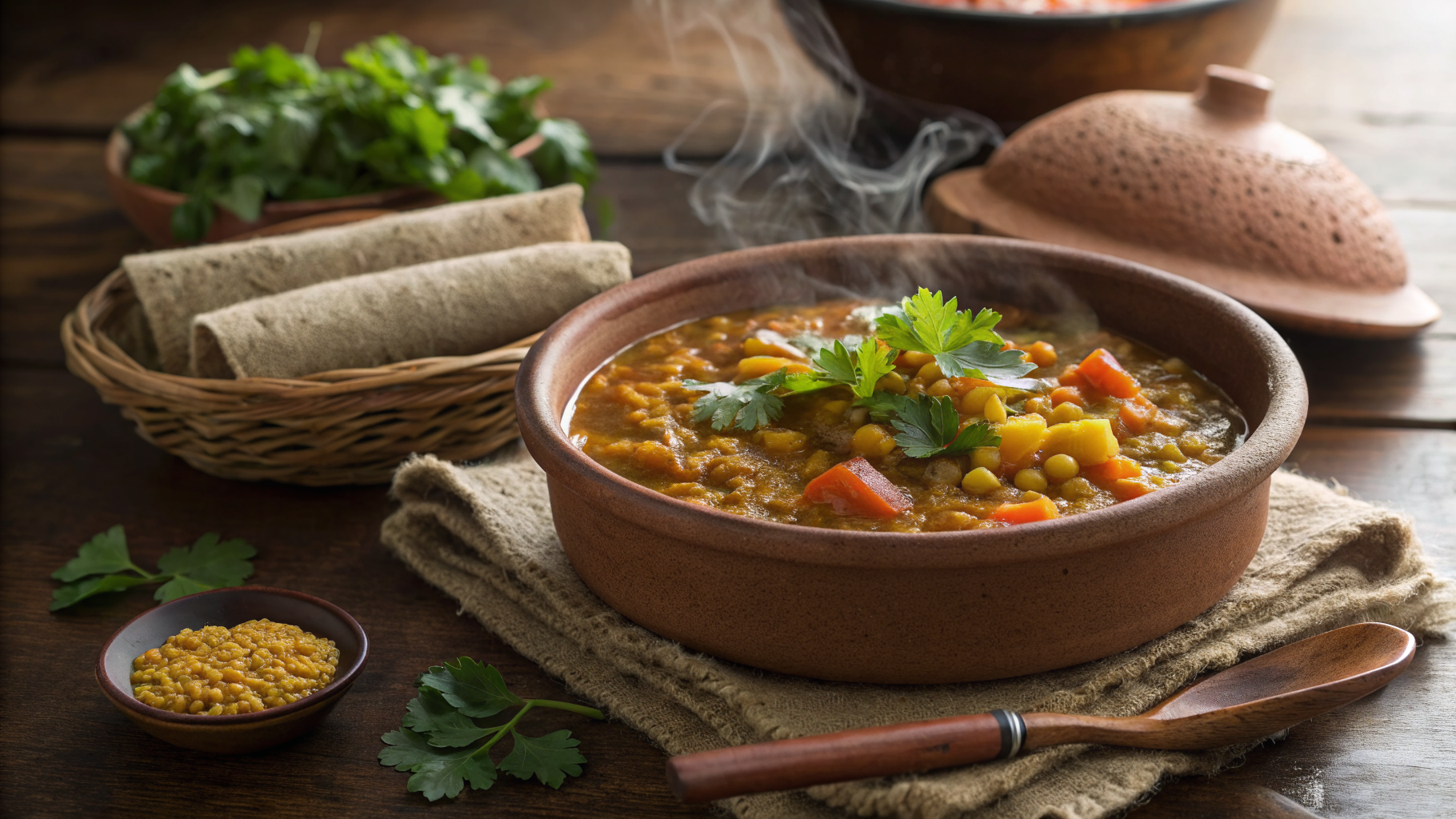
Imagine walking through the bustling lanes of Addis Ababa's Shola Market, where the air hums with the scent of roasting berbere and tangy fermenting teff. Vendors stack pyramids of red lentils and golden split peas, their earthy aroma mingling with the chatter of shoppers. This is the heart of Ethiopian cuisine, where misir wot (red lentil stew) and shuro wot (split pea stew) are more than daily staples—they are nutritional lifelines. In a country where legumes provide nearly 20 percent of dietary protein, these stews embody centuries of culinary wisdom. But what makes them so remarkable is not just their deep, spicy flavor, but their scientifically validated health benefits. From complete protein profiles to gut-friendly fiber and anti-inflammatory spices, this dish is a case study in how traditional foods can meet modern nutritional needs. In the following sections, we'll unpack the macros, vitamins, and research behind each ingredient, explore how berbere amplifies health, and offer practical tips to maximize nutrition. By the end, you'll see this stew not just as comfort food, but as a functional food worthy of a place in any health-conscious kitchen.
The Macro Profile: A Complete Protein and Fiber Powerhouse
Red lentils and split yellow peas are the backbone of this stew, and their macronutrient synergy is impressive. One cup of cooked red lentils provides about 18 grams of protein and 16 grams of fiber, while split peas contribute roughly 16 grams of protein and 16 grams of fiber per cup. Together, they deliver a complete amino acid profile—legumes are typically low in methionine but high in lysine, and when paired with grains like injera (made from teff), the combination forms a complete protein. A single serving of this stew (about 1.5 cups) can easily supply 20–25 grams of plant protein and 15–20 grams of fiber, covering over half your daily fiber needs. Research from the American Journal of Clinical Nutrition shows that such high-fiber legume meals improve glycemic control and increase satiety. Moreover, the resistant starch in cooked and cooled legumes acts as a prebiotic, feeding beneficial gut bacteria. For vegans, this stew is a reliable source of iron and zinc, though pairing with vitamin C-rich foods (like a squeeze of lemon) enhances absorption.
Berbere's Bioactive Compounds: Beyond Heat
Berbere, the iconic Ethiopian spice blend, is a nutritional force multiplier. A typical blend includes chili peppers, fenugreek, coriander, cardamom, cloves, ginger, and garlic—each contributing unique bioactive compounds. Capsaicin from chilies has been linked to increased metabolic rate and reduced inflammation in studies published in Nutrients. Fenugreek, rich in soluble fiber and saponins, may help lower blood glucose and cholesterol. Ginger and garlic provide gingerols and allicin, respectively, with well-documented antimicrobial and cardiovascular benefits. A 2021 review in the Journal of Ethnic Foods highlighted that Ethiopian berbere exhibits significant antioxidant activity, largely due to its high phenolic content. Importantly, the fat-soluble compounds in these spices are better absorbed when cooked with a little oil—traditional recipes often use niter kibbeh (spiced clarified butter) or oil, enhancing bioavailability. Even the slow simmering process helps concentrate flavors and preserve heat-sensitive vitamins like vitamin C from the peppers. So when you add berbere, you're not just adding heat; you're layering in a pharmacy of plant compounds.
Cultural Roots and Regional Variations
Misir and shuro wot are woven into Ethiopia's culinary fabric, with regional variations that reflect local agriculture and tradition. In the highlands, where teff thrives, injera is the ubiquitous accompaniment, while in the lowlands, sorghum or millet flatbreads may appear. The Amhara and Tigray regions are known for their robust berbere blends, often including ajwain and nigella seeds, whereas southern regions may use more cardamom and coriander. Historically, these stews were fasting foods—prepared without animal products during the many Orthodox Christian fasting days (over 200 per year), which inadvertently created a vegan cuisine centuries before the term existed. The word 'wot' itself means stew, and the technique of caramelizing onions (called 'yebesele') without oil or water is a hallmark of Ethiopian cooking, yielding a deep sweetness. This method, often called 'dry-frying,' intensifies flavor and reduces added fat. Today, these stews remain a symbol of hospitality, served on a shared platter with injera, where the communal act of eating with hands reinforces social bonds.
Pro Tip: Soak and Sprout for Maximum Nutrient Absorption
Most home cooks simply rinse lentils and peas before cooking, but a simple soak can dramatically improve nutritional value. Soaking legumes for 8–12 hours reduces phytic acid, a compound that binds minerals like iron and zinc and inhibits their absorption. Studies show that soaking can reduce phytic acid by up to 50 percent, freeing up minerals for your body to use. Even better, sprouting (germinating) the legumes for 12–24 hours after soaking increases vitamin C content and further reduces antinutrients. To do this, drain the soaked legumes, rinse, and leave them in a colander covered with a cloth for a day until tiny tails appear. Then cook as usual. The sprouting process also enhances protein digestibility and may reduce cooking time. For split peas, which are already split and hulled, soaking is quicker—just 4–6 hours. This small step is a game-changer for anyone relying on plant-based iron sources, especially women and vegans. And it fits perfectly into the traditional Ethiopian practice of mindful preparation.
The Health Science of Legume-Based Diets
Ethiopia's legume-centric cuisine aligns with a growing body of research supporting plant-based diets for chronic disease prevention. A 2023 meta-analysis in The Lancet found that high legume intake (around 100–150 grams per day) is associated with a 10–20 percent reduction in cardiovascular disease risk. The fiber, potassium, and magnesium in lentils and peas contribute to lower blood pressure and improved lipid profiles. Furthermore, the resistant starch and oligosaccharides in these legumes promote a healthy gut microbiome, which is linked to reduced systemic inflammation. The traditional Ethiopian diet, which features legumes daily, may partly explain the country's relatively low rates of colorectal cancer compared to Western nations. However, it's important to note that the overall diet pattern—rich in vegetables, whole grains, and spices—works synergistically. This stew is a perfect entry point for those looking to incorporate more legumes, offering a satisfying, flavorful alternative to meat-based meals without compromising on protein or taste.
Frequently Asked Questions
Q: Can I make this stew in a slow cooker? A: Yes, after sautéing onions, garlic, and ginger, transfer everything to a slow cooker with broth and spices. Cook on low for 6–8 hours. Add berbere near the end to preserve its aroma. Q: How do I reduce the heat without losing flavor? A: Use mild chili powder or paprika in place of some berbere, and add a tablespoon of tomato paste for depth. A dollop of coconut milk can also mellow the heat while adding creaminess. Q: Is injera essential, or can I serve it with rice? A: Injera's tangy flavor and spongy texture are traditional, but rice, quinoa, or flatbread work well. For a gluten-free option, serve with millet or teff polenta to mimic the experience.
Key Takeaways
This Ethiopian stew is a nutritional tour de force: a single bowl delivers complete protein, over half your daily fiber, and a spectrum of antioxidants from berbere. Soak your legumes to unlock minerals and improve digestibility—a small step with big returns. Remember that the spices are not just flavor; they are functional ingredients that fight inflammation and support metabolism. Embrace the traditional technique of dry-frying onions to build deep flavor without excess fat. Finally, view this dish as a template: swap in other legumes or greens, adjust spices to your taste, and make it a weekly staple. By cooking this stew, you're not only nourishing your body but also connecting to a culinary tradition that has championed plant-based eating for centuries.
Try these recipes on DishIndex
Explore Ethiopian lentil stew recipes and more