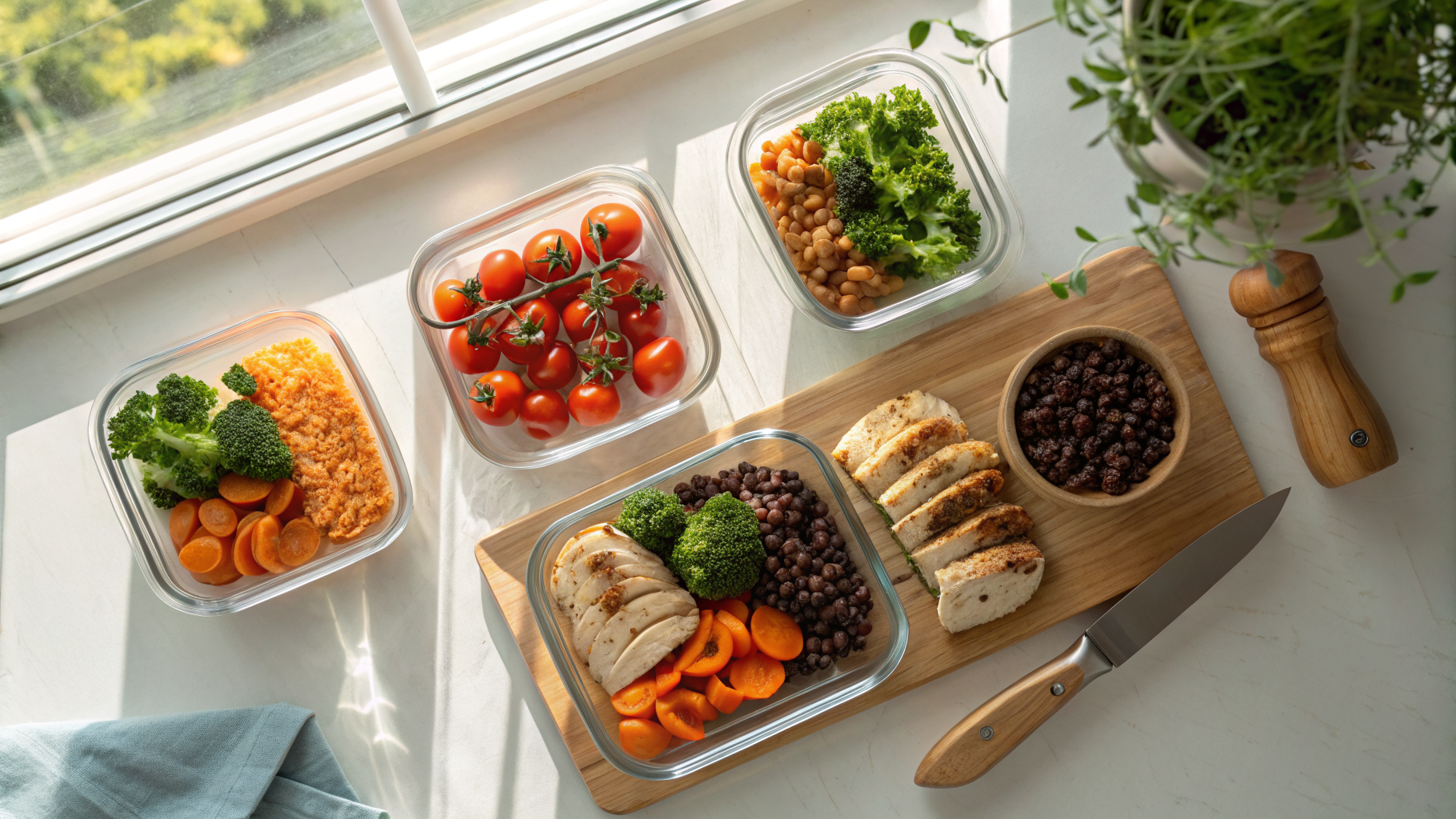
The Sunday evening light slants through the kitchen window as you pull a sheet pan of caramelized broccoli and sweet potatoes from the oven. The scent of cumin and smoked paprika mingles with the earthy aroma of simmering farro. In ninety minutes, you've laid the foundation for five days of dinners that require nothing more than a quick reheat and a moment of assembly. This is the quiet power of meal prep—not a chore, but an act of kindness to your future self. Done right, it transforms the frantic 6 p.m. scramble into a calm, deliberate ritual. You'll save money, reduce food waste, and reclaim the mental energy wasted on the daily question: "What's for dinner?" Here, we move beyond basic advice into a system that works for real life, integrating technique, flavor, and strategy into a weekly rhythm that feels sustainable, not overwhelming.
The Architecture of a Smart Prep Session
Effective meal prep begins with a blueprint, not a frantic dash through the grocery store. Start by choosing three core proteins—think boneless, skinless chicken thighs, a large flank steak, and a block of extra-firm tofu for variety. Cook each with a distinct flavor profile: a lemony herb marinade for the chicken, a soy-ginger glaze for the steak, and a cumin-lime rub for the tofu. Next, select two whole grains that hold well over several days, such as farro and quinoa. Cook them in separate batches; farro benefits from a longer simmer in salted water, while quinoa needs a precise 2:1 water-to-grain ratio and a ten-minute steam. For vegetables, aim for a mix of sturdy roots and quick-roasting options. Toss cubed sweet potatoes and Brussels sprouts in olive oil, salt, and pepper at 425°F for 25 minutes, and add a tray of asparagus or bell peppers for the last 12 minutes. This layered cooking approach maximizes oven efficiency and yields diverse textures. Once cooled, store each component in separate airtight containers to prevent sogginess—proteins in one, grains in another, and roasted vegetables in a third. This modular system gives you the freedom to mix and match throughout the week.
Mastering the Art of Batch Cooking Proteins
Proteins are the most time-intensive element to cook fresh each night, making them the crown jewel of any meal prep strategy. For chicken thighs, sear them skin-side down in a cast-iron skillet over medium-high heat for six minutes until deeply golden, then flip and finish in a 375°F oven for 20 minutes. The internal temperature should reach 165°F. For steak, consider a reverse-sear method: roast the whole flank steak at 275°F until it hits 125°F internally, then sear it in a blazing-hot pan for 90 seconds per side. This yields a perfectly medium-rare steak that reheats well without turning tough. Tofu demands a different touch: press it for 30 minutes to expel excess moisture, then slice into slabs and bake at 400°F for 25 minutes, flipping halfway. The result is a chewy, absorbent protein that takes on any sauce. For vegetarian options, hard-boiled eggs (cooked for exactly 11 minutes and shocked in an ice bath) and canned chickpeas (drained, tossed in olive oil and paprika, roasted at 400°F for 20 minutes) add quick variety. Always cool proteins completely before refrigerating—spreading them on a sheet pan in a single layer speeds this process, preventing condensation that can lead to spoilage.
Roasting Vegetables for Maximum Flavor and Longevity
The secret to vegetables that stay vibrant and delicious for days lies in technique, not just seasoning. Start by cutting all vegetables into uniform pieces—one-inch cubes for roots, two-inch florets for broccoli, and halves for Brussels sprouts. This ensures even cooking and consistent reheating. Toss them in a high-heat oil like avocado or grapeseed, which have smoke points above 480°F, and season generously with kosher salt, black pepper, and a pinch of red pepper flakes for heat. Spread them in a single, uncrowded layer on sheet pans—crowding causes steaming instead of roasting, leading to mushy results. Roast at 425°F for 20 to 30 minutes, flipping halfway, until edges are caramelized and interiors are tender. For tender vegetables like zucchini or cherry tomatoes, add them to the pan for the final 10 minutes. Once out of the oven, avoid covering them immediately; let them cool on the pan for 15 minutes to preserve their crisp edges. Store roasted vegetables in a container lined with a paper towel, which absorbs excess moisture and keeps them from turning soggy. They'll reheat beautifully in a dry skillet over medium heat for three minutes, restoring their original texture.
Building Your Weekly Meal Plan Without Decision Fatigue
The true gift of meal prep is the elimination of the daily dinner decision. With your prepped components ready, create a simple rotation that keeps each night interesting. Monday: assemble grain bowls with farro, chicken, roasted sweet potatoes, a handful of arugula, and a drizzle of tahini dressing. Tuesday: transform steak and roasted broccoli into a quick stir-fry with leftover quinoa, soy sauce, and sesame oil. Wednesday: use tofu and roasted Brussels sprouts in a warm salad with lemon vinaigrette and shaved Parmesan. Thursday: turn remaining chicken into tacos with corn tortillas, pickled onions, and avocado. Friday: combine all leftover grains, proteins, and vegetables into a fried rice-style hash with a fried egg on top. This approach leverages variety without extra cooking—each meal feels distinct while using the same core ingredients. For further inspiration, explore DishIndex's collection of meal prep recipes to find new combinations tailored to your pantry. By Saturday morning, you'll have used every last component, with zero waste and a week of satisfying, homemade dinners behind you. That's the rhythm of a well-prepped life.
Try these recipes on DishIndex
Explore Meal prep recipes recipes and more