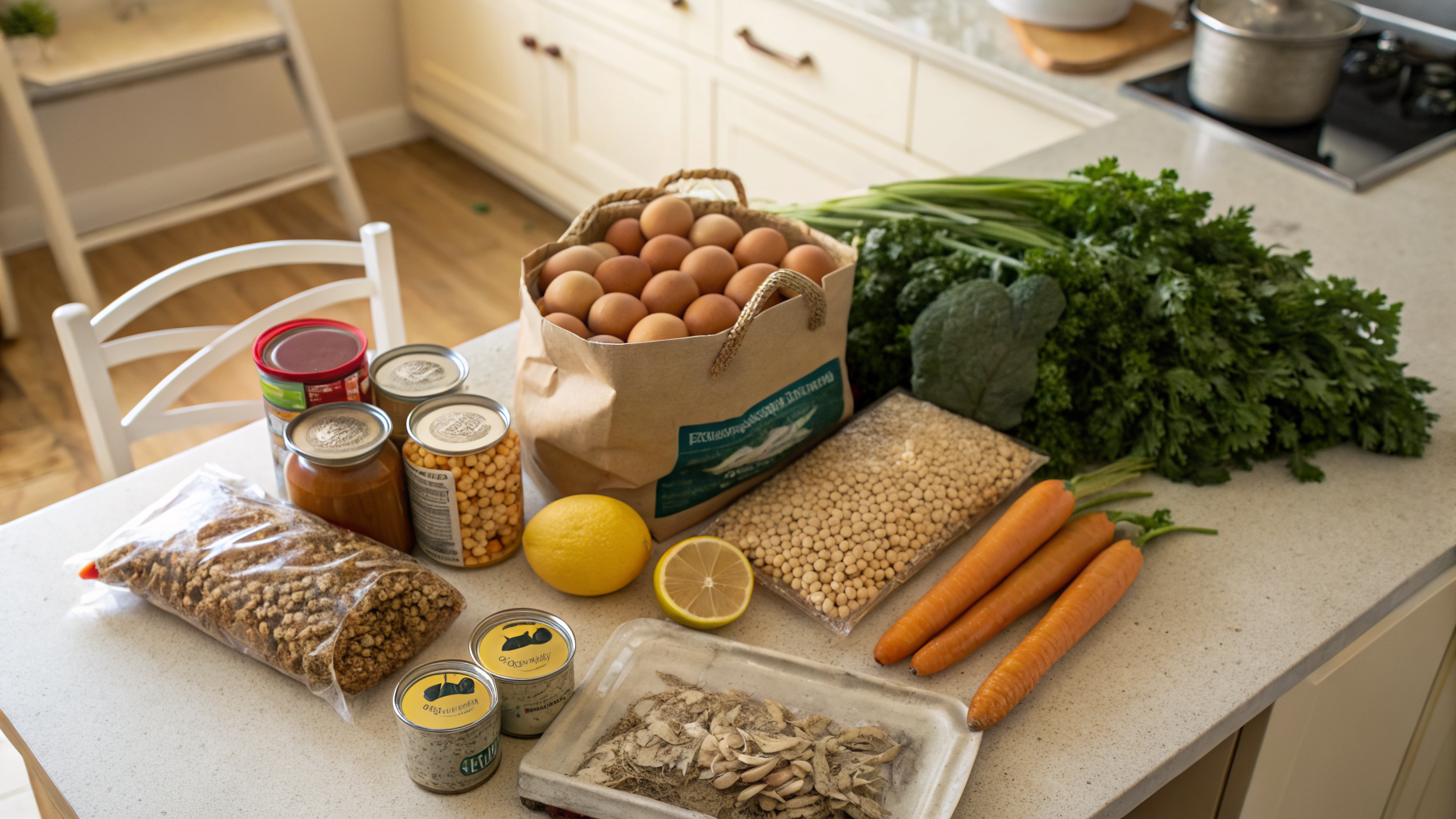
The pantry looks sparse, the fridge nearly empty, and payday is still days away. You have $50 to feed yourself for the entire week. It sounds impossible, but thousands of home cooks do it every month, turning austerity into art. Welcome to the world of budget meal planning, where creativity and strategy replace expensive ingredients and takeout. This isn't about deprivation—it's about efficiency, resourcefulness, and discovering that some of the most satisfying meals come from humble beginnings. In this article, you'll learn the core principles of eating well on $50 a week: mastering meal prep, batch cooking, smart storage, and how to build a weekly plan that keeps you full and happy without breaking the bank. By the end, you'll have a blueprint for budget-friendly eating that's sustainable, delicious, and surprisingly abundant.
The Power of Meal Prep: Your Sunday Superpower
Meal prep is the cornerstone of budget eating. By dedicating two to three hours on a Sunday, you can transform raw ingredients into ready-to-eat components that save time, money, and stress. A typical $50 weekly haul includes staple grains like rice, oats, and pasta; affordable proteins such as eggs, lentils, beans, and chicken thighs; and versatile vegetables like onions, carrots, cabbage, and potatoes. The key is to cook in bulk: a big pot of lentil soup, a tray of roasted vegetables, a batch of hard-boiled eggs, and a grain salad. Portion them into containers for grab-and-go lunches and speed up dinner assembly. Research shows that meal preppers waste 30% less food, directly extending your budget. Plus, having prepped ingredients means you're less tempted by pricey convenience foods or takeout when hunger strikes.
Batch Cooking: The Art of One-Pot Abundance
Batch cooking is meal prep's powerful sibling. Instead of prepping individual components, you cook entire dishes in large quantities and repurpose them throughout the week. For a $50 budget, focus on versatile, low-cost recipes like chili, curry, or stir-fry. For example, a big pot of black bean and sweet potato chili costs about $10 for eight servings. On day one, serve it with rice. Day two, use it as a filling for baked potatoes. Day three, spoon it over tortilla chips with cheese for nachos. This technique, called ingredient repetition, reduces mental load and prevents boredom. The key is to vary textures and accompaniments: a dollop of yogurt, a squeeze of lime, fresh cilantro, or a sprinkle of nuts can completely transform a dish. Studies show that batch cooking reduces weekly cooking time by up to 60%, freeing hours for other activities.
The Roots of Budget Cooking: A History of Resourcefulness
Budget meal planning isn't new; it's a tradition rooted in centuries of culinary resourcefulness. During the Great Depression, American families stretched ingredients like potatoes, beans, and flour into endless variations—think Hoover stews and wartime victory gardens. Similarly, in many cultures, thrift is a point of pride. Italian cucina povera (poor kitchen) transforms stale bread into panzanella, vegetable scraps into ribollita, and cheap cuts of meat into slow-cooked ragù. In India, dal—a simple lentil stew—provides protein and flavor with minimal cost, often using leftover vegetable peels to boost nutrition. These traditions prove that budget cooking isn't about sacrifice but about technique, patience, and respect for ingredients. They show us that a $50 weekly budget can be a launching pad for culinary creativity, not a limitation.
Pro Tip: Master the Freezer to Multiply Your Budget
The freezer is your most powerful budget tool, yet many home cooks underuse it. Here's a game-changing strategy: whenever you cook, double the recipe and freeze half. This works for soups, stews, sauces, cooked grains, and even raw marinated proteins. But for true efficiency, practice 'freezer meal prep' by assembling complete meals in freezer bags: think burrito fillings, stir-fry kits (veggies + sauce), or pre-portioned curry packs. Label each bag with the date and contents. On busy nights, simply thaw and cook—no thinking required. Importantly, learn what freezes well: dairy-based sauces may separate, but tomato-based ones are perfect. Also, invest in reusable silicone bags or containers to reduce waste. This technique effectively cuts your weekly food cost by 20% because you're buying in bulk and preserving leftovers that would otherwise spoil. Your $50 suddenly feels like $60.
Balanced Eating on a Budget: Nutritional Strategies That Work
Eating well on $50 a week doesn't mean sacrificing nutrition. In fact, budget cooking can be healthier than pricier alternatives. Focus on whole foods: lentils, beans, oats, eggs, seasonal vegetables, and whole grains. These are nutrient-dense and low in cost. A 2021 study from the Harvard School of Public Health found that a diet based on these staples provides more fiber, vitamins, and minerals than one centered on processed foods, even at the same budget. Plan your week to include a variety of colors and protein sources: one night beans, another eggs, another chicken. Use vegetables as the base of meals, not side dishes. For example, a cabbage stir-fry with tofu and rice costs under $2 per serving and delivers vitamin C, iron, and protein. The secret is to treat your budget as a constraint that forces you to cook from scratch, which naturally reduces sodium, sugar, and unhealthy fats.
Frequently Asked Questions
Q: How do I start meal prep if I have very little time? A: Start small: on Sunday, cook a big batch of rice and roast a tray of vegetables. That's enough for three quick lunches or dinner bases. Q: What if I don't like leftovers? A: Repurpose leftovers into new dishes: turn roasted veggies into a frittata, or blend leftover chili into a soup. The change in texture and flavor makes it feel fresh. Q: How can I stick to $50 without feeling restricted? A: Focus on versatile ingredients that can be used in multiple ways, like eggs, potatoes, and canned tomatoes. Build meals around sales and seasonal produce, and allow one 'splurge' item, like a spice blend, to keep cooking exciting.
Key Takeaways
Budget meal planning on $50 a week is achievable and rewarding. Start by dedicating a few hours to meal prep each week, cooking components like grains and roasted vegetables that can be mixed and matched. Embrace batch cooking of versatile dishes like chili or curry, and repurpose them in different ways to avoid boredom. Use your freezer strategically to extend the life of bulk-cooked meals and reduce waste. Prioritize whole foods like beans, lentils, eggs, and seasonal vegetables to maximize nutrition without cost. Finally, remember that budget cooking is a creative challenge, not a punishment. With these strategies, you'll not only save money but also develop skills that make you a more confident, resourceful cook. Your $50 becomes a ticket to delicious, healthy eating every single week.
Try these recipes on DishIndex
Explore budget meal plans recipes and more