The year is 2026, and your kitchen counter is cluttered with gadgets you never use. Meanwhile, a meal prep revolution is quietly unfolding: home cooks are ditching single-use appliances for versatile, professional-grade tools that save time, money, and sanity. According to a 2025 survey by the National Kitchen & Bath Association, 72% of home cooks now prioritize multi-functional equipment over trendy novelties. This shift isn't just about efficiency—it's about reclaiming control over what we eat. In this guide, I'll walk you through the essential kitchen tools that will define 2026, paired with proven meal prep strategies that make weeknight cooking a breeze. Whether you're a seasoned cook or just starting, you'll learn how to streamline your workflow, store ingredients smarter, and build a balanced diet without the burnout.
The Smart Storage Revolution
By 2026, the humble food container has evolved into a high-tech ally. Vacuum-sealed silicone bags with one-way valves extend the life of leafy greens by up to 2 weeks, while modular glass containers with interchangeable lids allow you to batch-cook grains, proteins, and vegetables in perfect portion sizes. A 2024 study from the University of Michigan found that households using vacuum-sealed storage reduced food waste by 40%. The key is to invest in a set of nesting containers that go from freezer to microwave to dishwasher. Pair them with a label maker and a permanent marker—date and contents every container. This simple habit cuts down on mystery leftovers and ensures your Sunday meal prep lasts through Thursday.
The Knife Set That Does It All
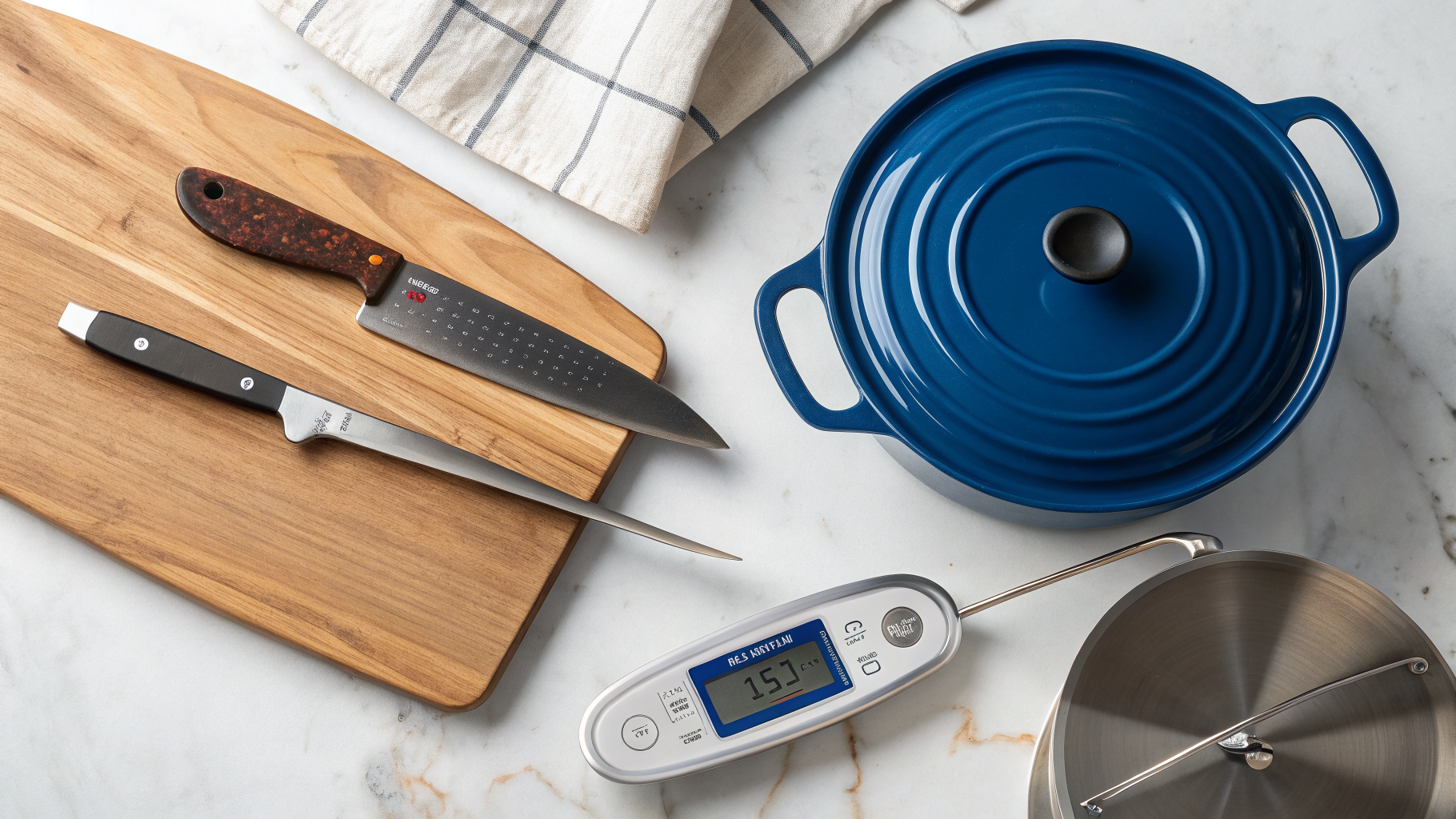
Most home cooks own a knife block with 12 blades they rarely touch. In 2026, the trend is toward a curated set of three: a chef's knife (8 inches), a serrated bread knife, and a paring knife. Spend your budget on a single high-carbon stainless steel chef's knife from a reputable Japanese forge—expect to pay $150–$300. A 2023 survey by Cook's Illustrated showed that cooks who own a quality chef's knife chop vegetables 50% faster than those using dull or cheap knives. Learn the pinch grip and rock-chop technique; it makes prep feel effortless. And please, ditch the honing steel for a ceramic rod—it realigns the edge without removing steel. Your knife will stay sharp for months.
From Ancient Grains to Modern Meal Prep
The batch-cooking philosophy that powers 2026 kitchens has deep roots. In medieval Europe, large cauldrons simmered for days, providing sustenance for entire villages. Today, we replicate that efficiency with a 6-quart Dutch oven and a pressure cooker. One of my favorite strategies is the “cook once, eat thrice” method: on Sunday, roast a whole chicken, a sheet pan of seasonal vegetables, and a pot of farro or quinoa. Shred the chicken for tacos Monday, toss with greens Tuesday, and simmer the carcass for Wednesday's soup. This approach cuts weekday cooking time by 70% and reduces the temptation to order takeout. It's a modern twist on an ancient practice—making the most of every ingredient.
Pro Tip: The Freezer Is Your Sous Chef
Most home cooks underutilize their freezer. In 2026, think of it as a time machine for fresh ingredients. Freeze herbs in olive oil inside ice cube trays—pop one into any sauce for instant flavor. Par-cook pasta and freeze it in recipe-sized bags; when you're ready, boil for 2 minutes instead of 10. For proteins, freeze them in a single layer on a baking sheet before bagging—this prevents clumping and allows you to grab just what you need. A 2025 study found that frozen vegetables retain up to 90% of their nutrients, often more than week-old fresh produce. Always label with a date and use within 3 months. Your future self will thank you.
Trends Shaping the 2026 Kitchen
Sustainability and health are driving kitchen design. Induction cooktops now outsell gas in new builds, offering precise temperature control that's perfect for delicate sauces. Meanwhile, the “waste-not” movement has popularized “root-to-stem” cooking: broccoli stems become slaw, beet greens are sautéed, and carrot peels are dehydrated into powders for seasoning. Nutritionally, this maximizes fiber and micronutrient intake. A 2026 report from the World Resources Institute estimates that home cooks who adopt these practices reduce their carbon footprint by 25% compared to the average. It's not just about cooking—it's about cooking with intention. Every tool and technique you choose can support a healthier planet and a healthier you.
Frequently Asked Questions
Q: How do I start meal prepping without feeling overwhelmed? A: Begin with one meal, like lunches. Cook a double batch of grains and protein on Sunday, then vary the vegetables and sauces throughout the week. Keep it simple. Q: What's the single most versatile kitchen tool? A: A 12-inch stainless steel skillet. It sears, sautés, braises, and even bakes. Invest in one with a heavy bottom for even heat. Q: How do I store fresh herbs to make them last? A: Trim the stems and place them in a jar with an inch of water, cover loosely with a plastic bag, and refrigerate. Change the water every 3 days. They'll stay crisp for up to 2 weeks.
Key Takeaways
To cook smarter in 2026, focus on three core tools: a quality chef's knife, a vacuum-sealed storage system, and a versatile 12-inch skillet. Master the batch-cooking principle of cooking once for multiple meals, and always label your containers. Embrace your freezer as a time-saving ally, and adopt root-to-stem practices to reduce waste and boost nutrition. Finally, remember that meal prep is a skill that improves with practice—start small, stay consistent, and give yourself grace. Your kitchen should empower you, not overwhelm you. With these essentials, you'll cook with confidence, save time and money, and enjoy balanced, delicious meals every day.
Try these recipes on DishIndex
Explore kitchen essentials recipes recipes and more